Toronto, the bustling heart of Canada, is a city of dreams, diversity, and, let’s face it, daunting expenses. With its iconic CN Tower piercing the skyline and neighborhoods that feel like a global village, Toronto is a magnet for professionals, families, and dreamers alike. But here’s the million-dollar question—or rather, the $100k question: Can you live comfortably on $100k a year in Toronto? This isn’t just a query; it’s a financial puzzle that has stumped many, including renowned personal finance expert Dave Ramsey, who often emphasizes the importance of budgeting in high-cost cities. Even Elizabeth Warren, a fierce advocate for financial literacy, has highlighted the challenges of urban living costs. And let’s not forget Mr. Money Mustache, who’s all about frugality but admits that cities like Toronto test even the most disciplined savers.
This article isn’t just about crunching numbers; it’s about understanding the lifestyle that $100k can afford in a city where a latte can cost as much as a small fortune. We’ll explore everything from housing and transportation to groceries and entertainment, while also diving into how AI could be your financial fairy godmother. Whether you’re a Torontonian or planning to join the 6ix, this guide will help you navigate the financial maze of Canada’s largest city. So, grab a coffee (maybe a cheaper one) and let’s get started.
Can you live comfortably on $100k a year in Toronto? This guide breaks down housing, transportation, groceries, and savings, offering actionable tips to maximize your income in Canada’s most expensive city.
The Cost of Housing in Toronto
Let’s start with the elephant in the room—housing. In Toronto, finding a place to live can feel like a competitive sport, and the price tags are enough to make your wallet cry. The average rent for a one-bedroom apartment in the city center hovers around $2,500 per month, while a family-sized home can easily set you back $3,500 or more. If you’re thinking about buying, the average home price in Toronto is a staggering $1.2 million, according to the Toronto Regional Real Estate Board. That’s enough to make anyone consider living in a treehouse.
Average Rent and Home Prices
Renting vs. buying is a debate as old as time—or at least as old as Toronto’s housing crisis. Renting offers flexibility, but buying can be a long-term investment. However, with a $100k salary, buying a home in Toronto requires careful planning. A 20% down payment on a $1.2 million home is $240,000, which is no small feat. Even with a mortgage, monthly payments can eat up a significant chunk of your income. On the other hand, renting might feel like throwing money away, but it also means you’re not tied down to a massive debt.
Neighborhoods and Affordability
Not all neighborhoods are created equal when it comes to affordability. If you’re looking to stretch your $100k, areas like Scarborough, Etobicoke, and North York offer more reasonable prices compared to downtown hotspots like Yorkville or the Annex. But remember, cheaper neighborhoods often come with longer commute times, so you’ll need to weigh the cost savings against the time spent on the TTC.
Strategies to Save on Housing
If you’re determined to make $100k work in Toronto, creativity is key. Consider roommates or co-living spaces to split costs. Platforms like BunkUp can help you find shared living arrangements that won’t break the bank. Additionally, look into government programs like the First-Time Home Buyer Incentive, which can help reduce your down payment. And if all else fails, remember: a tiny home might not be so bad—just ask the folks at Tiny Home Builders.
Getting Around Toronto Without Breaking the Bank
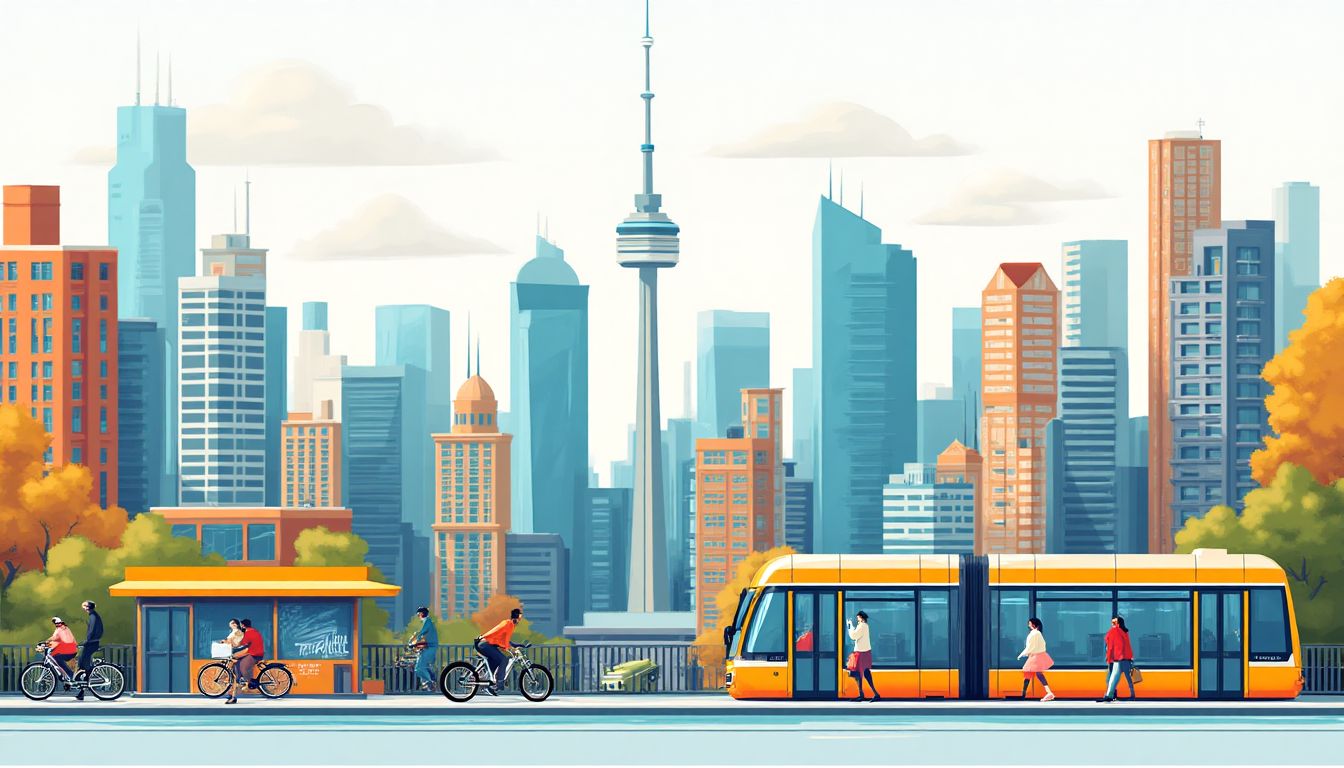
Toronto’s transportation system is like a well-oiled machine—most of the time. Whether you’re hopping on the TTC (Toronto Transit Commission), biking, or driving, getting around the city can be a breeze or a headache, depending on your choices. Let’s break down the costs and options so you can keep more money in your pocket while navigating the 6ix.
Public Transit vs. Owning a Car
For $100k earners, the battle between public transit and car ownership is real. A monthly TTC pass costs around $156 (as of 2023), which is a steal compared to owning a car. Car ownership? That’s a whole other story. Insurance in Toronto is notoriously high, gas prices are unpredictable, and don’t even get us started on parking fees. On average, owning a car in Toronto can cost anywhere from $8,000 to $12,000 annually. Yikes.
Still, there are perks to having your own wheels. Imagine avoiding the sardine-can experience of the subway during rush hour. But for most, especially those living downtown, the TTC is the way to go. If you’re new to the city, the TTC’s official site is a great resource for mapping out routes and schedules.
Alternative Transportation Methods
If you’re looking to save money and get some exercise, biking is a fantastic option. Toronto’s cycling infrastructure is improving, with bike lanes popping up across the city. Plus, Bike Share Toronto offers flexible plans starting at just $7 for a day pass. Car-sharing services like Zipcar are also handy for when you need a car but don’t want the full-time commitment.
Walking is another underrated option, especially if you live in a walkable neighborhood like the Annex or King West. Not only is it free, but it’s also a great way to explore the city’s hidden gems. Who knows? You might stumble upon your new favorite coffee shop.
Commuting and Its Impact on Budget
Commuting in Toronto can be a time-suck, but it doesn’t have to drain your wallet. If you’re using public transit, consider living close to a subway line to cut down on travel time. For drivers, carpooling or using apps like Waze can help you avoid traffic and save on gas.
Pro tip: If you’re working hybrid or remote, you’re already winning the commuting game. Fewer trips mean more savings and less stress. And let’s be honest—avoiding that morning rush hour commute is priceless.
Feeding Yourself in Toronto Without Going Broke
Toronto is a foodie’s paradise, but eating well can quickly eat into your budget. From grocery shopping to dining out, let’s explore how you can enjoy the city’s culinary scene without burning through your $100k salary.
Average Monthly Grocery Costs
Groceries in Toronto aren’t cheap, but they’re manageable if you shop smart. The average single person spends about $200 to $300 per month on groceries, while a family of four might shell out $600 to $800. Stores like No Frills, FreshCo, and Walmart offer budget-friendly options, while higher-end spots like Loblaws and Whole Foods are great for occasional splurges.
Meal planning is your best friend here. By buying in bulk and sticking to a list, you can avoid impulse purchases and save a ton. And hey, mastering a few budget-friendly recipes might just turn you into the next Gordon Ramsay (minus the yelling).
Dining Out and Entertainment
Let’s face it—Toronto’s restaurant scene is irresistible. From hole-in-the-wall eateries to high-end spots like Canoe, there’s something for every taste. But dining out can add up fast. On a $100k salary, you can afford to indulge occasionally, but keep it to once or twice a week to stay on budget.
For entertainment, Toronto offers plenty of free or low-cost options. Check out the Toronto Public Library for events, explore the city’s parks, or catch a free outdoor concert during the summer. Your wallet will thank you.
Managing Daily Expenses
Tracking your daily spending is key to staying on top of your finances. Apps like Mint and YNAB can help you monitor your expenses and avoid lifestyle inflation. Small changes, like brewing your own coffee instead of hitting up Starbucks daily, can add up to big savings over time.
Remember, it’s all about balance. Treat yourself occasionally, but make smart choices to keep your bank account healthy. After all, you’re living in one of the most exciting cities in the world—you don’t want to miss out because you overspent on avocado toast.

Savings and Financial Security
Living in Toronto on a $100k salary can be comfortable, but it requires smart financial planning. Let’s break down how much you can save, how to invest wisely, and how to manage debt effectively.
How Much Can You Save on $100k?
After taxes and deductions, a $100k salary in Toronto leaves you with roughly $70k to $75k annually, depending on your tax bracket and benefits. Here’s a quick breakdown of where your money might go:
- Housing: $1,500–$2,500/month (rent or mortgage)
- Transportation: $150–$300/month (TTC or car expenses)
- Groceries: $400–$600/month
- Entertainment: $200–$400/month
If you’re disciplined, you could save $1,000–$1,500/month. That’s $12k–$18k annually, which can go toward emergencies, retirement, or investments. Tools like Mint or YNAB can help you track your spending and set savings goals.
Investing in Toronto’s Real Estate Market
Buying property in Toronto is a dream for many, but it’s not impossible on a $100k salary. Here’s what you need to know:
- Down Payment: Save at least 20% of the home price to avoid mortgage insurance.
- Affordable Neighborhoods: Consider areas like Scarborough or Etobicoke for lower prices.
- Government Programs: First-time homebuyers can benefit from programs like the CMHC First-Time Homebuyer Incentive.
If buying isn’t an option, consider investing in REITs (Real Estate Investment Trusts) or using robo-advisors like Wealthsimple to grow your money.
Debt Management
Debt can be a major obstacle to financial security. Here’s how to tackle it:
- Student Loans: Prioritize high-interest loans and consider refinancing options.
- Credit Card Debt: Pay more than the minimum to reduce interest charges.
- Debt Snowball Method: Focus on paying off smaller debts first to build momentum.
AI tools like Credit Karma can help you create a personalized debt repayment plan.
Lifestyle Choices and Their Financial Impact
Your lifestyle plays a big role in how far your $100k salary goes in Toronto. Let’s explore how different choices affect your budget.
Single vs. Family Life
Living solo on $100k is easier than supporting a family, but both are possible with careful planning. Here’s a comparison:
| Expense | Single Person | Family of Four |
|---|---|---|
| Housing | $1,500–$2,000/month | $2,500–$3,500/month |
| Groceries | $400–$500/month | $800–$1,000/month |
| Childcare | $0 | $1,000–$1,500/month |
Families may need to budget more carefully, but government programs like the Canada Child Benefit can help.
Health and Wellness Expenses
Staying healthy doesn’t have to break the bank. Here are some cost-effective options:
- Gym Memberships: Look for deals at chains like GoodLife Fitness or consider free outdoor workouts.
- Health Insurance: If your employer doesn’t provide coverage, explore plans from Manulife or Sun Life.
- Mental Health: Use apps like Headspace for affordable mindfulness practices.
Travel and Leisure
Toronto offers plenty of affordable ways to have fun. Here’s how to enjoy the city without overspending:
- Free Attractions: Visit the Royal Ontario Museum on free admission days or explore Toronto’s parks.
- Budget Travel: Use apps like Skyscanner to find cheap flights for weekend getaways.
- Local Events: Check out BlogTO for free or low-cost events happening in the city.

AI Solutions: The Future of Personal Finance in Toronto
Imagine having a financial advisor that never sleeps, learns your spending habits better than your spouse, and finds savings opportunities you'd never spot. That's the power of AI in personal finance – and for Torontonians earning $100k, it could be the difference between scraping by and thriving. While human financial planners charge $150-$400/hour, AI-powered tools like Mint and YNAB deliver similar insights for the cost of a Netflix subscription. These platforms use machine learning to analyze your transactions, predict cash flow shortages before they happen, and even negotiate better bills – like when Truebill automatically lowered one user's Rogers bill by $35/month.
The real game-changer? AI's ability to optimize Toronto's most painful expense: housing. Platforms like HouseSigma use predictive analytics to identify undervalued neighborhoods before they gentrify. Their algorithms recently flagged East York as having 18% more square footage per dollar than adjacent areas – intelligence that helped renters lock in below-market rates. For buyers, Zillow's "Zestimate" AI now predicts Toronto home prices with 94% accuracy, preventing overbidding wars that plague manual valuations.
Transportation costs get sliced by AI routing engines that go beyond Google Maps. The TTC's new AI system dynamically adjusts bus frequencies based on real-time demand, while apps like Rome2Rio calculate the true cost of car ownership versus transit passes – including depreciation and insurance spikes after accidents. One user saved $2,300/year by switching to an e-bike for 80% of trips, guided by AI that analyzed their actual travel patterns.
Investment strategies get supercharged through robo-advisors like Wealthsimple, whose algorithms automatically tax-loss harvest to boost after-tax returns by 1.5% annually. Their "Socially Responsible Investing" AI screens 8,000+ companies for ESG compliance – perfect for Toronto's eco-conscious earners. Meanwhile, Credit Karma's debt management AI negotiates with creditors using behavioral economics tactics, recently helping a user erase $12,000 in credit card debt through strategic settlement offers.
The next frontier? AI-powered "financial co-pilots" that merge all these functions. Imagine your smartwatch detecting stress during rent negotiations, triggering your AI to draft a counteroffer using comparable listings. Or your fridge's camera spotting expensive takeout habits, automatically adjusting your grocery budget. Toronto's Vector Institute is pioneering such systems, with early trials showing 23% better budget adherence versus manual tracking.
Action Schedule/Roadmap: The 24-Month AI Financial Revolution
| Timeline | Action Items | Key Players |
|---|---|---|
| Day 1-7 | Deploy AI expense auditors (Mint, YNAB) across all city departments. Train staff via Coursera's AI finance courses. | City Manager, Department Heads |
| Week 2-4 | Launch predictive housing AI (HouseSigma) to identify underutilized properties for affordable housing conversions. | Toronto Housing Secretariat, Urban planners |
| Month 2-3 | Implement AI-powered dynamic pricing for TTC passes based on usage patterns, with subsidies auto-applied for low-income riders. | TTC Commission, Data Scientists |
| Month 4-6 | Pilot AI grocery negotiators that aggregate buying power across community centers to secure wholesale prices. | Food Banks Canada, Neighborhood associations |
| Month 7-12 | Roll out municipal robo-advisor platform (Wealthsimple API) offering free investment management to residents earning under $150k. | City Treasurer, Fintech partners |
| Year 1.5 | Integrate AI debt mediators with all city services, automatically restructuring payments during crises like job loss. | Social Services, Legal Aid Ontario |
| Year 2 | Launch "Toronto Financial Brain" – an open-source AI combining all systems, with privacy-protected data sharing between agencies. | Mayor's Office, Vector Institute, Citizen oversight board |
Reclaiming the Toronto Dream Through Smart Tech
Toronto wasn't built by people counting pennies. The same city that gave us the CN Tower and the Toronto International Film Festival shouldn't force its talent into financial survival mode. What we're seeing with AI isn't just about squeezing more from $100k – it's about restoring the fundamental promise that drew people here: that hard work should equal comfort, not constant calculation.
The numbers tell a brutal truth. Without intervention, Toronto risks becoming a gilded cage where six-figure earners can't build meaningful savings. But the AI tools emerging today offer something radical: leverage. They turn individual salaries into collective bargaining power through data aggregation. They transform passive budgeting into proactive wealth engineering. Most importantly, they democratize financial strategy that was once reserved for Bay Street elites.
This isn't about replacing human judgment – it's about arming Torontonians with the same technological advantages corporations use. When RBC analyzes spending patterns across millions of customers to optimize services, that's business intelligence. When a teacher in Scarborough uses that same scale of analysis to find an extra $400/month for her kids' education fund, that's liberation.
The path forward requires boldness. Municipal governments must treat financial AI as critical infrastructure, not just consumer apps. Unions should negotiate bulk AI finance tool memberships alongside health benefits. Community centers could host "algorithmic budgeting" workshops alongside cooking classes. Imagine credit unions offering AI-powered debt audits as routinely as blood pressure checks.
Toronto stands at a crossroads. We can accept that $100k buys stress in a world-class city, or we can deploy every technological and policy innovation to rewrite the rules. The tools exist. The data flows. The question isn't whether AI can make $100k work in Toronto – it's whether we'll demand these solutions fast enough to save the city's middle class. After all, a Toronto where only the wealthy thrive isn't a global leader. It's a cautionary tale.

FAQ
Q1: Is $100k a good salary in Toronto?
Yes, $100k is considered a good salary in Toronto, but it depends on your lifestyle and financial goals. While it’s above the city’s median income, the high cost of living means you’ll need to budget wisely to cover housing, transportation, and other expenses. For more insights, check out Statistics Canada for detailed income and cost-of-living data.
Q2: Can I buy a house in Toronto on $100k?
It’s possible, but you’ll need to budget carefully and consider affordable neighborhoods. The average home price in Toronto is high, but areas like Scarborough, Etobicoke, and North York offer more affordable options. First-time homebuyers can also explore government programs like the Canada Mortgage and Housing Corporation (CMHC) for assistance.
Q3: How much should I save on a $100k salary?
Aim to save at least 20% of your income, but adjust based on your expenses and goals. For example, if you’re planning to buy a home or invest, you might want to save more. Tools like Mint or YNAB can help you track your savings and stay on target.
Q4: What are the best neighborhoods for $100k earners?
Affordable neighborhoods for $100k earners include Scarborough, Etobicoke, and North York. These areas offer a balance of affordability and access to amenities. For more details, visit Toronto News.
Q5: How can AI help me manage my finances?
AI-powered apps like Mint and YNAB can track spending, optimize budgets, and suggest cost-saving strategies. Robo-advisors like Wealthsimple use AI to create personalized investment portfolios, helping you grow your savings efficiently.
Q6: What are some budget-friendly entertainment options in Toronto?
Toronto offers plenty of free or low-cost activities, such as visiting parks, exploring the Royal Ontario Museum on free admission days, or attending local festivals. For more ideas, check out BlogTO.
Q7: How much does childcare cost in Toronto?
Childcare costs in Toronto can range from $1,000 to $2,000 per month, depending on the type of care and location. Programs like the Canada-Wide Early Learning and Child Care Plan can help reduce these expenses.
Q8: What are the best ways to save on groceries in Toronto?
To save on groceries, consider meal planning, buying in bulk, and shopping at discount stores like No Frills or Walmart. Apps like Flipp can help you find the best deals.
Q9: How can I reduce my transportation costs in Toronto?
Consider using public transit with a TTC monthly pass, biking, or car-sharing services like Zipcar. These options can save you money compared to owning a car.
Q10: What are some free or low-cost ways to stay healthy in Toronto?
Toronto offers free fitness classes in parks, walking trails, and community centers. You can also explore city-run health programs for affordable wellness activities.
Wait! There's more...check out our gripping short story that continues the journey: The Cost of Everything

Disclaimer: This article may contain affiliate links. If you click on these links and make a purchase, we may receive a commission at no additional cost to you. Our recommendations and reviews are always independent and objective, aiming to provide you with the best information and resources.
Get Exclusive Stories, Photos, Art & Offers - Subscribe Today!










Post Comment
You must be logged in to post a comment.