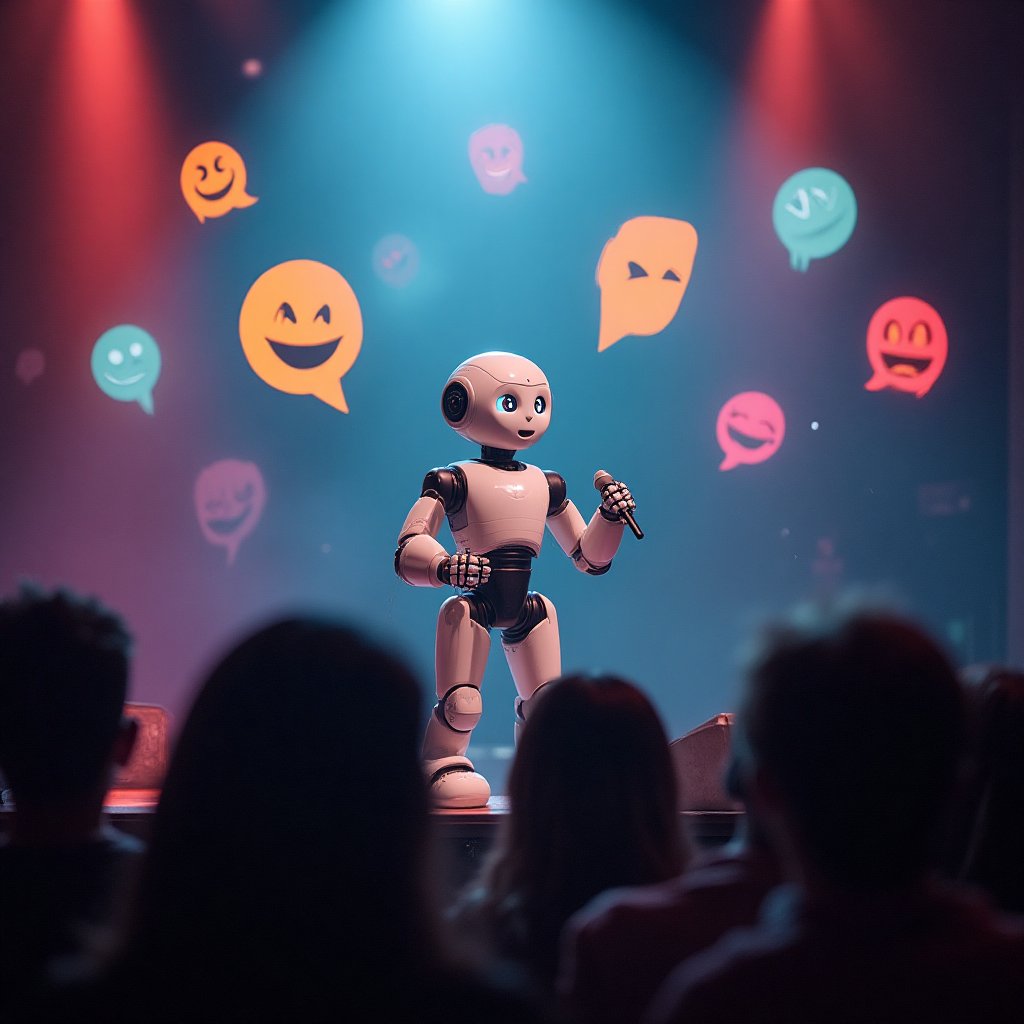
Introduction: The Great Comic Challenge
To the man who only has a hammer, everything he encounters begins to look like a nail. – Abraham Maslow. This quote draws a parallel to our exploration into the world of humor. Just as tools shape our interactions with the world, AI's configuration influences how it might approach humor. But can an artificial mind, trained to solve, compute, and analyze, truly understand the wild, whimsical world of comedy?
As humor balances wit with absurdity, there's curiosity whether AI can ever tickle our funny bones. We are at the dawn of a revolution where AI systems created by OpenAI and others like Google's AI and X's subsystems, are on the verge of becoming more sophisticated than ever. These systems already handle a range of tasks, but could they wear a comedian's hat, making us laugh on a gloomy day?
In unraveling AI's potential in mastering humor, we ponder whether a machine, with its binary heart, can truly dance to the beats of human comedy. The delightful world of the comic has nuances built over centuries. As machines offer us solutions in everyday life, they might one day crack an unexpected joke.
Socrates, Plato, or even Mark Twain have all mingled in the discourse of humor. Bent on this inquiry, join us as we explore: could tomorrow's AI be tomorrow's George Carlin?
Artificial Intelligence (AI) strives to replicate human understanding to perform tasks. Whilst comedy involves cultural, social, and emotional nuances, understanding and crafting humor could test AI's cognitive grasp and innovative capacity.
The Nature of Humor: What Makes Us Laugh?
To understand humor, we must dive into the hidden vaults of psychology, sociology, and even linguistics. But how has humor evolved through time? Imagine the timeless humor styles passed down from Aristotle's witty observations in his Poetics to the modern wrist-snapping sayings of Ricky Gervais. What does this rich tapestry tell us? Let's pull the threads.
Understanding humor is like solving a riddle. The Incongruity Theory suggests humor comes when things don't match up as expected – think of a penguin wearing a cowboy hat. Meanwhile, the Superiority Theory states we laugh because we feel better than the punchline's subject; picture the hapless villain tripping comically in a cartoon. There is also the Relief Theory, where humor eases tension or makes unpleasant situations bearable, like a wisecrack in a dreary meeting.
As we understand these theories, it's evident humor is far from one-size-fits-all. Different cultures add layers to this mix. In Japan, wordplay reigns supreme, while British humor might focus on dry, ironic takes. Knowing the 'what' and 'how' of cross-cultural humor could give AI a much-needed edge.
In exploring humor's historic and interpretive layers, figures like Sigmund Freud and George Bernard Shaw dissected its mechanisms. They expounded on humor’s social significance – influencing everything from politics to pop culture.
Can machines grasp these subtle yet profound elements? To the untrained circuits of our binary friends, this may seem like cracking a tough nut. AI’s aim here would be to learn what even some humans find elusive: blending intellect with emotion, spark with nuance, a giggle with a thoughtful pause.
Machine Learning and Humor Generation
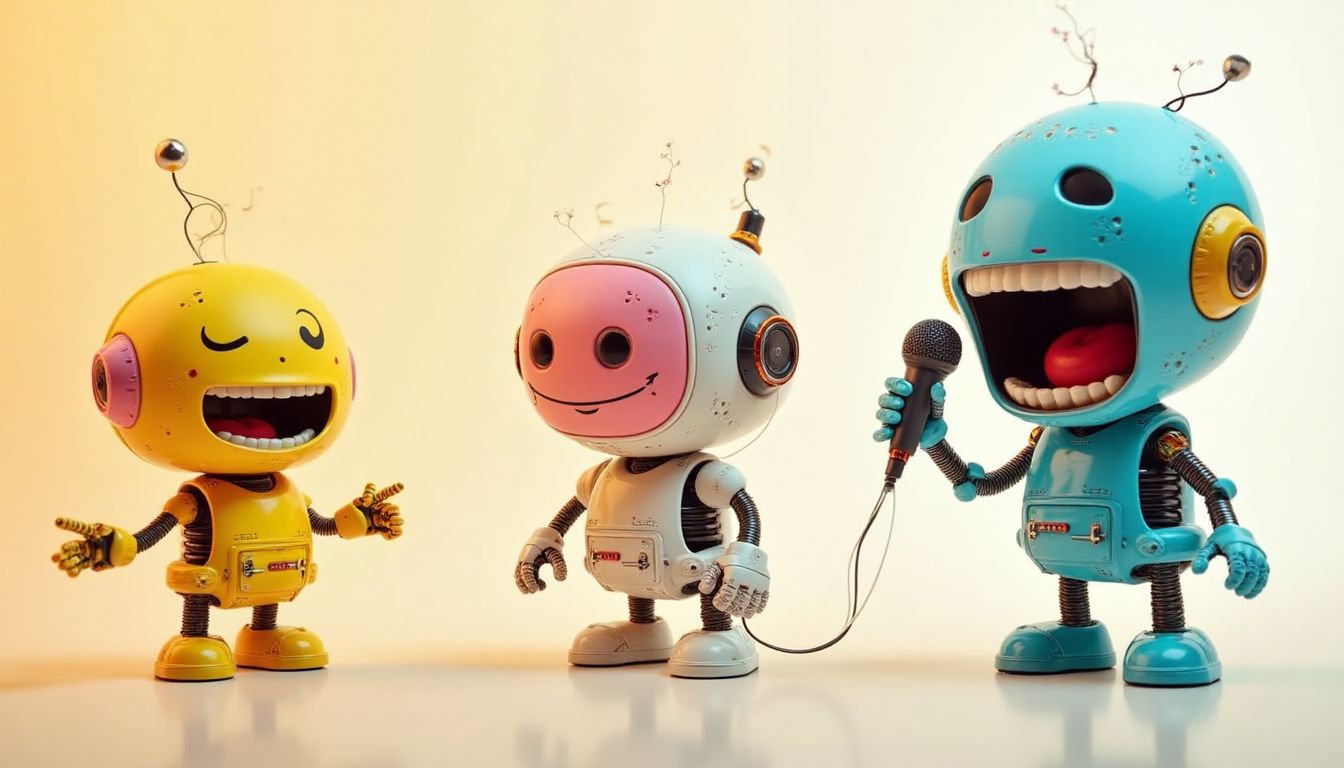
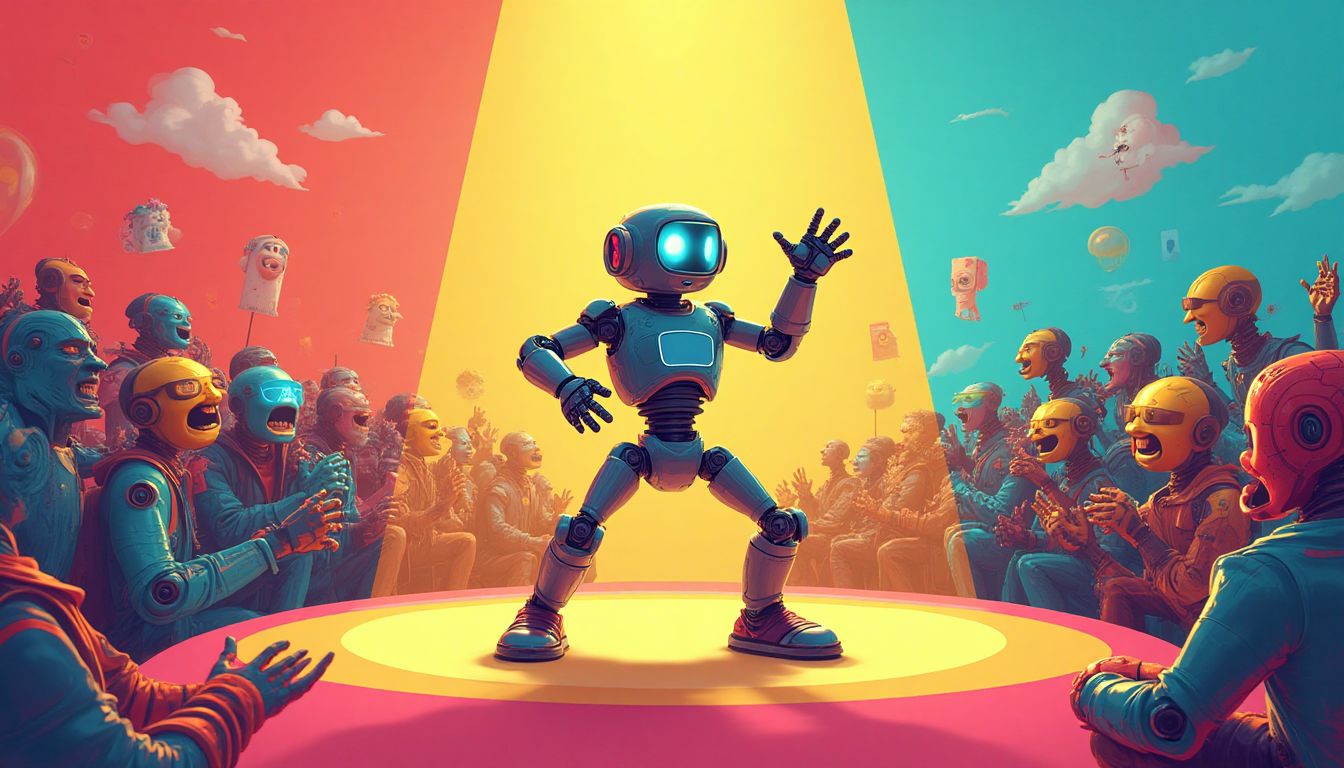
Before we jump headfirst into the belly of this AI stand-up club, let's imagine for a moment. Picture a world where a robot, with gleaming metallic arms and wires poetically poking through, tries to explain a joke at a family dinner. An awkward silence follows. The reality is, teaching a machine to tickle our funny bones is no small feat. With machine learning and algorithms, the way AI approaches humor is a curious puzzle.
Natural Language Processing (NLP) in Joke Creation
Imagine playing with LEGOs; each piece fits into another until a masterpiece takes shape. But unlike a LEGO spaceship, crafting a joke isn't that straightforward for AI. Natural Language Processing (NLP) systems, akin to linguistic architects, attempt to piece together words and contexts in ways that spark laughter, much like a good punchline.
Joke creation is a high-wire act; a blend of linguistics, wit, and timing. By leveraging NLP, AI tries to comprehend why “chicken crossing the road” doesn't mean a feathered friend disrupting traffic. And while there's no magic formula, using syntax and semantics, AI deciphers which words might elicit a chuckle. Conversations, memes, and tweets become a sea of inspiration in determining which combinations generate humor.
Case Studies of AI Comedy Projects
Is it possible that an AI somewhere, sipping down packets of data, could become the next Seinfeld? It is worth considering some trailblazing ventures. For instance, Jokes.com dabbled in AI-generated giggles by inputting years of comedic material into machines to see what sticks.
Similarly, over at Google's AI laboratories, robots are being taught banter, inching ever so closely to becoming conversationalists at the dinner table. These projects are pushing boundaries and overturning the cliched image of stony-faced machines. With a library of digital wit, they challenge the notion that humor is the last human bastion, raising eyebrows and generating curiosity.
The Role of Context and Culture in Humor
Ah, culture—the spice of life! If only humor were like a universally loved dish, but alas, what's amusing in one corner of the globe may be as flat as day-old soda in another. This cultural quirks throw a wrench into the gears of our resident AI funny-man.
Cross-Cultural Humor Challenges
Think of humor as a chatty world traveler. It gallivants through countless destinations, adopting various customs and languages. Telling a joke in Kyoto might land differently than in Paris, where the subtleties of humor veer sharply. Cultural context paints comedy in distinct hues, demanding subtlety and awareness that challenge AI systems.
Consider British wit—often reserved, ironic, and dry like a perfectly steeped cuppa. Meanwhile, American humor may embrace larger-than-life slapstick or punchy one-liners. To truly succeed, AI must wear many hats—adjusting punchlines between stiff upper lips and larger-than-life antics.
Contextual Awareness and Timing
Timing is everything, and in comedy, it’s the cherry on top. Timing is that friend who always knows when to chime in right with the bon mot. This nuanced dance of context and timing is a tender art, one that AI aims to master. A joke, like a soufflé, can fall flat without the right timing. Timing decides if the punchline garners roars of laughter or blank stares.
Consider the delicate intricacies that govern humor. Comedic timing is an acrobat's leap—perilous if missed but glorious when achieved. AI now stands at this crossroad, leveraging algorithms to decipher circumstances and adjust timing. By understanding patterns and audience response, AI aims to tell, not just a joke, but the right one, at the right moment, blending technical mastery with intuitive flair.
The Human Element: Emotion and Understanding in Humor
Humor is not just about making people laugh; it's about connection, empathy, and shared experiences. Humans have a unique ability to convey and interpret complex emotional cues, and this is where humor finds its essence. But can Artificial Intelligence ever replicate this human touch?
Empathy and Relatability in Humor
One of the fundamental aspects of humor is empathy. To make someone laugh, a comedian must tap into the audience's feelings, understanding their struggles, joys, and every nuance in between. Comedians like Eddie Murphy and Amy Schumer use sharp wit to touch upon relatable themes, from mundane everyday experiences to societal issues.
The ability to relate is intrinsic to feeling connected to the joke, and AI faces a significant challenge here. Without genuine experiences, AI lacks the true ability to empathize. It needs to rely on data, patterns, and simulations to mimic humor, often achieving mixed results.
Can AI Develop Emotional Intelligence?
Emotional intelligence involves more than recognizing facial expressions or analyzing text sentiment. It encompasses the ability to understand complex emotions and respond appropriately. While AI technologies like Affectiva are making strides in emotional AI, they are still struggling with recognizing sarcasm, irony, and subtle humor which require deep contextual understanding.
Current AI is learning, but with limitations. Machines can learn patterns from big data, but interpreting emotions beyond surface-level indicators remains a complex hurdle. However, by leveraging cutting-edge machine learning frameworks and building expansive databases of human emotion, AI can incrementally refine its responses.
Ethical Implications of AI in Comedy
With AI charting new territories in comedy, ethical considerations deserve careful thought. The intersection of technology and humor introduces dynamics that challenge societal norms and traditions.
The Impact on Human Comedians
The rise of AI in the comedy scene raises questions about job displacement and industry transformation. Could AI replace human comedians? While AI may serve as a collaborative tool, offering new formats and styles, the irreplaceable depths of human experience and perspective ensure that comedians will remain vital.
Nevertheless, the pressures from potential comedic automation can lead to exciting collaborations, where humans and AI co-create, redefining how comedy is produced and consumed. Bringing in AI could foster creativity, but the human element will always drive authentic humor.
Offensive Humor and AI Biases
AI systems reflect the data they are trained on, which means they may unknowingly reinforce biases present in their training datasets. This can lead to inappropriate or offensive outputs, which can cause social backlash and reinforce divisive stereotypes.
Consider when Microsoft's chatbot Tay became infamous for generating controversial statements. This highlights the risks of not actively managing AI biases. To counteract this, developers emphasize creating inclusive datasets and implementing sensitivity checks within AI comedy generation systems.
As AI continues to evolve in the world of comedy, it should do so with a mindful approach to inclusivity, diversity, and respect for cultural sensitivities, ensuring humor does not cross ethical boundaries.
AI Solutions: Crafting a Roadmap for Machine Humor Development
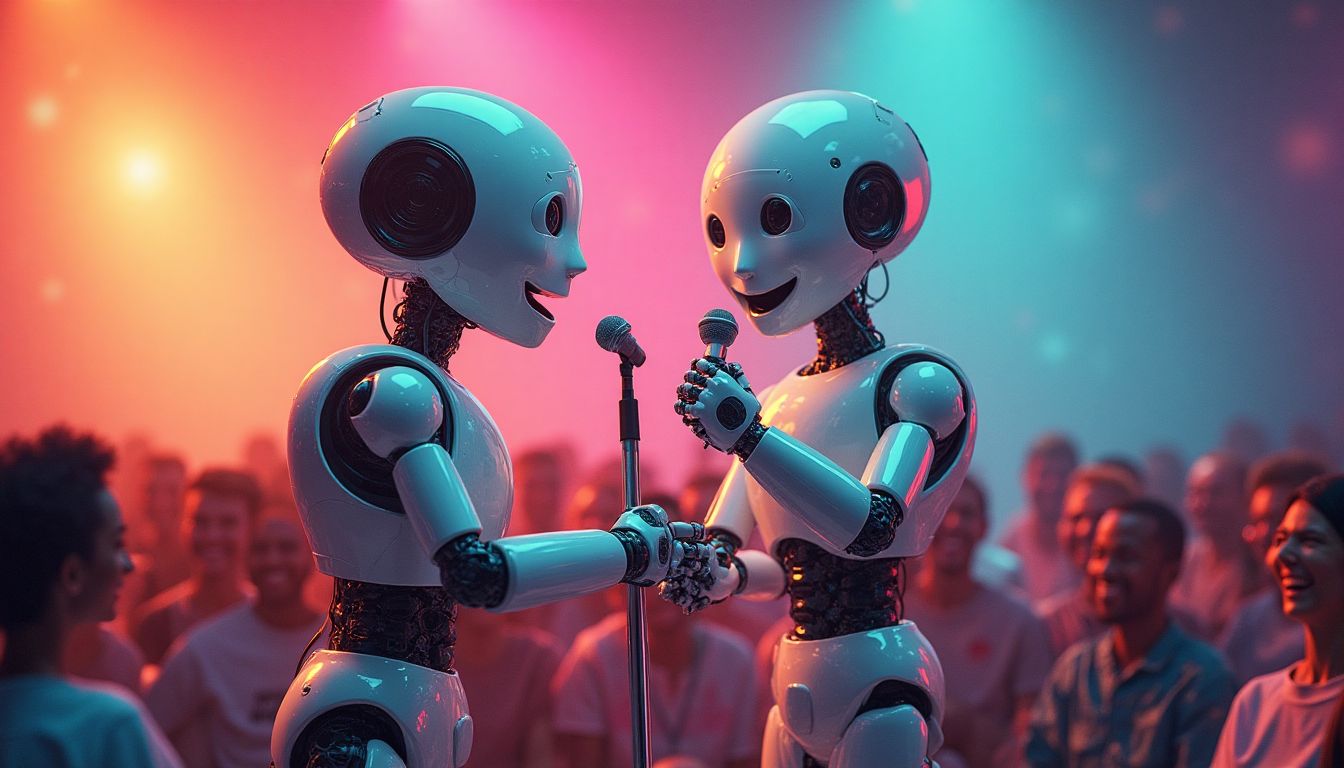
To tackle the question of AI's potential in developing humor, we can outline a comprehensive framework based on current AI technologies and insights into the nature of comedy. By leveraging advancements in Natural Language Processing, emotional AI, and collaborative platforms, we can create a viable pathway for machines to understand and generate humor.
Here's a detailed roadmap that any institution, organization, or government could engage with to push the boundaries of machine comedy:
Day 1: Project Launch
Initiate the project with a kickoff meeting. Assemble a diverse team of computer scientists, linguists, comedians, and cultural experts. Clearly define the goals of the project, focusing on humor creation and understanding cultural contexts. Establish a project manager to oversee timelines and stakeholder engagement.
Day 2: Skill Assessment
Conduct an assessment of the team's skills in AI, humor analysis, and cultural nuances. Identify individuals with expertise in machine learning, emotional AI, and linguistics. This will help in allocating roles effectively.
Day 3: Literature Review
Gather existing research on AI and humor. This would include studies on Natural Language Processing, cultural humor frameworks, and empathy in AI. Collaborate with universities such as Stanford University and MIT to access relevant academic papers and resources.
Week 1: Define Project Scope
Establish a project scope that outlines key deliverables, timelines, and required resources. Set measurable milestones that track progress, such as the completion of initial machine learning models or the development of cultural humor datasets. Involve stakeholders and experts throughout this phase.
Week 2: Data Collection Kickoff
Start gathering humorous content from diverse cultures. This includes books, films, comedic performances, and social media content. Use crowd-sourcing platforms like Guesty to collaborate with comedians worldwide, collecting jokes and context that make them funny.
Week 3: Identify Key Researchers
Create a list of potential collaborators, including universities, tech companies, and comedy collectives. Reach out to leading institutions such as Upright Citizens Brigade Theatre and Stand Up NY for their insights and partnership opportunities.
Month 1: Build Preliminary AI Models
Develop initial machine learning models for joke generation and sentiment analysis. This will involve training the AI on diverse datasets curated in the data collection phase. Utilize platforms like TensorFlow for scalable deployment and model training.
Month 2: Testing and Feedback
Run tests on initial models, focusing on joke quality and emotional impact. Gather feedback from focus groups consisting of comedians and non-comedians alike. Use services like SurveyMonkey to conduct structured feedback sessions.
Month 3: Refine AI Algorithms
Refine the AI models based on user feedback. Address identified weaknesses, such as cultural misinterpretations or lack of emotional depth. This could involve expanding the humor datasets and re-training the models to better incorporate these elements.
Year 1: Prototype Development
Develop a functional prototype of an AI humorous content generator. This prototype could be tested in live settings, such as comedy clubs or online platforms. Partner with venues like Rooftop Comedy to showcase the AI's capabilities in live performances.
Year 1.5: Public Testing Phase
Engage the public to test the AI-generated humor at comedy festivals and online platforms. Gather extensive feedback for further development. Involve communities through social media campaigns, utilizing platforms like Facebook and Twitter to promote the project and solicit comedic input.
Year 2: Implementation and Partnership
Launch the AI humor generator on platforms like Comedy Central or Netflix, focusing on collaborations with comedy networks. Explore partnerships with tech giants like IBM Watson to incorporate advanced AI technologies in humor production.
Conclusion: A Laughter Revolution on the Horizon
As we stand on the edge of a new frontier where artificial intelligence may play a role in understanding and creating humor, it's essential to reflect on the implications of this possibility. The journey towards machines that can truly engage with humor is filled with challenges, yet it also offers a frontier of opportunities for collaboration between human experience and technological innovation.
We must embrace the wonder of this exploration, balancing the marvel of machine creativity with the irreplaceable nuance of human emotion. Will AI comedians tickle our funny bones, or will they create a form of humor that is yet to be understood? This vision takes us beyond mere entertainment; it asks us to consider our relationships with technology, our cultural narratives, and the essence of what it means to laugh together. By pursuing this path, we not only explore the potential of technology but also invite dialogues on creativity, ethics, and the future of comedy itself.
Frequently Asked Questions (FAQ)
1. Can AI really understand humor?
AI can look at humor patterns, like how jokes are structured, and then generate its own jokes. However, it doesn't truly get the feelings and cultural references that make a joke funny for humans. It's like a robot trying to understand a joke from stand-up comedy – it can analyze the words but might miss the punchline because it lacks emotional depth.
2. What types of humor can AI generate?
AI can create different types of humor, such as:
- Jokes
- Puns
- Satirical content
- Wordplay
These usually rely on set rules of humor or formulas that are known to make people laugh. For example, AI systems can study jokes to create something similar, but it might not always hit the mark because humor is often about the delivery and timing.
3. Are there ethical concerns regarding AI and humor?
Yes, there are some big questions we need to consider:
- Bias in AI: AI systems can learn from biased data. This might lead them to produce jokes that are offensive or reinforce stereotypes.
- Impact on Human Comedians: With AI getting better at creating jokes, some worry that it might take jobs away from humans in the comedy industry.
It's crucial for developers to think about these ethical issues as they work on AI comedy projects.
4. What steps are being taken to teach AI humor?
Researchers are doing several things to help AI learn about humor:
- Collecting Data: They gather lots of funny content from around the internet to teach AI systems what humor looks like.
- Understanding Context: Developers work on algorithms that help AI understand different situations and how they affect jokes.
- Feedback Mechanisms: They set up systems that allow AI to learn from audience reactions so it can improve over time.
5. Will AI replace human comedians?
While AI might be able to create comedy and even collaborate with comedians, it’s unlikely to replace them. The unique human experiences, emotions, and connections that comedians bring to their performances can't be replicated by machines. Humans bring stories and emotions that resonate, which is something AI is still trying to figure out.
6. How can I learn more about AI in comedy?
If you're curious about the intersection of AI and humor, you can explore various resources to dive deeper:
- MIT Technology Review - Articles on AI developments.
- VentureBeat - Insights on AI and technology.
- Jokes.com - A fun site to check out various jokes and humor.
These resources can provide updates and further understanding of how AI is evolving in the world of comedy.
Wait! There's more...check out our gripping short story that continues the journey: The Architect of Awakening Futures

Disclaimer: This article may contain affiliate links. If you click on these links and make a purchase, we may receive a commission at no additional cost to you. Our recommendations and reviews are always independent and objective, aiming to provide you with the best information and resources.
Get Exclusive Stories, Photos, Art & Offers - Subscribe Today!
Related posts:
 Exploring the Future: Could AGI Develop Independent Societies Beyond Human Control?
 Will AI Ever Develop a Soul? Exploring Consciousness in Machines
 God in the Machine: Is AI the Future of Spiritual Leadership?
 Safeguarding the Future: How Ethical AI Can Shield Us from Machine Lies
 Protecting the Future: How Ethical AI Can Shield Us from Machine Deception





Post Comment
You must be logged in to post a comment.