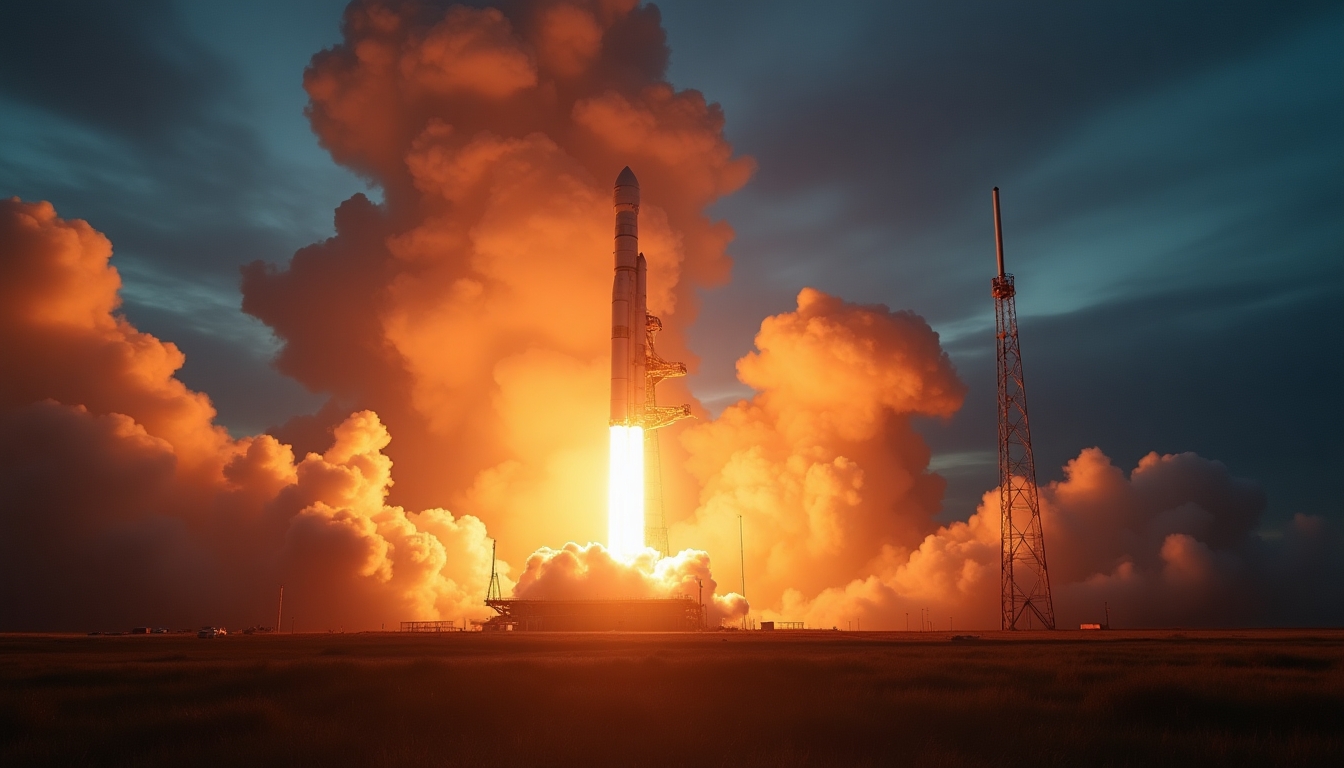
When the Artemis II space launch system ignited from Launch Complex 39B on April 1st at 6:35 p.m. Eastern, it wasn't just another mission launch. A palpable sense of history-in-the-making filled the air. This event was steeped in anticipation, with the ascent being smooth and seamless, indicative of the rigorous preparations NASA has imposed over the spacecraft systems over the years. Yet beyond this seemingly routine procedure lies a narrative not often visible to the public eye—one that carries potential implications for future space travel.
iN SUMMARY
- 🚀 A historic launch for Artemis II signifies the return to deep space exploration after decades confined to lower Earth orbit.
- 🛰️ The technical intricacies of the mission's ascent were clean, showing NASA's strides in spacecraft readiness and maturity.
- ⚙️ Crew inside Orion not only represent technological achievement but active participation in the spacecraft's testing and deep space operational validation.
- 🌕 Artemis II embodies our long-term commitment towards a sustained presence on the moon, marking a reset in space exploration strategy.
Navigating through various technical hurdles, the Artemis II launch represents more than just a technical triumph—it reflects a major leap towards an enduring human presence in deep space. Notably, the launch also bears witness to an exceptional collaboration of modern technology and vintage ideas as it bridges the legacy of Apollo and the aspirations for sustained lunar presence.
The Mission That Almost Wasn't
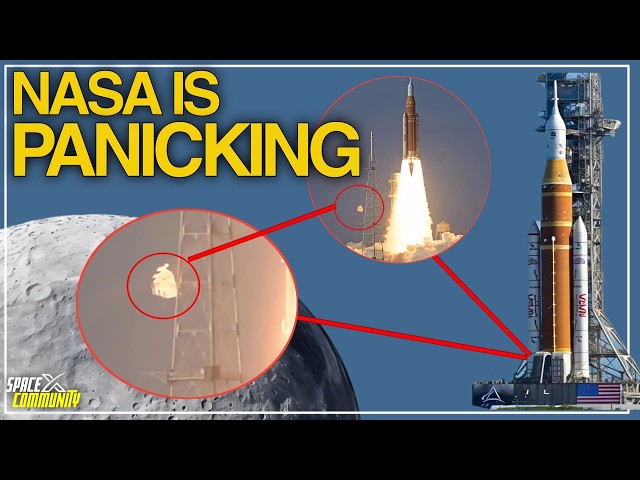
As highlighted in the SpaceX Community video, the launch operation was riddled with challenges, from a critical issue with the flight termination system to battery anomalies in the abort system, coupled with a brief telemetry loss. While each is recognizable in complex operations, their concurrent occurrence underscores the razor-thin margin for error in such complicated missions.
Emerging triumphant over these obstacles without a mission scrub paints a picture of NASA's maturity, its operations reflecting years of progressive strategy behind the alluring visuals of a successful rocket launch. It demonstrates the meticulous orchestration required for missions meant to explore beyond the familiar horizons of Earth.
A New Era of Autonomy in Space
The crew aboard the Orion spacecraft—Reed Weisman, Victor Glover, Christina Ko, and Jeremy Hansen—serve as pioneers on this monumental journey, embodying both astronauts and operational custodians. Their role encompasses more than just being passengers traversing space; they engage in validating and testing the spacecraft's advanced systems capable of high levels of autonomy right from the mission's onset.
Such tests are crucial, given this quest transcends the sheer objective of achieving a lunar loop. It's about operating seamlessly in the vastness of space, re-establishing our foothold beyond Earth's gravitational embrace.
Trajectory: A Test of Time and Endurance
Post-launch, the mission needs Orion to undertake a series of engine maneuvers, establishing an independent trajectory that further tests crew operational efficiency. Ensuring orbital stability through burns and preparing for independent flight emphasizes the delicate balance missions hold to cater to a sustainable exploration regime.
Artemis: Building a Foundation for the Future
The broader implications of Artemis II may be seen as foundational rather than immediate gratification-driven. As the crew progresses, we anticipate each function performed, system validated, and drift corrected impacts how future objectives are approached, prioritizing long-term sustainable goals over a fleeting lunar endeavor. This mission heralds a ferocious commitment to advancing international human spaceflight evident through NASA's selection of long-term autonomy and sustainability.
Curious about the subsequent steps in our quest for deep-space exploration? Engage with the abundant resources contained in world news regarding space exploration efforts, allowing a peek into groundbreaking achievements and future pathways outlined for humanity's foray into outer space.
A New Dawn: Looking Towards the Stars
In essence, Artemis II is more than an exploration effort—it's a philosophical reset necessitating fresh perspectives in space travel dynamics. It invites a reevaluation of how spacecraft are designed and demands a strategic redefinition, focusing on incremental and sustainable growth. This mission, set against a backdrop of anticipation and perseverance, emerges as a beacon for interstellar aspirations finally set in motion.
Join the Conversation
What are your thoughts on the Artemis II mission and its implications for future space exploration? Have your own ideas for an enduring lunar presence? Do join the conversation, share your insights, and become part of the iNthacity community. Let's delve into the possibilities together, honoring the human spirit's unyielding drive towards the stars.
In the grand cosmic scheme, interstellar dreams indeed transcend cultural boundaries, one surge at a time. As we look to Artemis II, we reflect on how far we’ve ventured and anticipate those brilliant infinities awaiting discovery. After all, there's nothing quite as extraordinary as the possibility of a new dawn.
Remember, the sky is not the limit—it's only the beginning!
Wait! There's more...check out our gripping short story that continues the journey: The Awakening of the Ancients

Disclaimer: This article may contain affiliate links. If you click on these links and make a purchase, we may receive a commission at no additional cost to you. Our recommendations and reviews are always independent and objective, aiming to provide you with the best information and resources.
Get Exclusive Stories, Photos, Art & Offers - Subscribe Today!
Related posts:
 My Surgery Vlog: A Detailed Recovery Journey After A Tummy Tuck & A Breast Lift
 Trump, Cartels, Terrorism, and the Surge in Migration Trends
 Bank of America Goes All In On XRP: Crypto Market Rebound Sparks Major Ripple (XRP) Surge
 Cardano Will Surge Past Its All-Time High in 2024 ?
 Chinese Investments Surge in LATAM Market




Post Comment
You must be logged in to post a comment.