
Why Sleep is Non-Negotiable
Sleep isn’t just about resting your body; it’s about detoxifying your brain. Ever notice how groggy and foggy you feel after a sleepless night? That’s your brain crying out for a detox. Without quality sleep, your brain can’t function optimally, and neither can you.
The Diet-Sleep Connection
What you eat plays a massive role in how well you sleep. If you’re munching on refined sugars and junk food late at night, you’re setting yourself up for a restless night. The stress in your gut from late-night snacking can prevent you from falling asleep. The solution? Eat earlier in the day. Ideally, have your last meal by 4 or 5 PM. If you’re dealing with nighttime urination, consider intermittent fasting and cutting out those late-night snacks.
Low-carb diets can also be a game-changer. Inflammatory foods like grains can keep you up at night. When you consume a lot of carbohydrates, your body needs vitamin B1 to break them down. A deficiency in B1 can lead to restless legs and nervous anxiety. To boost your B1 levels, consider adding kefir to your diet. Kefir is packed with probiotics that help build serotonin, which then converts to melatonin—the sleep hormone. For an even better probiotic boost, try L. reuteri yogurt. Just half a cup a day can make a world of difference.
Creating the Perfect Sleep Environment
Your sleep environment is just as important as your diet. Let’s start with temperature. If your room is too hot, you’re going to have a tough time falling asleep. Aim for a thermostat setting between 65 and 68°F. If you have cold feet, warm up some socks before bed to keep your feet cozy.
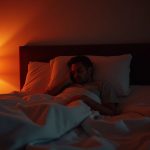
Plants in your room can also help. They release oxygen, which can improve your sleep quality. And don’t forget about light. The darker your room, the better. Any light can inhibit melatonin production. If you’re spending all day in front of a computer or on your phone, you’re exposing yourself to blue light, which stimulates energy. In the evening, aim for warmer, reddish hues to wind down.
The Role of Sunlight and Infrared
Sunlight is crucial for sleep. Over 50% of the sun’s rays are infrared, which can penetrate several inches into your body and help you produce vitamin D—essential for sleep. Since the 80s, as we’ve been avoiding the sun, sleep problems have skyrocketed. So, get outside and soak up some natural light.
Alcohol and Caffeine: Sleep’s Worst Enemies
Alcohol might make you feel sleepy, but it doesn’t give you quality sleep. It prevents deep sleep, leaving you feeling groggy the next day. Caffeine, found in coffee, tea, and chocolate, is another sleep disruptor. Your liver needs time to detoxify these stimulants, so try to avoid them in the evening.
Exercise and Sleep
The more you exercise, the better you’ll sleep. Physical activity helps regulate your sleep patterns and reduces stress, making it easier to fall asleep and stay asleep.
Dealing with Old Injuries
Old injuries can also affect your sleep. If you’ve injured your lower back, stretching before bed can help. Lie on your back with your arms stretched above you and push your feet and arms in opposite directions. This helps relax your body and prepare it for sleep.
The Power of Magnesium and Sodium
Magnesium is a game-changer for sleep. It helps with muscle tightness, spasms, and cramps. Taking magnesium glycinate powder in a warm glass of water before bed can help calm your body. Adding a pinch of sea salt to your diet can also improve sleep. Sodium helps regulate cortisol levels, and a deficiency can lead to poor sleep. Potassium is another essential mineral for sleep. A deficiency can increase your pulse rate, making it harder to relax.
Sound and Essential Oils
Sound can also play a role in your sleep quality. Complete silence is unnatural, so consider using a white noise machine or binaural beats to help you sleep. Essential oils like spikenard and vetiver can also promote relaxation and deeper sleep. You don’t need to consume them; simply breathe in the vapor or rub them onto your temples or chest.
Final Thoughts
Perfecting your sleep is a powerful way to improve your overall health and well-being. From diet and environment to exercise and essential oils, there are numerous strategies to help you get the rest you need. If you’re still waking up tired, you might be missing out on something crucial—like salt. Yes, salt. It’s time to rethink everything you’ve been told about salt and its role in sleep.
Thought-Provoking Questions
- What changes can you make today to improve your sleep?
- Have you tried any of these strategies before? What worked and what didn’t?
- How do you think better sleep could improve your daily life?
Join the iNthacity community and become a permanent resident of the "Shining City on the Web". Share your thoughts, like, comment, and participate in the debate. Let’s work together to perfect our sleep and wake up refreshed every day.
Disclaimer: The information provided in this article is for educational purposes only and is not a substitute for professional medical advice, diagnosis, or treatment. Always seek the advice of your physician or other qualified health provider with any questions you may have regarding a medical condition.
"Sleep is the golden chain that ties health and our bodies together." – Thomas Dekker
Wait! There's more...check out our gripping short story that continues the journey: The Last Beacon of Aetheris

Disclaimer: This article may contain affiliate links. If you click on these links and make a purchase, we may receive a commission at no additional cost to you. Our recommendations and reviews are always independent and objective, aiming to provide you with the best information and resources.
Get Exclusive Stories, Photos, Art & Offers - Subscribe Today!
Related posts:
 Understanding Heart Attacks: Causes, Symptoms, and Effective Prevention Strategies
 Top Causes of Gallstones & Effective Treatment Options
 The Simplest and Fastest Way to Lose Fat with One Effective Exercise
 Are Britons Sleep-Deprived Zombies? The Startling Truth About the UK’s Slumber Habits
 Anker’s Soundcore Sleep A30 Earbuds Now Feature Active Noise Canceling





Post Comment
You must be logged in to post a comment.