The holiday season is here, and with it comes the temptation to indulge in all the sugary, processed, and artificially flavored treats that seem to dominate the shelves. But what if this year, you could make smarter, healthier choices that not only taste great but also nourish your body? Thanks to Dr. Pradip Jamnadas, MD, a renowned cardiovascular intervention specialist, we have a roadmap to navigate the grocery store aisles with confidence. Dr. Jamnadas has created a three-part video series on smart shopping strategies, and in this article, we’ll dive deep into his advice, expand on it, and give you actionable tips to transform your holiday shopping habits.
Why Real Food Matters
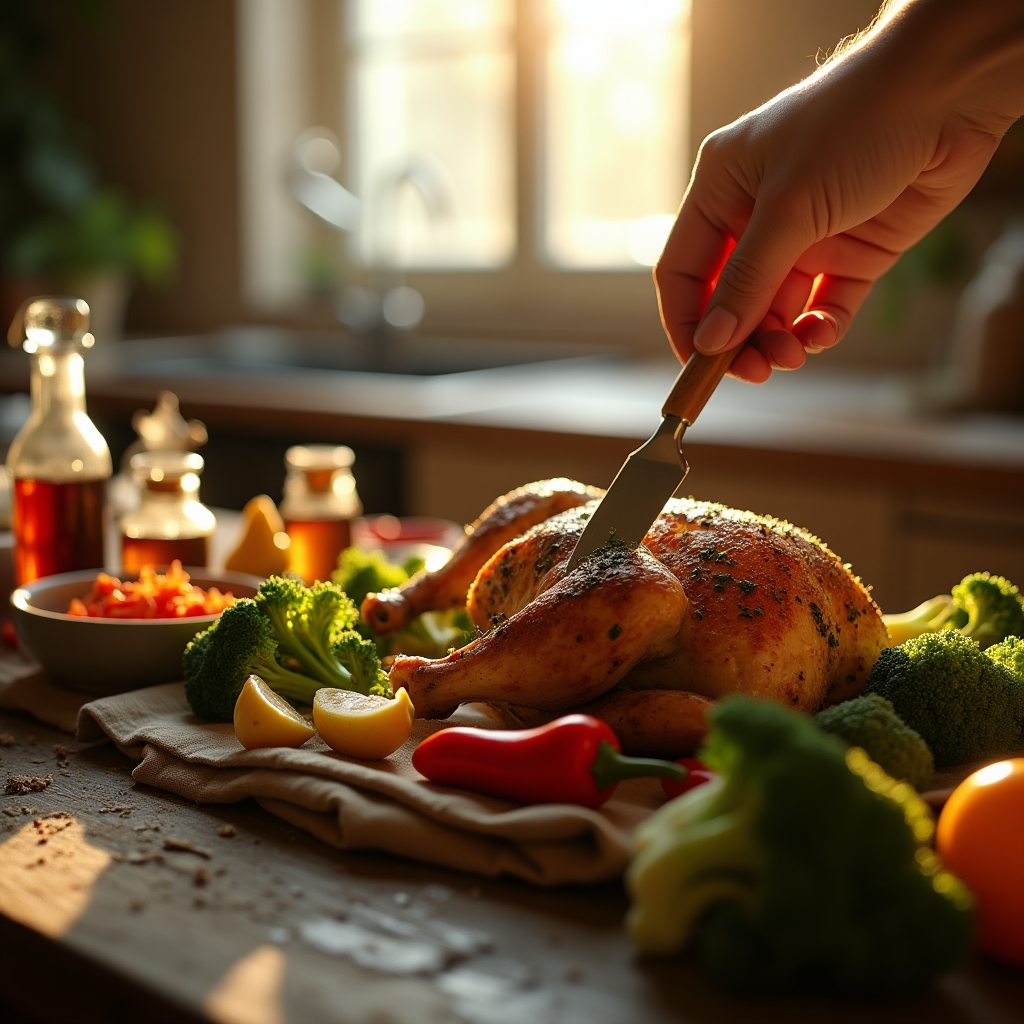
Dr. Jamnadas emphasizes one key principle: buy real food. But what does that mean? Real food is food that comes in its natural state, free from artificial ingredients, processed sugars, and harmful vegetable seed oils. Think whole, unprocessed foods like organic chicken, vegetables, and spices you can mix yourself. These foods are packed with fiber, essential nutrients, and high-quality proteins that your body craves. But why is this so important?
Processed foods are often loaded with additives like monosodium glutamate (MSG), high fructose corn syrup, and artificial flavors that can wreak havoc on your health. According to Dr. Jamnadas, MSG can cause symptoms like headaches, facial flushing, and even rashes in some people. Worse yet, it can disrupt your gut flora, making you feel hungrier and potentially leading to overeating. The FDA may classify MSG as “generally regarded as safe,” but that doesn’t mean it’s good for you.
The same goes for processed vegetable oils. When these oils are reheated, they can form trans fats, which are harmful to your cardiovascular health. Dr. Jamnadas advises against reusing frying oil and suggests opting for healthier alternatives like olive oil or avocado oil. If you’re looking for high-quality oils, check out this organic extra virgin olive oil on Amazon.
The Protein Powerhouse: Chicken, Pork, and Eggs
Protein is a crucial part of any balanced diet, and Dr. Jamnadas highlights organic chicken and pork loin chops as excellent sources. Chicken, for example, is high in protein and low in carbs, making it an ideal choice for those looking to maintain or build muscle. Pork loin chops are another great option, offering a high-quality protein source without the added sugars or artificial ingredients found in processed meats like bacon.
While bacon may be a beloved breakfast staple, Dr. Jamnadas cautions against consuming it regularly. Processed meats are often loaded with harmful additives and should be enjoyed sparingly. Instead, opt for organic, grass-finished meats that are free from antibiotics and hormones. For a convenient source of organic meats, try this grass-finished organic beef available on Amazon.
The Carb Conundrum: Plantains, Potatoes, and Rice
Carbohydrates often get a bad rap, but not all carbs are created equal. Dr. Jamnadas explains that foods like plantains, potatoes, and rice are essentially strings of sugar molecules joined together. While they do provide energy, they also spike your insulin levels, leading to weight gain and other health issues.
That doesn’t mean you need to avoid carbs altogether. Dr. Jamnadas suggests enjoying these foods occasionally and in moderation. For example, a baked potato with its skin on is a good source of fiber and nutrients. The key is to avoid processed versions like French fries, which are often fried in harmful vegetable oils and loaded with additives.
The Magic of Vegetables and Fiber
Vegetables are the unsung heroes of a healthy diet. Dr. Jamnadas raves about broccoli, cauliflower, and peppers, which are packed with phytochemicals, fiber, and essential nutrients. These vegetables not only nourish your body but also support your gut bacteria, which play a crucial role in overall health.
One of Dr. Jamnadas’ favorite tips is to incorporate fermented foods like kimchi and sauerkraut into your meals. These foods are rich in probiotics, which promote a healthy gut microbiome. Pair them with a simple salad dressing made from olive oil and balsamic vinegar for a delicious, gut-friendly meal. For a high-quality balsamic vinegar, check out this aged balsamic vinegar on Amazon.
Infrequent Eating and Metabolic Flexibility
Another key takeaway from Dr. Jamnadas’ video is the concept of infrequent eating. Instead of grazing every few hours, he recommends eating real food and giving your body time to switch between glucose and ketone metabolism. This metabolic flexibility is natural and can help you maintain a healthy weight and energy levels.
Dr. Jamnadas himself follows an intermittent fasting routine, eating just one meal a day or two meals within a six-hour window. This approach gives his gut, bacteria, and mitochondria a chance to rest and regenerate. If you’re curious about intermittent fasting, consider starting with a 16:8 fasting schedule and gradually increasing your fasting window.
Watch the Original Video
For a deeper dive into Dr. Jamnadas’ shopping strategies, watch the original video embedded below:

Final Thoughts
The holiday season doesn’t have to be a time of unhealthy eating and regret. By following Dr. Jamnadas’ advice, you can make smarter, healthier choices that benefit your body and mind. Remember, the key is to focus on real, unprocessed foods, avoid harmful additives, and prioritize your gut health.
As Dr. Jamnadas says, “Eat the right stuff and learn how to eat infrequently.” This simple mantra can transform your health and help you navigate the holiday season with confidence.
Questions to Ponder
- What changes can you make to your shopping habits to prioritize real food?
- How often do you eat processed foods, and what’s one step you can take to reduce your intake?
- Have you tried intermittent fasting? What was your experience?
Join the iNthacity community and share your thoughts in the comments below! Become a permanent resident of the Shining City on the Web, where we explore the latest in health, technology, and innovation. Like, share, and participate in the conversation—your insights could inspire someone to make a positive change!
Disclaimer
The information provided in this article is for educational purposes only and is not a substitute for professional medical advice, diagnosis, or treatment. Always seek the advice of your physician or other qualified health provider with any questions you may have regarding a medical condition. As the Mayo Clinic advises, “A healthy diet and lifestyle are your best weapons against cardiovascular disease.”
Wait! There's more...check out our gripping short story that continues the journey: The Weight of Power

Disclaimer: This article may contain affiliate links. If you click on these links and make a purchase, we may receive a commission at no additional cost to you. Our recommendations and reviews are always independent and objective, aiming to provide you with the best information and resources.
Get Exclusive Stories, Photos, Art & Offers - Subscribe Today!
Related posts:
 Top Breakfast Choices vs. Worst Foods: Impact of Processed Foods and Sugar on Health
 Optimal Nutrition for Staying Shredded Year-Round: A Full Day of Eating Plan
 The #1 Best Heart-Healthy Meal to Clear Out Your Arteries Naturally
 5 Fat-Burning Foods You Should Be Eating Daily to Boost Weight Loss Naturally
 The Hidden Health Risks of Processed Flour and Vegetable Seed Oils Explained





Post Comment
You must be logged in to post a comment.