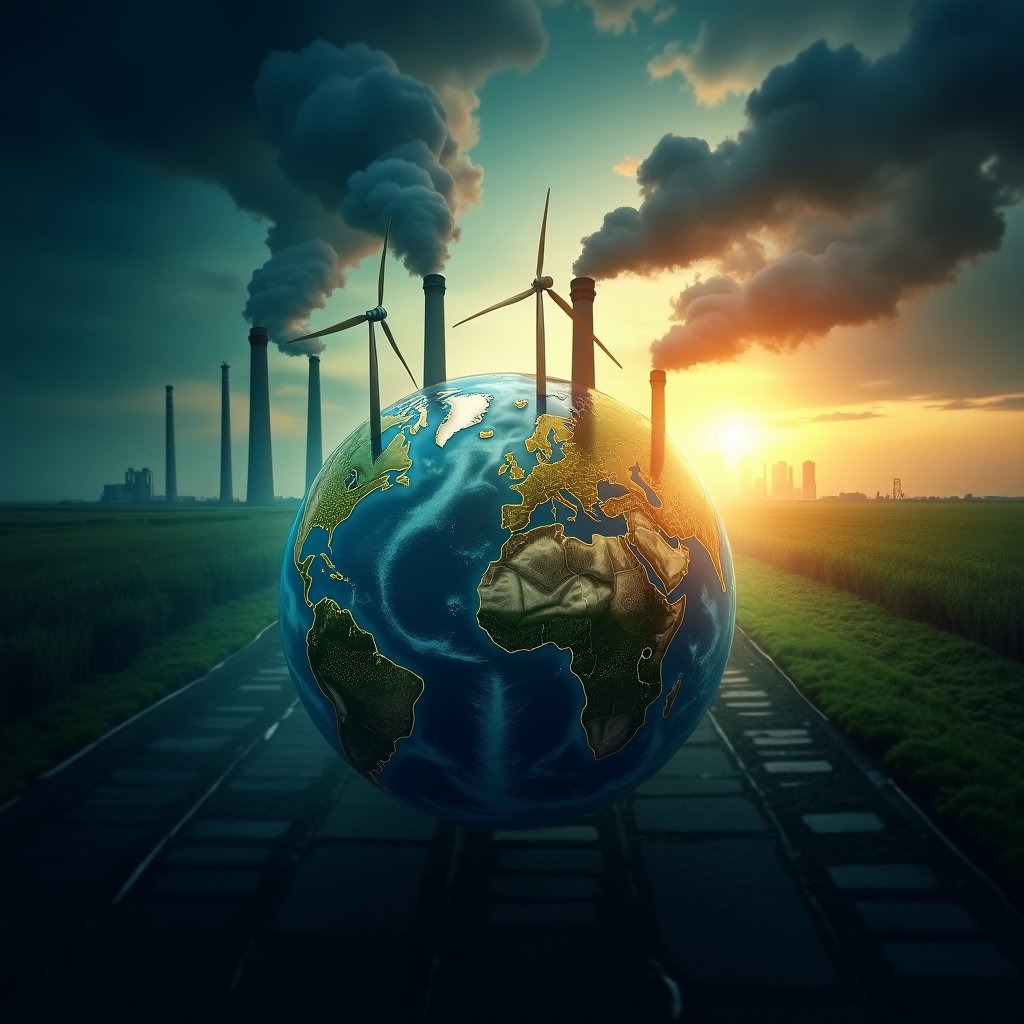
Picture this: a planet teetering on the brink of an environmental meltdown, yet bustling with unstoppable economic gears. This is the gripping conundrum we face today. As we teeter on the edge, a crucial question claws at our collective consciousness: Should we fuel the economy’s engine or preserve the planet? DW Documentary's insightful video delves into this burning dilemma.
In the hustle and bustle of modern life, it's easy to fall into the trap of thinking that economic growth and environmental preservation are like oil and water—forever at odds. Yet, the debate is not as black and white as it seems. On one side, we have the advocates of the New Growth Movement, who argue that to save the Earth, we must shrink the economy—yes, you heard that right—shrink it! Imagine a world where planes, cars, and even new home constructions dwindle into extinction. Drastic? Perhaps. But is it the only way?
The New Growth Movement: Living with Less
The New Growth proponents stand firm in their belief: the planet's resources are finite, and so should our consumption be. They argue that maintaining our current economic trajectory spells doom. It sounds like the stuff of dystopian fiction, but the movement resonates with those wary of our voracious appetite for resources. Think of it as living in a world of all-you-can-eat buffets, where the food eventually runs out but the diners just keep coming. Eventually, chaos ensues, and the New Growth advocates say it's time to go on a diet.
Yet, this path is fraught with caveats. Imagine the hardships faced by industries that underpin modern life. The ripple effect could be colossal—affecting employment, innovation, and living standards. A world without growth could mean a one-way ticket to stagnation. But hold your horses, because the story doesn’t end here.
Green Growth: Innovation to the Rescue?
Enter: Green Growth proponents, the knights in shining armor who argue for a harmonious alliance between the economy and ecology. They contend that we don’t need to sacrifice growth on the altar of environmentalism. What if growth isn’t the villain but the hero with enough cash to foot the bill for the climate crisis?
According to Green Growth advocates, we can slash CO2 emissions and still rev up the economy. They propose investments in clean technologies—technologies that not only prevent environmental apocalypse but also spark economic dynamism. Picture wind turbines and solar panels replacing smokestacks as symbols of progress. Doesn’t that paint a picture of hope?
Their argument is as persuasive as a superhero’s battle cry—protect the planet and grow rich while doing it. Innovations, they say, are the new cool, catalytic converters of positive change. By harnessing our ingenious spirit, we can green our planet while keeping our pockets intact.

Pros and Cons: An Economical Tug of War
With the New Growth proposing a starkly different path than Green Growth, the decision feels like being stuck between a rock and a hard place. Let's break it down:
- New Growth: Offers the potential for deep environmental renewal but at the cost of economic slowdowns and potential societal disruption.
- Green Growth: Promises technological innovation and continued prosperity while attempting environmental sustainability, but bears the risk of falling short in drastic CO2 cuts.
It's like being given the choice between a potion of endless dreamless sleep and an energy drink laced with just enough hope and anxiety to keep you awake at night. Which do you pick?
Rethinking the Status Quo
This debate invites us to question our fundamental assumptions about growth and prosperity. Do we dare redefine what success looks like in the age of climate change? Should prosperity be measured by the bloom of GDP or by the vivid green renewal of nature? It's a conversation dominated by unyielding opinions, but the answer might lie somewhere in the middle. Facing an uncertain future, we must weigh our choices against the image of a brighter tomorrow.
The Road Ahead: Where Do We Go from Here?
Ultimately, achieving a balance between growth and sustainability requires creativity, courage, and compromise. Could the solution be an innovative hybrid of both ideologies? A model where moderate growth marries sustainable practices, where companies and consumers unite to weave a resilient economic fabric that accommodates our planet.
In the spirit of playing nice, it might be about time we retire the zero-sum game mentality. Instead, why not create a framework where economies thrive not in spite of environmental measures, but because of them?
Conclusion: Your Move
So, dear reader, what's your take on this hefty topic? Can growth and green coexist peacefully, or must we make a sacrifice for the greater good? Does this discussion spark new ideas or affirm what you’ve always thought? Toss those thoughts into the comments and be part of this transformative dialogue.
And remember, here in the Shining City on the Web at iNthacity, we’re cultivating a space for innovation and sustainability. Join us, share your dreams and visions, and together let's drive change. Subscribe, comment, and engage. The planet won’t save itself, but together, we just might.
Wait! There's more...check out our fascinating short story that continues the journey: The Dagger's Blade

Disclaimer: This article may contain affiliate links. If you click on these links and make a purchase, we may receive a commission at no additional cost to you. Our recommendations and reviews are always independent and objective, aiming to provide you with the best information and resources.
Get Exclusive Stories, Photos, Art & Offers - Subscribe Today!








1 comment