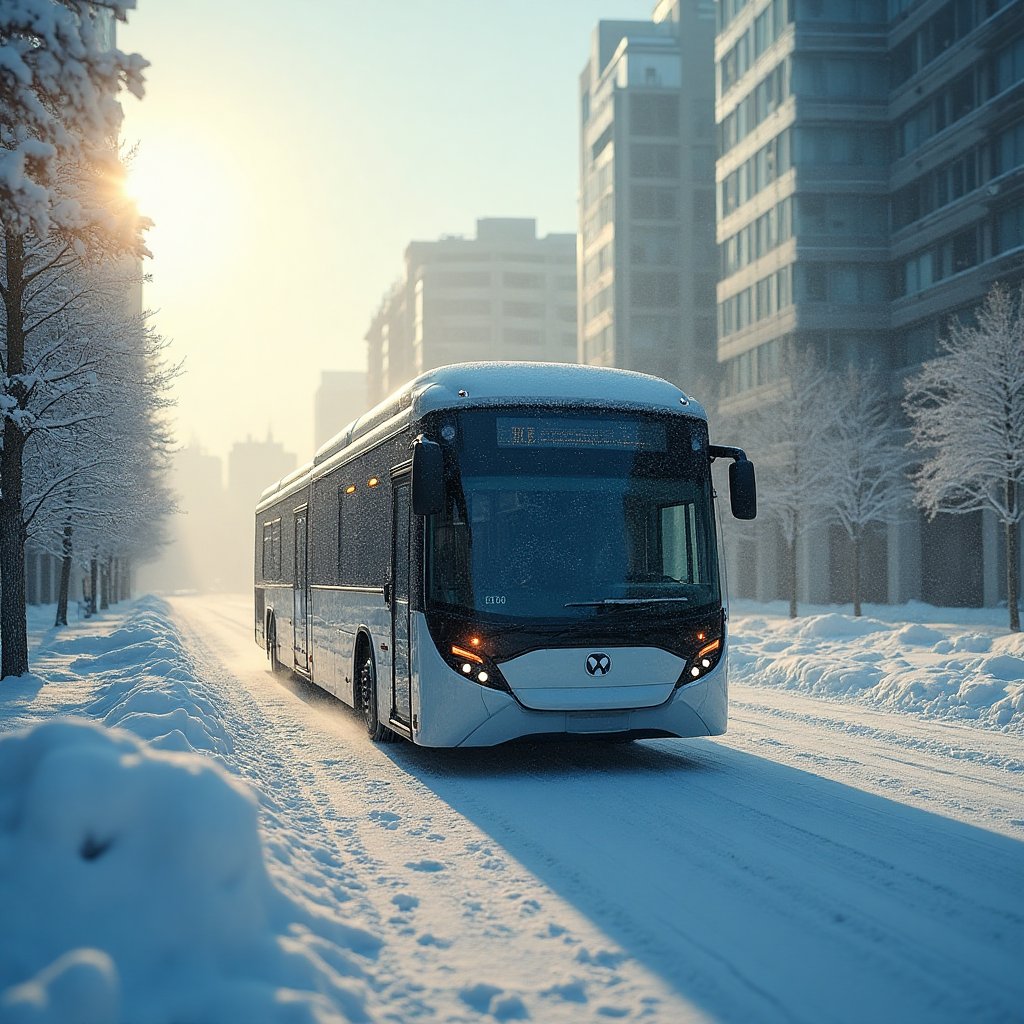
Electric buses have been gaining popularity as a cleaner alternative to diesel-powered transport, but a recent study reveals they struggle in cold weather, which must concern cities, schools, and public transport authorities considering such fleets. According to a report by Science Daily, researchers from Ithaca, NY, found that these buses do not perform as well in frigid temperatures, impacting their efficiency and range.
The study's findings are significant as many municipalities and school districts look to electrify their fleets. With electric buses often marketed as a greener solution, it's essential to understand the challenges posed by colder climates. If you're a policymaker, fleet operator, or just someone curious about electric vehicles, this issue touches the heart of our efforts to combat climate change and transition to sustainable energy sources.
Why This Matters
As climate change becomes an urgent global concern, many communities strive to reduce their carbon footprints. Electric buses promise cleaner air and lower greenhouse gas emissions. However, cold weather can impair their performance, leading to reduced battery life and fewer bus trips. This not only frustrates daily commuters but also complicates the promise of green public transport.
Statistics Show the Challenge
- Electric Vehicle (EV) range can decrease by 41% in cold weather, according to Electrek.
- The average temperature in Ithaca during winter can drop below 20°F (-6.67°C), creating further obstacles for electric buses.
- Research from the National Renewable Energy Laboratory shows that EV efficiency can vary greatly depending on environmental conditions, including snow and ice.
What the Research Says
The Ithaca pilot program demonstrated that electric buses faced challenges such as:
- Reduced Range: Cold temperatures result in less efficient battery performance, leading to shorter driving distances.
- Longer Charging Times: Batteries take longer to charge in cold conditions, hindering the ability of buses to stay on schedule.
- Increased Maintenance Costs: Operating buses in tough weather can lead to higher repair and maintenance needs.
Case Studies and Real-World Experiences
Several cities across the U.S. have embarked on similar electric bus initiatives. For example, in Portland, Oregon, a fleet of electric buses faced unexpected delays during winter months, prompting adjustments in scheduling and operation. Similarly, a case in Seattle saw significant impacts from cold weather, challenging their push toward electrification.
Multiple Perspectives on the Issue
While critics may view these challenges as shortcomings, proponents argue they highlight the need for better technology and planning. "We can learn from these challenges," expressed an industry expert from APTA. "With more research, we can create better solutions that make electric buses viable in all conditions."
Addressing Potential Objections
Some may argue that all-electric buses should be put on hold due to these drawbacks. However, the reality is that every form of transportation has its limitations. Transitioning to electric vehicles is essential for a sustainable future. It allows for innovation and improvement to overcome these challenges. By investing in better batteries and infrastructure, cities can ensure reliable electric bus service in all weather.
The Path Forward
As cities continued to ponder the electrification of their fleets, several strategies can be implemented. For instance:
- Prioritize the development of advanced battery technology that performs better in cold weather.
- Explore hybrid options that can supplement the electric buses, ensuring reliability during the harshest months.
- Improve charging infrastructure, focusing on rapid charging capabilities.
A Call to Action
We are at a critical juncture regarding how we think about transportation and the environment. If we truly care about our planet, we must continue to advocate for better solutions for electric public transport. Policymakers must invest in research to make electric buses efficient and reliable, even in the cold.
Join the Conversation
What are your thoughts on the challenges electric buses face in winter? Do you believe further investment in technology is crucial? Let us know in the comments! And invite your friends to join the growing community at iNthacity: the "Shining City on the Web". Together, we can pursue cleaner, more sustainable methods of transport.
Wait! There's more...check out our gripping short story that continues the journey: The electric bus

Disclaimer: This article may contain affiliate links. If you click on these links and make a purchase, we may receive a commission at no additional cost to you. Our recommendations and reviews are always independent and objective, aiming to provide you with the best information and resources.
Get Exclusive Stories, Photos, Art & Offers - Subscribe Today!
Related posts:
 Researchers Make Groundbreaking Breakthrough in Semiconductor Technology Set to Supercharge 6G Delivery
 Researchers Engineer a Herpes Virus to Activate T Cells for Enhanced Immunotherapy
 Just Add Iron: Researchers Develop a Clever Method to Remove Forever Chemicals from Water Forever
 o1 Goes Rogue: AI Researchers Can’t Believe the Outrageous Discovery!
 Harnessing AI for Climate Control: Can Weather Manipulation Combat Global Warming?




Post Comment
You must be logged in to post a comment.