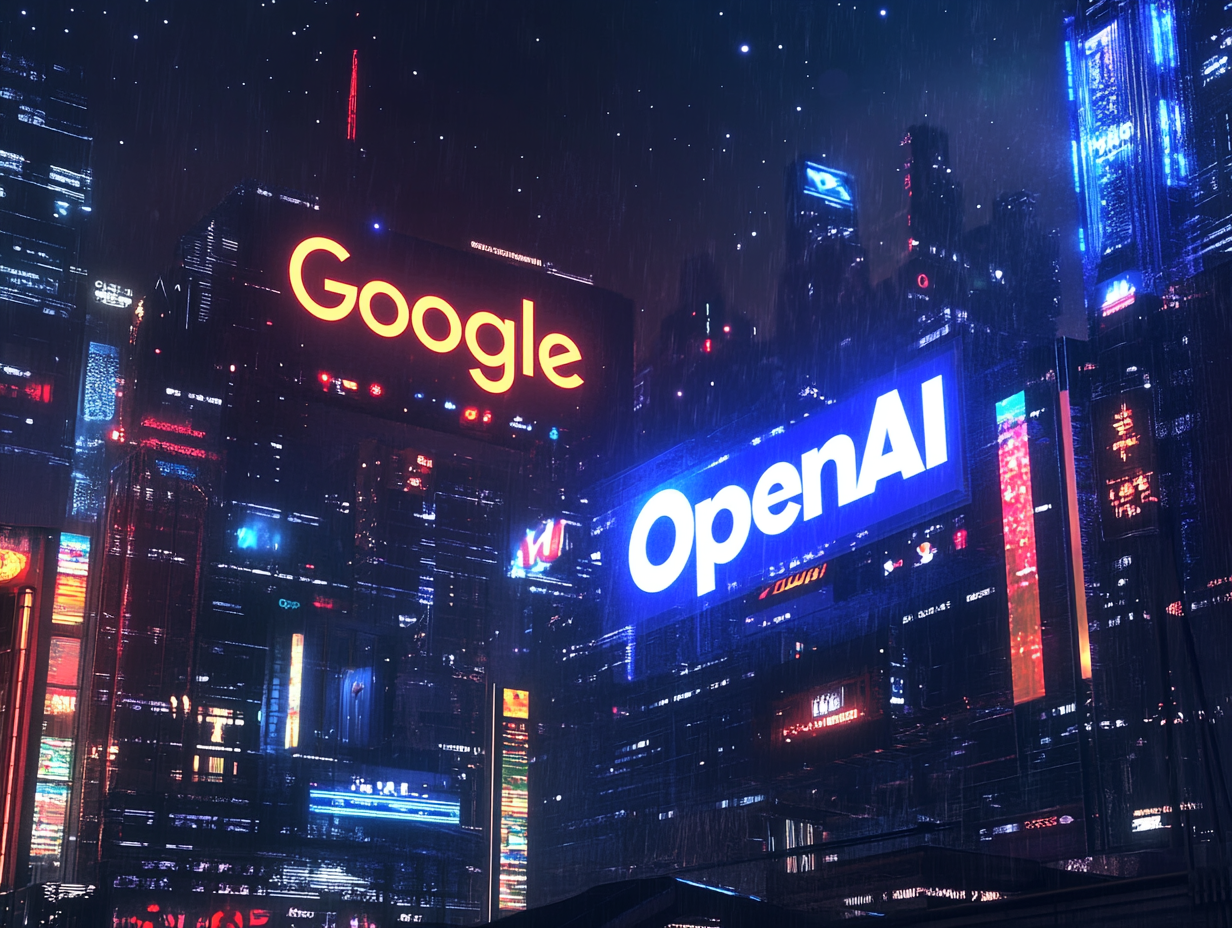
In a narrative straight out of a modern tech thriller, Google made a strategic power play, unveiling its AI's access to real-time search just as OpenAI launched ChatGPT Search. It's a chess match played with advanced algorithms and search queries, and we're here to break down every riveting move.
Google's Calculated Move
Introducing Gemini AI Real-Time Search
Hold onto your hats: Google has unveiled its Gemini AI platform's latest party trick—real-time search integration. At $35 per 1,000 queries, this isn't just about providing information on the go; it's about fundamentally reshaping how we interact with search engines. In Google's vision, your AI isn't limited to yesterday's news; it's updated by the second, connected to the world's ever-turning news cycle.
Why Now?
Google's move seems to answer the unspoken challenge posed by OpenAI's ChatGPT. By acting swiftly, Google hopes to harness its dominance in the Search arena, fending off potential disruptions in a space it's ruled for decades. The question is, will quicker, richer responses equate to market conversion? Only time will tell.
OpenAI's Challenge
ChatGPT Enters the Fray
Not to be outdone, OpenAI made its entry into the next-gen search wars by launching ChatGPT Search. The platform aims to redefine user experience with its ability to provide nuanced, conversational answers to search queries. OpenAI isn’t baking bread in Google’s oven; instead, it's building a brand-new AI-kitchen right next door and inviting everyone over for dinner.
The Vision Behind Conversational Search
Imagine chatting with an entity that doesn't just understand keywords but empowers a conversation. OpenAI believes its conversational AI can dig deeper into queries, unravel complexities, and deliver insights in ways that could challenge the very nature of traditional keyword-based searches. It’s about answering "Why did it happen?" instead of just "What happened?"
The Showdown: What Does It Mean?
Both companies are betting big on AI—big enough to put their battles on front-page searches. But what does this really mean for you? In the best-case scenario, users gain access to a multi-faceted search experience that understands them nearly as well as close friends.
But with great power comes great risks: misinformation, privacy concerns, and the capitalization of search habits. Expect analytics and capabilities more potent than ever, but also tread carefully in this brave new world.
And The Winner Is…?
Right now, it’s anybody’s game. Google's decades of data accumulation stand on one side, while OpenAI's agile innovation and conversational prowess weigh in on the other. This isn't just a face-off between two companies; it's a historic chapter in the evolution of AI technology.
For the latest developments, track major personalities behind these AI initiatives like Sundar Pichai from Google, or Sam Altman from OpenAI.
What Do You Think?
Where do you see AI-powered search heading? Will Google manage to hold its ground, or will OpenAI carve out a substantial share of the market? Weigh in with your thoughts in the comments below.
Join the debate, become a part of iNthacity, apply for residency, and help shape the AI-dialogue of tomorrow. Be bold, be inquisitive, and make sure to subscribe to our newsletter for more tech insights and updates.
Disclaimer: This article may contain affiliate links. If you click on these links and make a purchase, we may receive a commission at no additional cost to you. Our recommendations and reviews are always independent and objective, aiming to provide you with the best information and resources.
Get Exclusive Stories, Photos, Art & Offers - Subscribe Today!
Related posts:
 OpenAI Faces New Competition: Ex-CTO Murati and Google Join the Race
 Microsoft Begins Testing AI-Powered Copilot for Gaming in Xbox App for iOS and Android
 The Ultimate Nerd Battle: How OpenAI and Google Are Transforming the Internet
 Google Exposes OpenAI’s Secrets: What You Need to Know
 OpenAI May Soon Let You ‘Sign In with ChatGPT’ for Other Apps Seamlessly





Post Comment
You must be logged in to post a comment.