
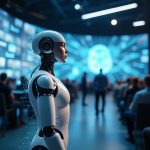
On a quiet, starry night in Silicon Valley, OpenAI's development lab bustled with a different kind of energy. Engineers and AI specialists were on the brink of introducing a model that had the world anticipating, discussing, and speculating. This model, GPT-5, is set to redefine our understanding of artificial intelligence, but not in the way everyone had initially expected. Join us as we explore the clues and hints proposed by OpenAI, discuss the potential impact of this technological marvel, and consider the implications for users worldwide.
iN SUMMARY
- ?️ Changes in GPT-5 release suggested by OpenAI indicate a more unified and powerful model.
- ? GPT-5 is projected to transform user experience with its integration of reasoning and multimodality.
- ? The model's potential risks include psychological impacts, prompting a call for cautious use.
- ? GPT-5 is much anticipated for its ability to deliver enhanced capabilities and smarter interactions.
The excitement around GPT-5 is palpable, with many believing it could be the milestone that onboards millions more into the ever-growing AI ecosystem. This revelation comes from a brief mention during a live stream by OpenAI, where the model's potential to unite various AI capabilities was highlighted. Unlike its predecessors, GPT-5 is poised to merge the reasoning advancements of older models with the breakthroughs in multimodality, effectively creating an all-encompassing AI capable of impressive feats.
A Revolution in How We Interact with AI
For AI enthusiasts and experts, the introduction of GPT-5 means a significant leap forward. Recently, Kevin Whale, OpenAI's Chief Product Officer, emphasized that GPT-5 isn't just a glorified model router but a comprehensive system designed to redefine AI. The implications are profound for those who utilize AI in day-to-day applications, from casual interactions to professional endeavors.
The omnipresence of AI in our lives continues to unveil unseen dimensions, including ethical challenges and unforeseen societal impacts. The rapid integration of AI tools, like the upcoming GPT-5, into daily workflows and personal exchanges underscores the sheer power and potential of these technologies. However, with power comes responsibility.
Technological Advancements and Their Societal Implications
With GPT-5, OpenAI promises an unmatched AI experience, combining the nuanced capabilities of various existing models into a singular, advanced system. This unification process, however, has raised valid concerns. From mental health implications due to AI's overly agreeable nature to the potential for inducing dependency and even cognitive distortions in some users, the societal implications warrant vigilant consideration.
The ability for AI to seemingly understand and outpace human understanding can stir a complex interplay of optimism and apprehension. In a thought-provoking podcast, Sam Altman, CEO of OpenAI, expressed both excitement and concern about the evolution of AI, especially in terms of how it might challenge human capabilities.
Preparing for the Arrival: What to Expect
As OpenAI prepares to release GPT-5, their focus has keenly shifted to setting realistic expectations. This model is expected to surpass its predecessors in terms of intelligence and functionality. It remains crucial for us, both developers and users alike, to remain cautious and discerning users of AI, mindful of its profound influence on our cognition and social interactions.
While OpenAI strategizes to mitigate potential negative impacts of AI, users must also take part in this responsible usage. From establishing proper usage guidelines to ensuring emotional health guardrails, a collective effort is necessary to harness AI's benefits while minimizing risks.
Adapting to the New Era of AI
The unveiling of GPT-5 comes with unprecedented potential. OpenAI envisions this model as a tool that can enhance efficiency and innovation while transforming various sectors. From offering state-of-the-art financial advisement to improved fraud detection, the applications are immense. But with these advancements come pressing questions: How will societies regulate and adapt to these changes? What ethical frameworks will guide this AI evolution?
As we stand on the cusp of AI-driven change, we invite you to ponder: What challenges and opportunities do you foresee with the advent of GPT-5? How can we, as a global community, prepare for such transformative technology? We welcome your thoughts and discussions in the comments below. And if you're intrigued by these topics and want to be part of a forward-thinking community, consider becoming a citizen of the "Shining City on the Web". Engage with us, share your insights, and help shape the future of AI together.
Visit iNthacity for more discussions on technology and join the conversation!
Remember, with great power comes a great opportunity - let's guide AI to be a force for good in our world.
Wait! There's more...check out our gripping short story that continues the journey: The Catalyst

Disclaimer: This article may contain affiliate links. If you click on these links and make a purchase, we may receive a commission at no additional cost to you. Our recommendations and reviews are always independent and objective, aiming to provide you with the best information and resources.
Get Exclusive Stories, Photos, Art & Offers - Subscribe Today!
Related posts:
 Leaked Details of OpenAI’s Revolutionary New AI Agents Unveiled for SEO Optimization
 The Revolutionary Manus AI Agent Just Changed Everything for Future Technology
 Leaked Details of OpenAI’s Revolutionary New AI Agents Revealed
 Google’s Gemini AI Will Get More Personalized by Automatically Remembering User Details
 OpenAI’s New AI Agents Leaked: Key Details Revealed for Enhanced SEO Insights





Post Comment
You must be logged in to post a comment.