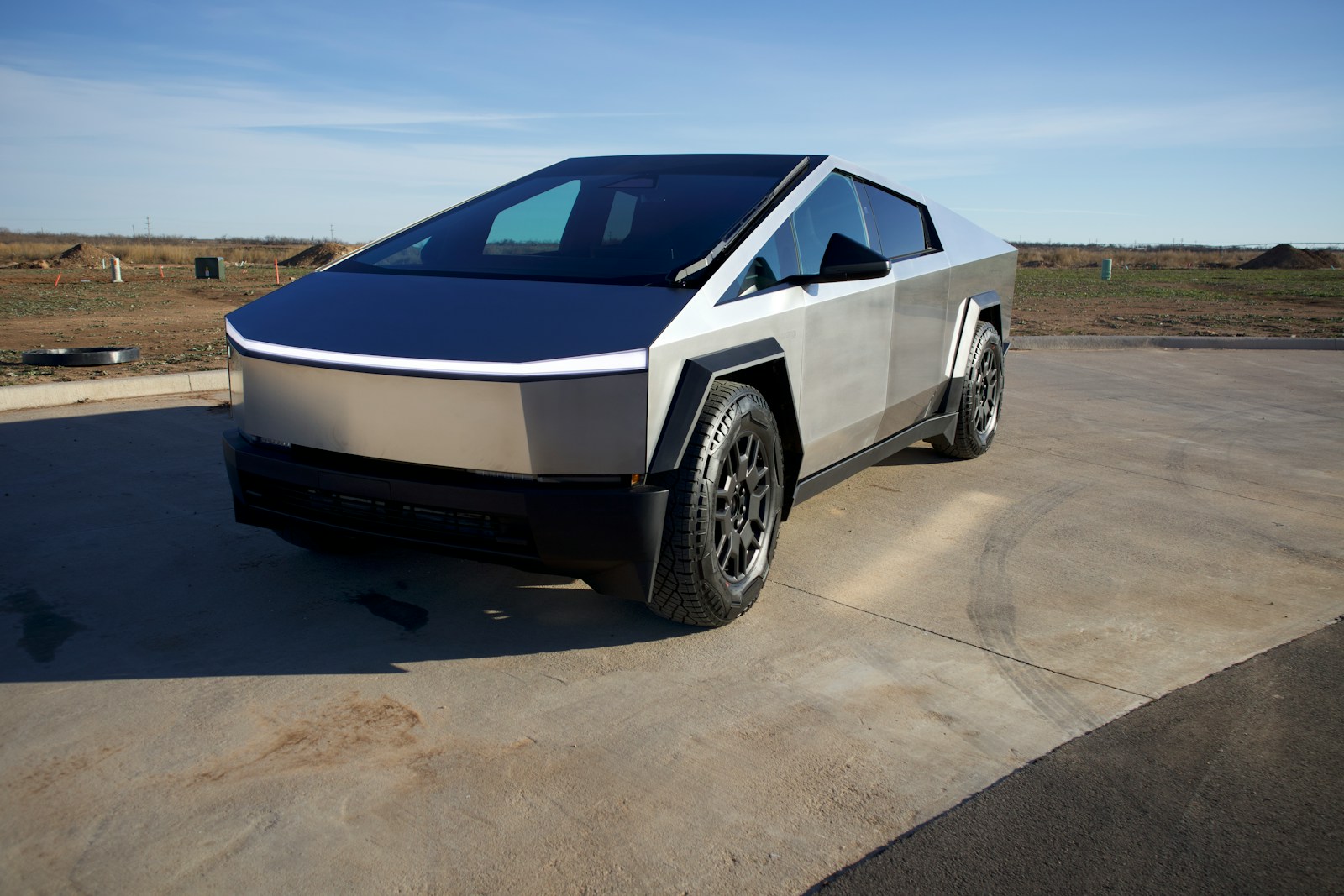
When Elon Musk unveiled the Tesla Cybertruck in 2019, it wasn’t just a vehicle—it was a statement. A stainless steel behemoth that looked like it had driven straight out of a sci-fi movie, the Cybertruck promised to redefine what a pickup truck could be. But for many, the real question isn’t about its futuristic design or bulletproof windows—it’s about its towing capacity. Can this electric powerhouse truly compete with the heavyweights of the truck world, like the Ford F-150 Lightning or the Rivian R1T?
Experts like Sandy Munro, an automotive engineer known for his teardowns of Tesla vehicles, have praised the Cybertruck’s innovative design but raised questions about its real-world performance. Meanwhile, Elon Musk himself has made bold claims about its capabilities, including a towing capacity of up to 14,000 pounds. But as Car and Driver points out, the devil is in the details. How does the Cybertruck handle when it’s pulling a boat, a camper, or a trailer full of construction equipment? And what happens to its range when it’s under heavy load?
This article dives deep into the Cybertruck’s towing capabilities, comparing it to its rivals, exploring its unique features, and examining the role of AI in optimizing its performance. Whether you’re a contractor, an outdoor enthusiast, or just someone who loves cutting-edge tech, this is the ultimate guide to understanding whether the Cybertruck can truly compete in the world of towing.
The Tesla Cybertruck boasts a towing capacity of up to 11,000 lbs, but how does it compare to the Rivian R1T and Ford F-150 Lightning? We break down real-world performance, range impact, and AI-driven solutions to maximize efficiency.
What Tesla Promises
Official Towing Specs
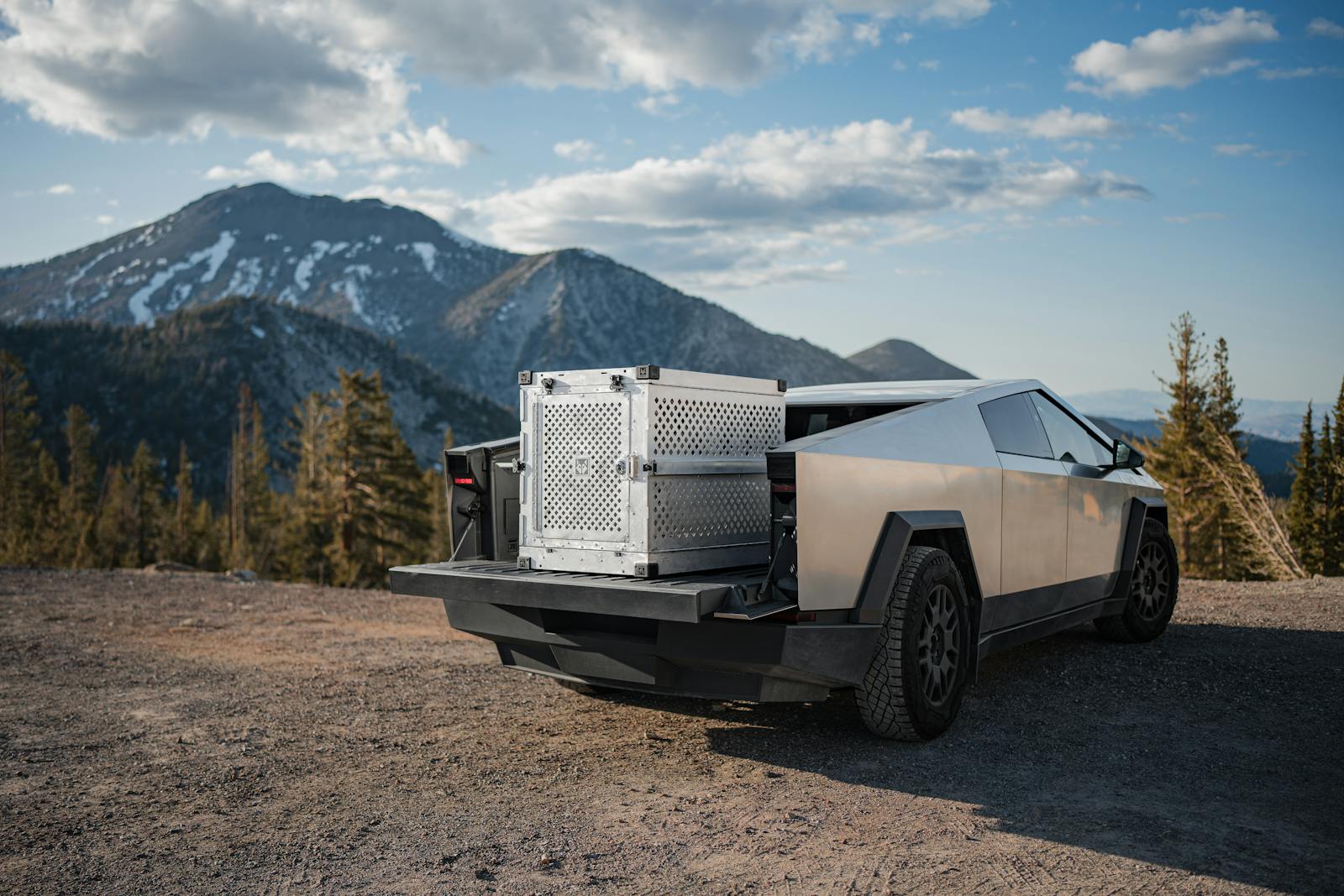
Tesla has released official towing specs for the Cybertruck, and they’re nothing to sneeze at. The Single Motor RWD model can tow up to 7,500 pounds, while the Dual Motor AWD bumps that up to 10,000 pounds. The top-tier Tri Motor AWD (dubbed the Cyberbeast) initially claimed a jaw-dropping 14,000 pounds, though this has since been adjusted to 11,000 pounds. Payload capacity ranges from 2,500 to 3,500 pounds, depending on the model.
Elon Musk’s Bold Claims vs. Reality
When Elon Musk first unveiled the Cybertruck, he made headlines with his claim of a 14,000-pound towing capacity. However, as Tesla’s official website now shows, that number has been dialed back to 11,000 pounds for the Tri Motor model. This adjustment has led to some skepticism among experts. For instance, Motor Trend notes that real-world testing often reveals limitations that aren’t apparent in controlled environments. Factors like battery drain, thermal management, and aerodynamics can all impact towing performance.
Regulatory and Safety Considerations
Towing isn’t just about raw power—it’s also about safety. The Cybertruck’s braking distance with heavy loads is a critical factor, as is its ability to control trailer sway. Tesla has addressed these concerns with features like adaptive suspension and trailer sway control, but as NHTSA regulations emphasize, real-world conditions can be unpredictable. For example, how does the Cybertruck handle sudden stops or sharp turns when towing a heavy load? These are questions that only extensive testing can answer.
Comparison to Rivian, F-150 Lightning
Rivian R1T: The Off-Road King
When it comes to electric trucks, the Rivian R1T has carved out a niche as the off-road king. With a towing capacity of 11,000 lbs, it’s a serious contender for anyone who needs to haul heavy loads while tackling rugged terrain. One of its standout features is the Tank Turn, which allows the truck to spin in place like a tank—perfect for tight spots or showing off at the campsite. But let’s be real, how often are you going to need to do a 360 in the middle of the woods? Still, it’s a cool party trick.
Where the R1T really shines is its Max Pack battery, which offers a range of up to 400 miles. That’s a big deal when you’re towing, as range anxiety is a real thing. However, the Cybertruck’s Tri Motor variant isn’t far behind, with a claimed range of 340+ miles. The question is, can the R1T’s off-road prowess and slightly better range make up for the Cybertruck’s futuristic design and raw power? It’s a tough call, but for those who prioritize adventure over aesthetics, the R1T might just be the better bet.
Ford F-150 Lightning: The Workhorse
Then there’s the Ford F-150 Lightning, the electric version of America’s best-selling truck. With a towing capacity of 10,000 lbs (Extended Range), it’s a solid choice for those who need a reliable workhorse. Ford has also thrown in some nifty features like Pro Trailer Hitch Assist, which makes hitching up a trailer as easy as pie. No more awkwardly backing up and hoping you get it right on the first try.
One area where the Lightning has a clear advantage is its legacy truck design. It’s built on the same platform as the gas-powered F-150, which means it has all the bed utility and aftermarket support you’d expect from a Ford truck. Need a toolbox, bed liner, or custom rack? No problem. The Cybertruck, with its angular stainless steel body, might look cool, but it’s not exactly a blank canvas for customization. Plus, Ford’s extensive charging network and dealer support make the Lightning a more practical choice for long hauls.
Who Wins the Towing Battle?
So, who comes out on top in the towing battle? It depends on what you’re looking for. The Cybertruck offers the highest peak towing capacity, but its range takes a hit when you’re hauling heavy loads. The Rivian R1T is a beast off-road and has a slightly better range, but it’s not as powerful as the Cybertruck. The F-150 Lightning is the most practical option, with a proven design and better charging infrastructure, but it falls short in raw towing power.
Ultimately, the winner is the truck that best fits your needs. If you’re towing heavy loads over long distances, the Cybertruck’s power might be worth the trade-offs. If you’re more of an off-road adventurer, the R1T is your best bet. And if you want a reliable workhorse with all the bells and whistles, the Lightning is hard to beat. The good news? No matter which one you choose, you’re driving the future of trucks.
Cybertruck Towing Features
Adaptive Air Suspension
One of the standout features of the Cybertruck is its adaptive air suspension. This system automatically adjusts the ride height based on the load you’re carrying, ensuring a smooth and stable ride. Whether you’re hauling a boat, camper, or construction equipment, the Cybertruck’s suspension will keep everything level and balanced. It’s like having a personal assistant that makes sure your truck is always ready for action.
But it’s not just about comfort—adaptive air suspension also improves safety. By keeping the truck level, it reduces the risk of trailer sway, which can be a major issue when towing heavy loads. Plus, the adjustable ride height makes it easier to hitch up trailers, especially if they’re sitting low to the ground. It’s a small feature that makes a big difference, and it’s one of the reasons the Cybertruck is such a capable towing machine.
Stainless Steel Exoskeleton Durability
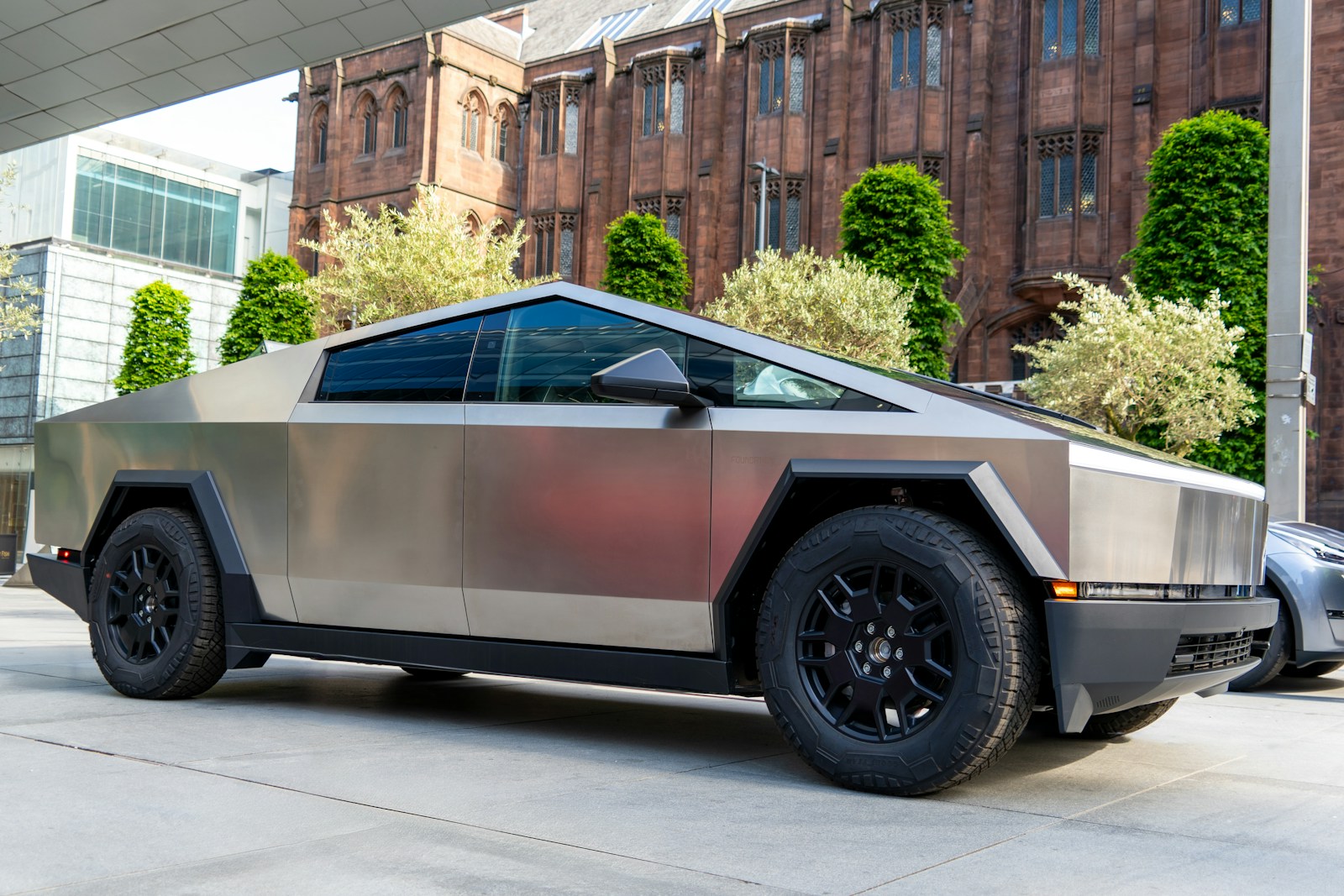
Let’s talk about the Cybertruck’s stainless steel exoskeleton. This isn’t just a fancy design choice—it’s a game-changer when it comes to durability. The exoskeleton is made from ultra-hard 30X cold-rolled stainless steel, which is the same material used in SpaceX’s Starship. That means it’s built to withstand extreme conditions, from off-road adventures to heavy-duty towing.
But what does this mean for towing? For starters, the exoskeleton provides incredible strength at the hitch point, ensuring that the Cybertruck can handle heavy loads without breaking a sweat. It’s also highly resistant to corrosion, which is a big plus if you’re towing near saltwater or in harsh weather conditions. In short, the Cybertruck’s exoskeleton isn’t just tough—it’s practically indestructible. And let’s be honest, who doesn’t want a truck that can double as a tank?
Software Enhancements
Last but not least, the Cybertruck comes with a suite of software enhancements designed to optimize towing performance. One of the most useful is Tow Mode, which adjusts the truck’s regenerative braking system to provide smoother deceleration when towing. This not only improves safety but also helps preserve battery life, which is crucial when you’re hauling heavy loads.
Another cool feature is the integration with Tesla’s Autopilot system. While Autopilot isn’t fully autonomous, it can assist with tasks like lane-keeping and adaptive cruise control, making long hauls less stressful. However, it’s worth noting that Autopilot has some limitations when towing, so you’ll still need to keep your hands on the wheel and your eyes on the road. Still, these software enhancements make the Cybertruck one of the most advanced towing vehicles on the market, and they’re a big part of what sets it apart from the competition.

Range While Towing
One of the biggest concerns for EV truck owners is range—especially when towing heavy loads. The Cybertruck’s impressive specs on paper might get you excited, but how does it hold up in real-world towing scenarios? Let’s dive into the details.
How Much Range Is Lost?
When it comes to towing, the Cybertruck’s range takes a significant hit. Towing a heavy load increases aerodynamic drag and energy consumption. Tesla’s Tri Motor Cybertruck (Cyberbeast) boasts a range of over 340 miles on a full charge, but towing a max load of 11,000 lbs can reduce that range by 30-50%. That means you’re looking at roughly 170 miles of range when hauling a heavy trailer or boat. To put it into perspective:
- No load: 340+ miles
- Towing a 5,000-lb trailer: ~240 miles
- Towing an 11,000-lb trailer: ~170 miles
This range reduction is not unique to the Cybertruck. Even the Ford F-150 Lightning and Rivian R1T experience similar drops in range when towing near their max capacity. However, the Cybertruck’s larger battery pack gives it a slight edge in this department.
Charging Challenges
Towing long distances in an EV isn’t just about range—it’s also about charging accessibility. The Tesla Supercharger network is one of the most extensive charging infrastructures in the world, but not all Supercharger stations have pull-through spots designed for trailers. This means you might have to disconnect your trailer to charge, which can be a hassle.
Here are some practical tips for charging while towing:
- Plan your route: Use Tesla’s built-in navigation to locate Superchargers with pull-through bays.
- Extra time: Budget additional time for charging, as towing can slow down the process.
- Battery cooling: Keep an eye on battery temperatures, especially during heavy use or in hot weather.
Tesla has announced plans to expand its Supercharger V4 network with more trailer-friendly stations, but until then, early adopters will need to plan carefully.
Real-World Towing Scenarios
So, what does towing with the Cybertruck look like in real life? Let’s explore a few common scenarios:
| Scenario | Cybertruck Range | Considerations |
|---|---|---|
| Hauling a boat | ~200 miles | Plan for Supercharger stops near waterways. |
| Towing a camper | ~170 miles | Use campgrounds with EV charging stations. |
| Transporting equipment | ~240 miles | Check payload capacity for tools and materials. |
For example, if you’re planning a road trip from Los Angeles to Las Vegas with a camper, you’ll need to account for at least one charging stop along the way. The good news? The Cybertruck’s adaptive suspension and trailer sway control make towing smoother and more stable, even on long trips.
FAQs
Here are answers to some of the most frequently asked questions about the Cybertruck’s towing capacity:
Q1: What is the Cybertruck’s max towing capacity?
A: The Cybertruck can tow up to 11,000 lbs in its Tri Motor (Cyberbeast) configuration. This is slightly less than the initially claimed 14,000 lbs but still competitive in the EV truck market.
Q2: How does towing affect the Cybertruck’s range?
A: Towing a heavy load can reduce the Cybertruck’s range by 30-50%, depending on the weight of the trailer and driving conditions.
Q3: Can the Cybertruck tow better than the F-150 Lightning?
A: The Cybertruck offers a higher peak towing capacity (11,000 lbs vs. 10,000 lbs for the F-150 Lightning Extended Range). However, the F-150 Lightning has better charging infrastructure and more practical features for towing, like Pro Trailer Hitch Assist.
Q4: Does the Cybertruck have a built-in brake controller?
A: Yes, the Cybertruck comes with an integrated trailer brake controller for better stopping power when towing heavy loads.
Q5: How does cold weather affect towing range?
A: In cold weather, towing range can drop by an additional 20%, so plan for more frequent charging stops if you’re hauling in winter conditions.
AI Solutions: How Could AI Optimize Towing?
Predictive Load Management
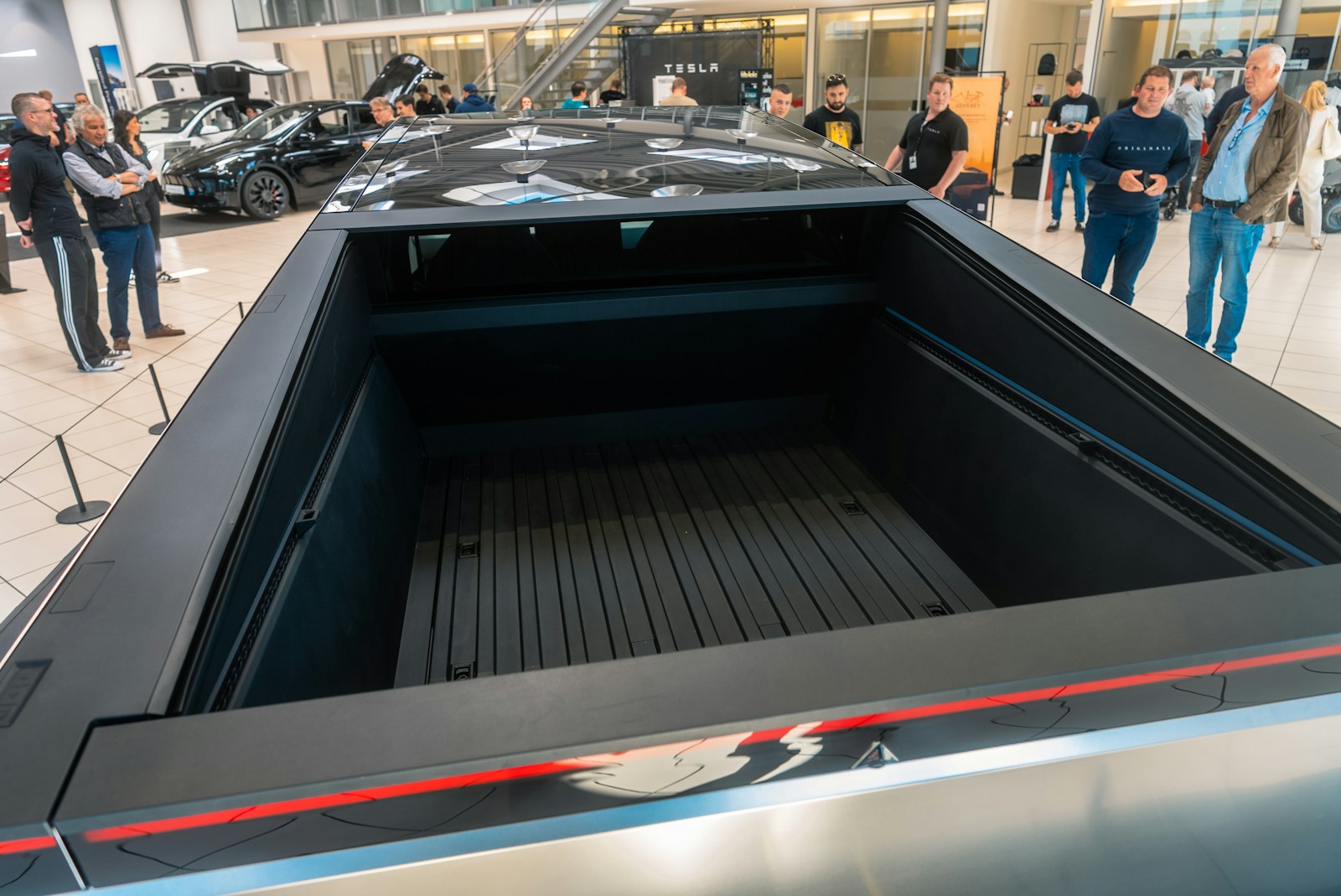
One of the most promising applications of AI in towing is predictive load management. By leveraging advanced sensors and machine learning algorithms, the Cybertruck could analyze the weight distribution of a trailer in real-time. This would allow the vehicle to make dynamic adjustments to its suspension, regenerative braking, and power delivery. For instance, if the AI detects that the trailer is unevenly loaded, it could suggest redistributing the weight or automatically adjust the air suspension to maintain stability. This not only enhances safety but also improves efficiency by reducing unnecessary strain on the battery.
Smart Route Planning
Another game-changing feature could be AI-powered smart route planning. Tesla’s navigation system, already renowned for its integration with the Supercharger network, could take towing to the next level. By factoring in the weight of the trailer, terrain, and weather conditions, the AI could calculate the most efficient route and optimal charging stops. Imagine the Cybertruck suggesting a detour to avoid a steep hill or scheduling a charging break just before a long stretch of highway. This would minimize range anxiety and ensure that drivers can focus on the road rather than constantly worrying about their next charge.
Autonomous Trailer Assistance
Finally, autonomous trailer assistance could revolutionize the towing experience. Tesla’s Autopilot system, while not yet fully autonomous, could be adapted to assist with trailer-related tasks. For example, the Cybertruck could use its cameras and sensors to self-park a trailer in a tight spot or detect obstacles while reversing. This would be particularly useful for drivers who are less experienced with towing. Additionally, the AI could provide real-time feedback on trailer sway and suggest corrective actions, such as reducing speed or adjusting the hitch angle.
Action Schedule/Roadmap
Day 1-7: Initial Testing & Benchmarking
Begin with dyno testing under various loads to establish baseline performance metrics. Collaborate with Tesla’s engineering team to conduct thermal stress analysis on the battery packs, ensuring they can handle prolonged towing without overheating. Partner with Rivian and Ford to share data and best practices, fostering a collaborative approach to EV towing innovation.
Week 1-4: Software Optimization
Task Tesla’s AI team with refining the Tow Mode algorithms. Focus on improving predictive load management and smart route planning. Integrate feedback from beta testers to fine-tune the system. Simultaneously, work on enhancing the Autopilot’s trailer assistance features, ensuring they are intuitive and reliable. Collaborate with NVIDIA to leverage their expertise in AI and machine learning for real-time data processing.
Month 1-3: Real-World Trials
Launch a series of real-world trials in partnership with RV and boat manufacturers. Test the Cybertruck’s towing capabilities in diverse conditions, from mountainous terrains to coastal highways. Collect data on range, efficiency, and user experience. Engage with Camping World and Bass Pro Shops to gather insights from outdoor enthusiasts. Use this feedback to make iterative improvements to both hardware and software.
Year 1-2: Infrastructure Expansion
Accelerate the rollout of Supercharger V4 stations with extended trailer bays, ensuring that Cybertruck owners have ample space to charge while towing. Partner with Electrify America and ChargePoint to expand the charging network in rural and remote areas. Advocate for government incentives to support the development of EV towing infrastructure. By the end of Year 2, aim to have a robust network that supports long-haul towing across the country.
The Future of Towing: A New Era of Efficiency and Innovation
The Tesla Cybertruck is more than just a vehicle; it’s a symbol of the future—a future where technology and sustainability converge to redefine what’s possible. While its towing capacity is undeniably impressive, the real game-changer lies in its AI-driven solutions. From predictive load management to smart route planning and autonomous trailer assistance, the Cybertruck is poised to revolutionize the towing experience.
However, the journey doesn’t end here. As we look ahead, it’s clear that collaboration and innovation will be key to unlocking the Cybertruck’s full potential. By working together—manufacturers, governments, and consumers—we can build a future where towing is not just efficient but also sustainable. The Cybertruck is a bold step in that direction, but it’s up to all of us to keep pushing the boundaries of what’s possible.
So, as you consider your next vehicle purchase, ask yourself: Are you ready to embrace the future of towing? Are you prepared to be part of a movement that’s redefining the way we think about transportation? The Cybertruck is more than just a truck; it’s a call to action—a challenge to rethink our assumptions and embrace a new era of innovation. The road ahead is long, but with the Cybertruck, the journey promises to be nothing short of extraordinary.
Here’s the detailed FAQ section in HTML format:
Frequently Asked Questions (FAQ)
Q1: What is the Cybertruck’s maximum towing capacity?
A: The Tesla Cybertruck’s towing capacity depends on the model:
- Single Motor RWD: 7,500 lbs
- Dual Motor AWD: 10,000 lbs
- Tri Motor AWD (Cyberbeast): 11,000 lbs (originally claimed 14,000 lbs)
For comparison, the Rivian R1T maxes out at 11,000 lbs, while the Ford F-150 Lightning can tow up to 10,000 lbs.
Q2: How much does towing reduce the Cybertruck’s range?
A: Towing heavy loads can slash range by 30–50%. For example:
- Tri Motor (340+ miles): ~170 miles when towing 11,000 lbs.
- Dual Motor (300+ miles): ~150 miles under max load.
Factors like speed, terrain, and weather (cold weather worsens drain) also play a role.
Q3: Can the Cybertruck tow better than gas trucks like the Ford F-150?
A: It out-tows many gas trucks (e.g., F-150’s max is 14,000 lbs), but range and charging logistics are hurdles. Key trade-offs:
| Truck | Max Towing | Range When Towing |
|---|---|---|
| Cybertruck (Tri Motor) | 11,000 lbs | ~170 miles |
| F-150 Lightning | 10,000 lbs | ~140 miles |
| Ram 1500 (gas) | 12,750 lbs | ~300 miles per tank |
Q4: Does the Cybertruck have built-in trailer brakes?
A: Yes! It includes integrated trailer brake controls and Tow Mode for stability. Other smart features:
- Adaptive suspension: Auto-levels with heavy loads.
- Trailer sway detection: Uses sensors to correct fishtailing.
Q5: Can I charge the Cybertruck with a trailer attached?
A: It’s tricky. Most Superchargers aren’t designed for trailers. Workarounds:
- Detach the trailer to charge (annoying but doable).
- Use V4 Superchargers (future models may have pull-through stalls).
Q6: How does the Cybertruck’s stainless steel body affect towing?
A: The exoskeleton adds durability but has trade-offs:
- Pros: Resists dents/corrosion; strong hitch mounting points.
- Cons: Heavy (reduces payload capacity slightly).
Q7: Will Autopilot work while towing?
A: Partially. Basic Autopilot (lane-keeping, cruise control) functions, but Full Self-Driving (FSD) is disabled for safety.
Q8: What’s the best Cybertruck model for towing?
A: The Tri Motor Cyberbeast (11,000 lbs) is ideal for heavy loads, but the Dual Motor (10,000 lbs) offers better value. Avoid the Single Motor (7,500 lbs) for serious towing.
Q9: Can the Cybertruck tow uphill without overheating?
A: Tesla’s battery cooling system is robust, but sustained uphill towing in hot climates may trigger throttling. Tips:
- Drive at moderate speeds (65 mph or less).
- Pre-cool the battery before steep climbs.
Q10: Where can I learn more about Cybertruck towing?
A: Check out these resources:
Wait! There's more...check out our gripping short story that continues the journey: Zeno-X: The Battle of the Cyborgs

Disclaimer: This article may contain affiliate links. If you click on these links and make a purchase, we may receive a commission at no additional cost to you. Our recommendations and reviews are always independent and objective, aiming to provide you with the best information and resources.
Get Exclusive Stories, Photos, Art & Offers - Subscribe Today!
Related posts:
 Best Trucks for Towing in 2025 Ranked by Capacity?
 Tacoma vs Tundra Towing Capacity: Which is Better?
 Which Trim Tows the Most in Tundra Towing Capacity?
 What Is the Chevrolet Silverado 1500 Towing Capacity by Trim Level?
 What Is the Ford F-350 Towing Capacity for Max Gooseneck and Fifth-Wheel Ratings?


Post Comment
You must be logged in to post a comment.