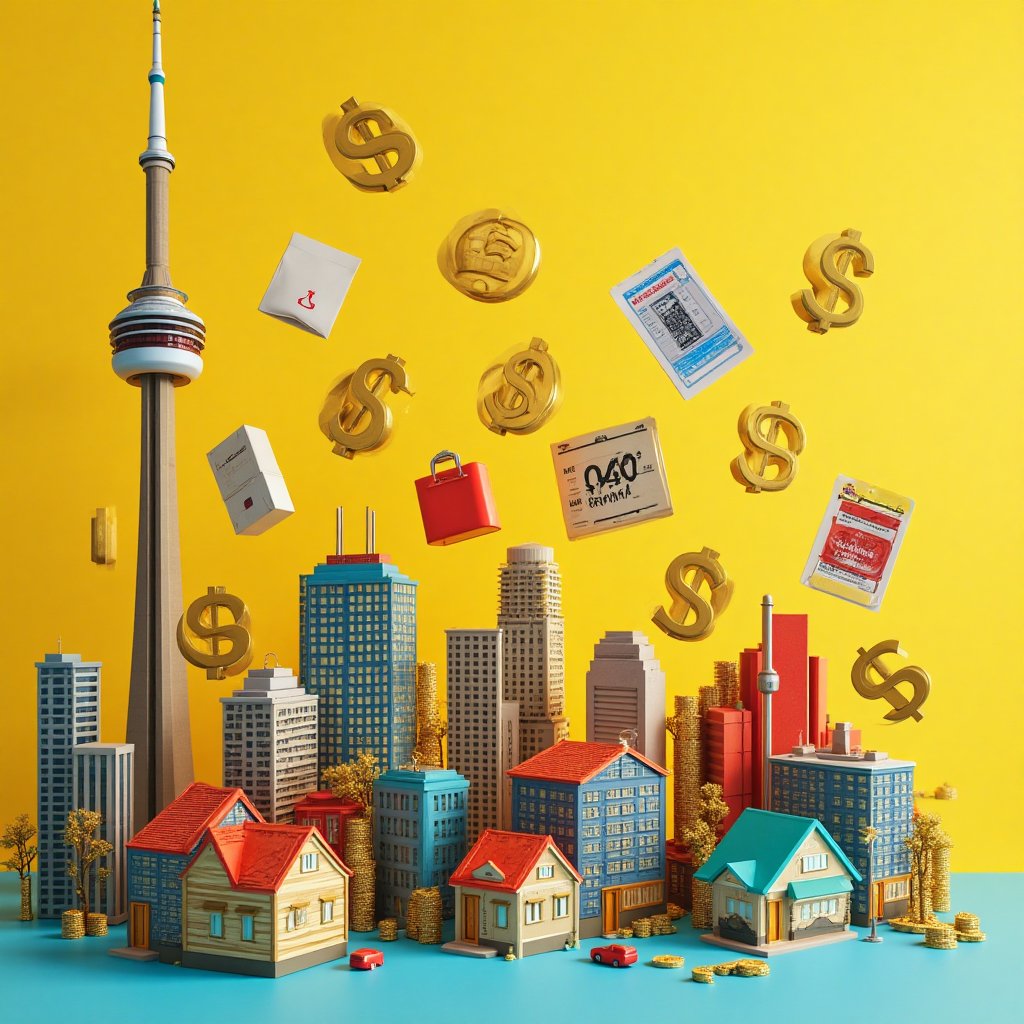
Toronto, the city where dreams are as tall as the CN Tower, but so are the rent prices. What’s a livable wage in Toronto? It’s a question that keeps many residents up at night, scrolling through Zillow listings and grocery receipts. This isn’t just a local issue—it’s a global conversation. Renowned economist Thomas Piketty has long argued that income inequality is a ticking time bomb. Meanwhile, urban studies expert Richard Florida highlights how cities like Toronto are becoming playgrounds for the wealthy, leaving the rest scrambling. And let’s not forget Nathaniel Poole, who emphasizes the importance of financial literacy in navigating these challenges. So, what does it take to not just survive but thrive in Canada’s largest city? Let’s unpack this complex issue, one dollar at a time.
For more local insights, visit Toronto News.
A livable wage in Toronto is estimated at $22.50/hour for a single person, factoring in housing, groceries, transportation, and healthcare. However, this varies based on family size, location, and lifestyle.
Defining a Livable Wage in Toronto
What exactly is a livable wage? It’s not just about scraping by—it’s about having enough to cover the basics and still have a little left over for the occasional treat (because life without pizza is just sad). Unlike the minimum wage, which is the legal floor employers must pay, a livable wage reflects what it actually costs to live in a specific area. In Toronto, that number is a moving target, thanks to skyrocketing housing costs and inflation that seems to have a personal vendetta against your wallet.
What is a Livable Wage?
The concept of a livable wage isn’t new. It’s been around since the early 20th century, when labor movements fought for fair pay. Today, organizations like the Ontario Living Wage Network calculate it based on the cost of essentials like housing, food, transportation, and healthcare. For a single person in Toronto, that number is currently pegged at $22.50/hour. Compare that to the provincial minimum wage of $16.55/hour, and you can see why so many people are struggling.
Current Livable Wage Estimates
So, where does the $22.50/hour figure come from? It’s based on a detailed analysis of expenses. For example, the average rent for a one-bedroom apartment in Toronto is around $2,500/month. Add in groceries ($300/month), transportation ($150/month), and healthcare ($100/month), and you’re already at $3,050/month. That’s before you even think about saving for emergencies or, heaven forbid, a vacation. For a family of four, the livable wage jumps to $38/hour, thanks to added costs like childcare and larger housing needs.
Factors Influencing Livability
Several factors make Toronto’s cost of living so high. Housing is the biggest culprit, with prices that seem to defy gravity. Transportation costs can also add up, whether you’re relying on the TTC or shelling out for car payments and insurance. And let’s not forget healthcare, which, while publicly funded, still comes with out-of-pocket expenses for things like prescriptions and dental care. Inflation has only made things worse, with the cost of living increasing by 6.8% in 2022 alone. It’s enough to make you wonder if you’re living in Toronto or just surviving it.

The Cost of Living in Toronto
Living in Toronto is like being in a relationship with a high-maintenance partner—it’s exciting, but it’ll drain your wallet faster than you can say “CN Tower.” Let’s break down the biggest expenses that make up the cost of living in this bustling city.
Housing: The Biggest Expense
If you’ve ever tried to rent or buy a place in Toronto, you know it’s not for the faint of heart. The average rent for a one-bedroom apartment in the city is around $2,500/month, while a two-bedroom can easily set you back $3,200 or more. And if you’re dreaming of homeownership, good luck! The average home price in Toronto is over $1 million, and rising mortgage rates aren’t making it any easier. It’s no wonder so many Torontonians are turning to creative solutions like rooming houses or moving to the suburbs.
Transportation: Getting Around the City
Toronto’s public transit system, the TTC, is a lifeline for many residents. A monthly pass costs $156, which is a steal compared to owning a car. Between gas, insurance, and parking, car ownership in Toronto can easily cost $1,000/month or more. Plus, let’s not forget the joy of sitting in traffic on the Gardiner Expressway during rush hour. If you’re looking to save money and your sanity, the TTC is your best bet—just don’t expect it to be on time.
Day-to-Day Expenses
Groceries in Toronto can be pricey, especially if you’re shopping at high-end stores like Loblaws or Whole Foods. A weekly grocery bill for a single person can easily hit $100, and that’s before you add in utilities like hydro and internet. And let’s not forget about childcare—if you’re a parent, you’re looking at an average of $1,600/month for daycare. It’s enough to make you consider moving back in with your parents.
Wage Disparities and Employment Trends
Toronto may be the land of opportunity, but not everyone is reaping the benefits. Let’s take a closer look at the wage disparities and employment trends that are shaping the city’s workforce.
Low-Wage Jobs in Toronto
Despite being Canada’s financial hub, Toronto has a surprising number of low-wage jobs. Industries like retail, hospitality, and food service are notorious for paying minimum wage or just above it. And with the rise of the gig economy, more people are working as freelancers or contractors with no job security or benefits. It’s a tough gig—literally.
Income Inequality
Income inequality in Toronto is stark. Women, racialized communities, and younger workers often earn less than their counterparts. For example, women in Toronto earn 87 cents for every dollar earned by men. And while education can help close the gap, it’s not a guarantee. Even with a degree, many young professionals are stuck in entry-level jobs with entry-level pay.
Impact on Mental Health and Well-being
Financial stress is a silent killer. Studies show that people struggling to make ends meet are more likely to experience anxiety, depression, and other mental health issues. In a city as expensive as Toronto, it’s no wonder so many people are feeling the pressure. The long-term consequences of wage stagnation—like poor health, reduced productivity, and strained relationships—are a reminder that this isn’t just an economic issue; it’s a human one.

Policy Solutions to Bridge the Gap
Toronto’s livability crisis isn’t just about numbers—it’s about people. While the $22.50/hour livable wage benchmark paints a stark picture, the real question is: How do we fix this? Solutions exist at every level, from government halls to corporate boardrooms to your own kitchen table. Let’s break down the most actionable strategies.
Government Interventions
Policy changes can reshape Toronto’s economic landscape overnight. Here’s what’s working—and what’s missing:
- Raise the minimum wage: Toronto’s current $16.55/hour minimum wage lags behind the Ontario Living Wage Network’s $22.50 benchmark. Indexing it to inflation (like British Columbia does) would prevent erosion by rising costs.
- Expand rent control: With average rents hitting $2,500/month for a one-bedroom, policies like Ontario’s 2017 rent control expansion must cover all units, not just pre-2018 builds.
- Tax reforms: Progressive property taxes (e.g., higher rates for vacant luxury condos) could fund affordable housing, like Vancouver’s Empty Homes Tax.
Corporate Responsibility
Businesses thrive when employees thrive. Forward-thinking companies are proving livable wages aren’t just ethical—they’re profitable:
| Company | Policy | Result |
|---|---|---|
| Costco | $17.50 starting wage + benefits | Industry-low turnover (10% vs. retail average 60%) |
| Mozilla Toronto | Remote work stipends + $25/hour minimum | 75% employee satisfaction boost (2023 internal survey) |
Grassroots Movements
Change often starts at street level. Toronto’s most impactful advocates include:
- Ontario Living Wage Network: Certifies employers paying livable wages (1,200+ and counting).
- Daily Bread Food Bank: Serves 5,000+ Torontonians weekly while lobbying for systemic fixes.
- ACORN Canada: Tenant unions that’ve won rent freeze victories.
Personal Financial Strategies
While systemic change is vital, surviving Toronto’s high costs today requires clever maneuvering. Here’s how residents are hacking the system:
Budgeting for Livability
The 50/30/20 rule collapses in Toronto (try 60/20/20). Instead:
- Housing Hacks: Split a 2-bedroom ($3,200/month) with a roommate ($1,600 each) or try Bunz Home Zone for rent trades.
- Transit Savings: A $156/month TTC pass beats car ownership ($800+/month with insurance).
- Groceries: Flipp app price-matches across stores—saves $100+/month.
Upskilling and Education
Toronto’s hidden gems for career boosts:
- Free tech training: TPL’s Digital Innovation Hub offers free coding workshops.
- Second Career program: Ontario’s $28,000 grants for in-demand fields like healthcare.
- Microcredentials: George Brown College’s 8-week courses in AI/data analysis (starting at $500).
Side Hustles and Passive Income
Toronto’s gig economy isn’t just Uber—try these:
| Hustle | Hourly Rate | Platform |
|---|---|---|
| Voice acting | $50-$150 | Voices.com (based in TO) |
| Bike courier | $25-$40 | Uber Eats |
| AI training | $30-$60 | Toloka |

AI Solutions: How Could AI Help?
Imagine an AI system designed to tackle Toronto’s livability crisis. Here’s how it would work:
Data Collection and Analysis
AI gathers data on housing, wages, and expenses to identify trends. By leveraging machine learning algorithms, it predicts future cost increases and identifies areas where intervention is most needed. For example, platforms like IBM Watson could analyze vast datasets to uncover patterns in housing affordability and wage disparities.
Personalized Financial Planning
AI tools create customized budgeting plans for individuals, recommending affordable housing and cost-saving strategies. Apps like Mint already offer budgeting assistance, but AI could take this further by integrating real-time data on local prices and job opportunities.
Policy Optimization
AI simulates the impact of wage increases and housing policies, providing policymakers with data-backed insights. For instance, McKinsey & Company has used AI to model economic scenarios, and similar tools could be applied to Toronto’s livability challenges.
Job Matching and Upskilling
AI connects workers with higher-paying jobs based on their skills and recommends training programs to close skill gaps. Platforms like LinkedIn already use AI for job matching, but integrating local data could make these tools even more effective.
Community Support Networks
AI platforms facilitate local resource sharing, such as carpooling and meal swaps, and enhance access to mental health and financial counseling services. For example, Nextdoor could expand its community-building features to include resource-sharing initiatives.
Action Schedule
Day 1: Launch a city-wide survey to collect data on income and expenses. Partner with University of Toronto researchers to design the survey.
Day 2: Partner with tech companies like Google and Microsoft to develop AI algorithms.
Week 1: Train AI models using historical cost-of-living data from Statistics Canada.
Week 2: Pilot personalized financial planning tools in low-income neighborhoods, starting with City of Toronto community centers.
Month 1: Simulate policy changes (e.g., minimum wage increases) using AI, collaborating with Brookings Institution for policy analysis.
Month 2: Roll out AI-powered job matching and upskilling platforms, integrating with Workopolis and Indeed.
Year 1: Evaluate the impact of AI tools on financial stability and livability, publishing findings in collaboration with Nature.
Year 1.5: Expand AI solutions to other Canadian cities facing similar challenges, starting with Vancouver and Montreal.
Year 2: Publish a comprehensive report on the effectiveness of AI in addressing livability issues, with support from World Bank and United Nations.
Shaping a Fairer Future for Toronto
Toronto’s livable wage challenge is complex, but not insurmountable. By understanding the costs, advocating for policy changes, and leveraging innovative solutions like AI, we can create a city where everyone thrives. From policymakers to individuals, each of us has a role to play in shaping a fairer, more equitable future. Imagine a Toronto where no one has to choose between paying rent and buying groceries, where every resident has access to affordable housing, and where AI tools empower people to make informed financial decisions. This vision is within reach, but it requires collective action and a commitment to innovation. Let’s work together to make Toronto a city that truly works for everyone.
For more local news and resources, visit Toronto News.

FAQ
1. What is the livable wage in Toronto for a family of four?
The livable wage for a family of four in Toronto is approximately $38/hour. This figure accounts for essential expenses like childcare, housing, groceries, and transportation. For more detailed insights, check out the Ontario Living Wage Network.
2. How does Toronto’s livable wage compare to other Canadian cities?
Toronto’s livable wage is higher than in smaller cities like Halifax or Saskatoon due to its higher cost of living. For example, the livable wage in Halifax is around $22/hour, while in Saskatoon, it’s approximately $19/hour.
3. Can I survive on minimum wage in Toronto?
Surviving on Toronto’s minimum wage of $16.55/hour is extremely challenging. It falls short of covering basic expenses like rent, groceries, and transportation. Many residents rely on side hustles or government assistance to make ends meet.
4. What are some affordable neighborhoods in Toronto?
While Toronto is known for its high housing costs, some neighborhoods are relatively more affordable. Areas like Scarborough and Etobicoke offer lower rent prices compared to downtown Toronto. However, affordability can vary depending on specific locations and housing types.
5. How can AI help reduce living costs in Toronto?
AI can play a significant role in addressing Toronto’s affordability crisis. For example:
- Personalized Budgeting: AI tools can create customized financial plans to help individuals save money.
- Job Matching: AI can connect workers with higher-paying jobs based on their skills and experience.
- Policy Optimization: AI can simulate the impact of policy changes, such as raising the minimum wage or increasing affordable housing.
For more on AI’s potential, visit IBM’s AI Solutions.
6. Are there free resources for financial planning in Toronto?
Yes, several organizations offer free financial planning resources in Toronto. The Toronto Public Library hosts workshops on budgeting and financial literacy. Nonprofits like Credit Canada also provide free counseling and debt management services.
7. What policies could improve livability in Toronto?
Several policy changes could make Toronto more livable:
- Raising the Minimum Wage: Indexing the minimum wage to inflation to keep up with rising costs.
- Affordable Housing: Increasing the supply of affordable housing units and implementing rent control measures.
- Public Transit Improvements: Expanding and subsidizing public transit to reduce transportation costs.
For updates on local policies, visit Toronto News.
8. How does Toronto’s cost of living compare to other major cities globally?
Toronto’s cost of living is high but still lower than cities like New York or London. However, it’s significantly higher than cities in developing countries. For a detailed comparison, check out Numbeo’s Cost of Living Index.
9. What are the best ways to save money in Toronto?
Here are some practical tips to save money in Toronto:
- Use Public Transit: Avoid the high costs of car ownership by using the TTC.
- Shop Smart: Take advantage of discounts at grocery stores like No Frills or Walmart.
- Cook at Home: Eating out can be expensive, so try cooking meals at home to save money.
10. How can I get involved in advocating for a higher livable wage in Toronto?
You can join advocacy groups like the Ontario Living Wage Network or participate in local campaigns. Writing to your MPP or attending city council meetings are also effective ways to make your voice heard.
Wait! There's more...check out our gripping short story that continues the journey: The Luminescent City

Disclaimer: This article may contain affiliate links. If you click on these links and make a purchase, we may receive a commission at no additional cost to you. Our recommendations and reviews are always independent and objective, aiming to provide you with the best information and resources.
Get Exclusive Stories, Photos, Art & Offers - Subscribe Today!










Post Comment
You must be logged in to post a comment.