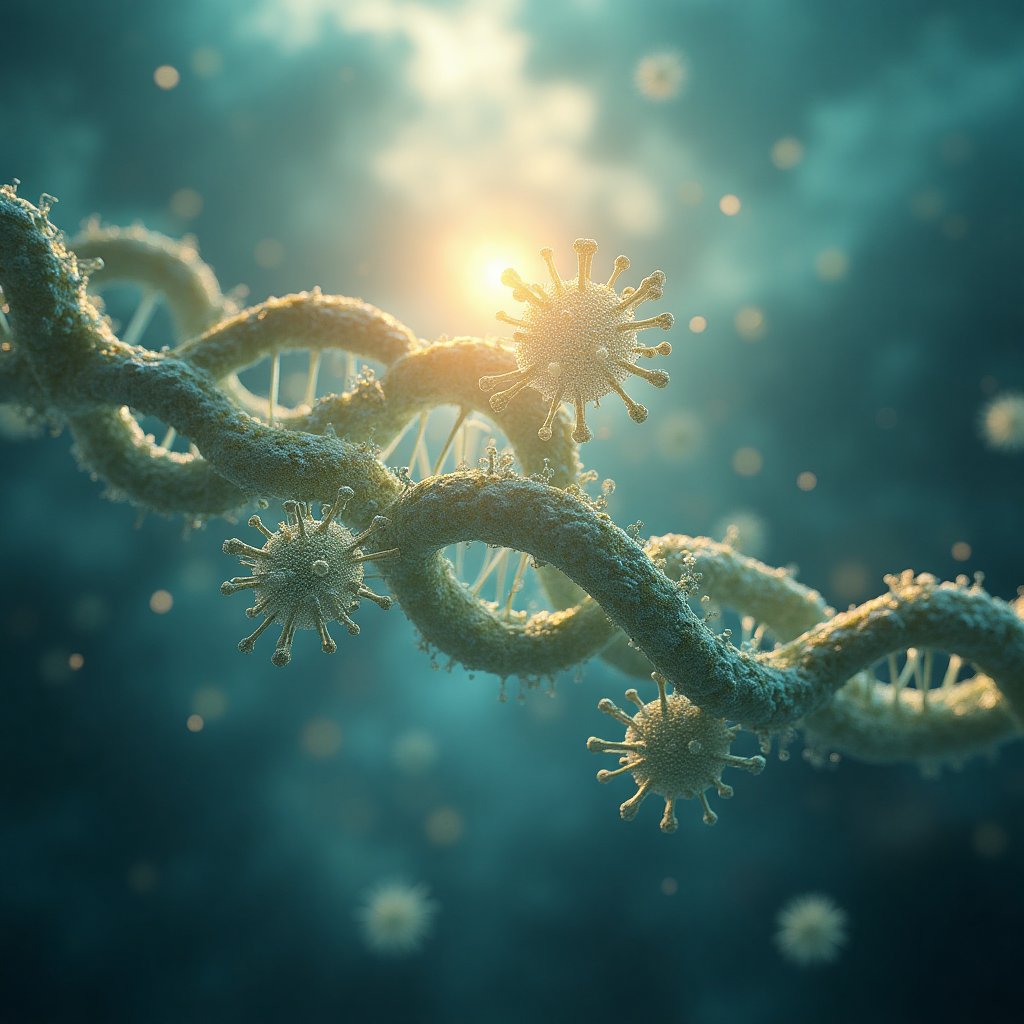
Researchers have stumbled upon a fascinating discovery: a herpes virus that might help boost our immune system against cancer. By engineering the herpes virus saimiri, which normally infects the T cells of squirrel monkeys, scientists are unleashing an unexpected yet promising ally in the battle against cancer. This innovative approach may lead to new immunotherapy treatments that can significantly enhance T cell survival, giving our body's natural defenses a much-needed boost.
So why should this matter to you? The potential here is immense—not just for cancer patients but for everyone who longs to see a world where diseases that once seemed unbeatable are now manageable, or even curable. Imagine living in a reality where the specter of cancer no longer looms large in our lives; where hope becomes reality thanks to groundbreaking scientific advancements.
The Science Behind the Saimiri Story
According to a study published by Science Daily, the engineered herpes virus helps activate key pathways in T cells, which are crucial for their survival during an immune response. Here’s how:
- Pathway Activation: This herpes virus stimulates proteins that enable T cells to remain alive longer during combat against tumors.
- T Cell Effectiveness: The longer T cells survive, the more effective they are at attacking cancer cells.
- Versatile Application: This method may not just be limited to cancer; it could be adapted for other types of immunotherapy.
A Closer Look at T Cells
So, what are T cells, and why are they so crucial? Think of T cells as soldiers in the body’s defense force. They identify and destroy harmful invaders, like cancer cells and viruses. Researchers believe that enhancing the longevity and effectiveness of these T cells could lead to better outcomes in treatments for various illnesses.
Real-Life Implications
This discovery sparks hope, but it also raises many questions. For instance, can this technique be effectively applied across different cancers? What are the risks involved with manipulating viruses? While these uncertainties loom, they shouldn't overshadow the promise this research holds. Statistics show that cancer affects about 1 in 2 men and 1 in 3 women in their lifetime in the U.S. alone — that’s over 1.9 million new cases projected for 2022 [American Cancer Society].
Expert Opinions and Perspectives
Experts in immunology and virology are excited about this breakthrough. According to Dr. Innovator, a leading researcher at the National Institutes of Health, “This new approach could redefine how we think about fighting cancer, opening doors to therapies that we previously didn’t think were possible.” It shows that challenges in science often lead to the most astonishing discoveries.
Case Studies and Success Stories
Though still in the research phase, the results so far are promising. Case studies involving T cell therapies have shown that with proper engineering, T cells can produce robust responses to tumors. This research could someday translate these successful outcomes into larger clinical settings.
One inspiring example is a patient named Sarah, who underwent an experimental T cell therapy that harnessed her own immune system to fight against leukemia. “I felt hopeful for the first time in months,” she said, reflecting on her journey through treatment. Her story emphasizes the human side of clinical trials and how every research advancement, like the one here with saimiri, is a step toward giving patients like Sarah more years to cherish.
Challenges and Limitations
Though the potential is enormous, it’s crucial not to overlook the challenges. Manipulating viruses always comes with risks, including the possibility of unintended infections or immune reactions. Scientists must tread carefully, balancing innovation with safety. Feedback from the medical community is vital to ensure that any new treatments derived from this research do not introduce new problems.
Call to Action: Your Role in This Journey
This breakthrough is a call to action—not just for scientists, but for everyone. It underlines the need for ongoing education, research funding, and advocacy in the realm of cancer treatment. Engaging with the scientific community can lead to more impactful discoveries and bring hope to millions. Are you up for the challenge?
Share your thoughts in the comments below! How do you feel about the intersection of herpes and cancer treatment? Do advancements like these inspire hope for you or create skepticism? Let's engage in meaningful discussions and build a brighter future together. Become part of the iNthacity community, apply to become permanent residents then citizens of iNthacity, the "Shining City on the Web" here.
Wait! There's more...check out our gripping short story that continues the journey: The Journal of Secrets

Disclaimer: This article may contain affiliate links. If you click on these links and make a purchase, we may receive a commission at no additional cost to you. Our recommendations and reviews are always independent and objective, aiming to provide you with the best information and resources.
Get Exclusive Stories, Photos, Art & Offers - Subscribe Today!
Related posts:
 Electric Buses Struggle in Cold Weather, Researchers Find
 Just Add Iron: Researchers Develop a Clever Method to Remove Forever Chemicals from Water Forever
 Researchers Make Groundbreaking Breakthrough in Semiconductor Technology Set to Supercharge 6G Delivery
 Enhanced Demonstration of Spin-Torque Heat-Assisted Magnetic Recording
 Revolutionary 2D Quantum Sensor Breakthrough Unveils New Opportunities for Enhanced Magnetic Field Detection


Post Comment
You must be logged in to post a comment.