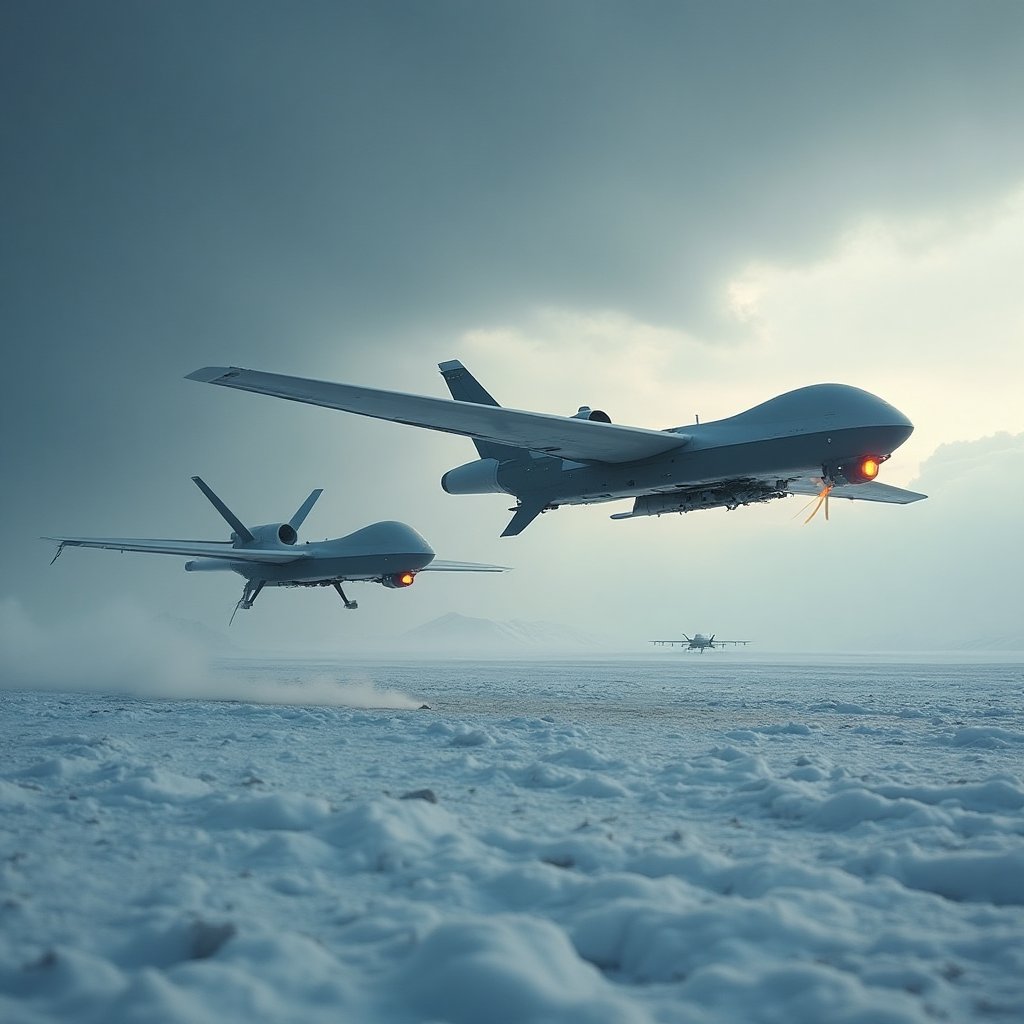
When it comes to drones, the US military is playing catch-up, and the latest exercise in Alaska proves it. According to Farah Stockman of the New York Times, a four-day drone exercise in Alaska exposed glaring technological and operational gaps between US capabilities and those of China and Russia. It’s not just a wake-up call—it’s a full-blown alarm.
The Yukon Training Area in Alaska was supposed to be the stage for showcasing American drone prowess. Instead, it highlighted how far behind the US has fallen. China and Russia are not just keeping pace; they’re setting the pace. So, what’s going wrong, and why should you care? Let’s break it down.
What Happened in Alaska?
The exercise involved drones from Neros, a California-based startup. While the tech was impressive, it wasn’t enough to overshadow the shortcomings. The US drones struggled with range, durability, and adaptability compared to their Chinese and Russian counterparts. It’s like bringing a knife to a gunfight—only the knife keeps jamming.
China’s drones, for instance, are designed for mass production and rapid deployment. Russia’s models are rugged, built to withstand harsh conditions. Meanwhile, US drones are often over-engineered, expensive, and slow to roll out. It’s a classic case of innovation vs. execution.
Why Does This Matter?
Drones are the future of warfare, and the US military knows it. They’re cheaper, faster, and safer than manned aircraft. They can surveil, strike, and strategize without risking human lives. But if the US can’t keep up, it’s not just a military problem—it’s a geopolitical one.
China and Russia are leveraging drone technology to expand their influence globally. From surveillance to combat missions, their drones are everywhere. If the US doesn’t step up, it risks losing its edge—and its allies.
Where’s the Innovation?
The US has no shortage of brilliant minds and cutting-edge companies. So why the lag? Part of the problem lies in bureaucracy. The Pentagon’s procurement process is notoriously slow. By the time a drone gets approved, it’s already outdated.
Another issue is funding. While China invests heavily in drone development, the US often prioritizes other projects. It’s like trying to win a race with one foot on the gas and the other on the brake.
Can the US Catch Up?
Yes, but it won’t be easy. The US needs to streamline its procurement process, boost funding for drone research, and encourage public-private partnerships. Companies like Neros are a step in the right direction, but they can’t do it alone.
Also, the US needs to think beyond military applications. Drones are revolutionizing industries like agriculture, logistics, and disaster response. By investing in civilian drone tech, the military can piggyback on advancements and accelerate its own progress.
What’s Next?
The Alaska exercise isn’t the end—it’s a starting point. The US military must learn from its mistakes and fast-track its drone development. Otherwise, it risks falling further behind in a race it can’t afford to lose.
So, what do you think? Should the US double down on drone innovation, or are there bigger priorities? Let’s discuss in the comments. And if you’re passionate about technology and innovation, join the iNthacity community—the “Shining City on the Web.” Click here to become a permanent resident and share your thoughts with like-minded individuals.
Don’t forget to like, share, and participate in the debate. The future is in your hands.
Disclaimer: This article may contain affiliate links. If you click on these links and make a purchase, we may receive a commission at no additional cost to you. Our recommendations and reviews are always independent and objective, aiming to provide you with the best information and resources.
Get Exclusive Stories, Photos, Art & Offers - Subscribe Today!
Related posts:
 China’s New AI-Powered Jiutian SS-UAV Drone Swarm Raises Global Security Concerns
 China Halts Drone Exports
 Eric Schmidt Reveals AI Bombshell: Why China Could Win the Global AI Race
 Russia After Russia: Analyzing the Post-Putin Landscape
 China Temporarily Shuts Down AI Tools During Nationwide College Exams





1 comment