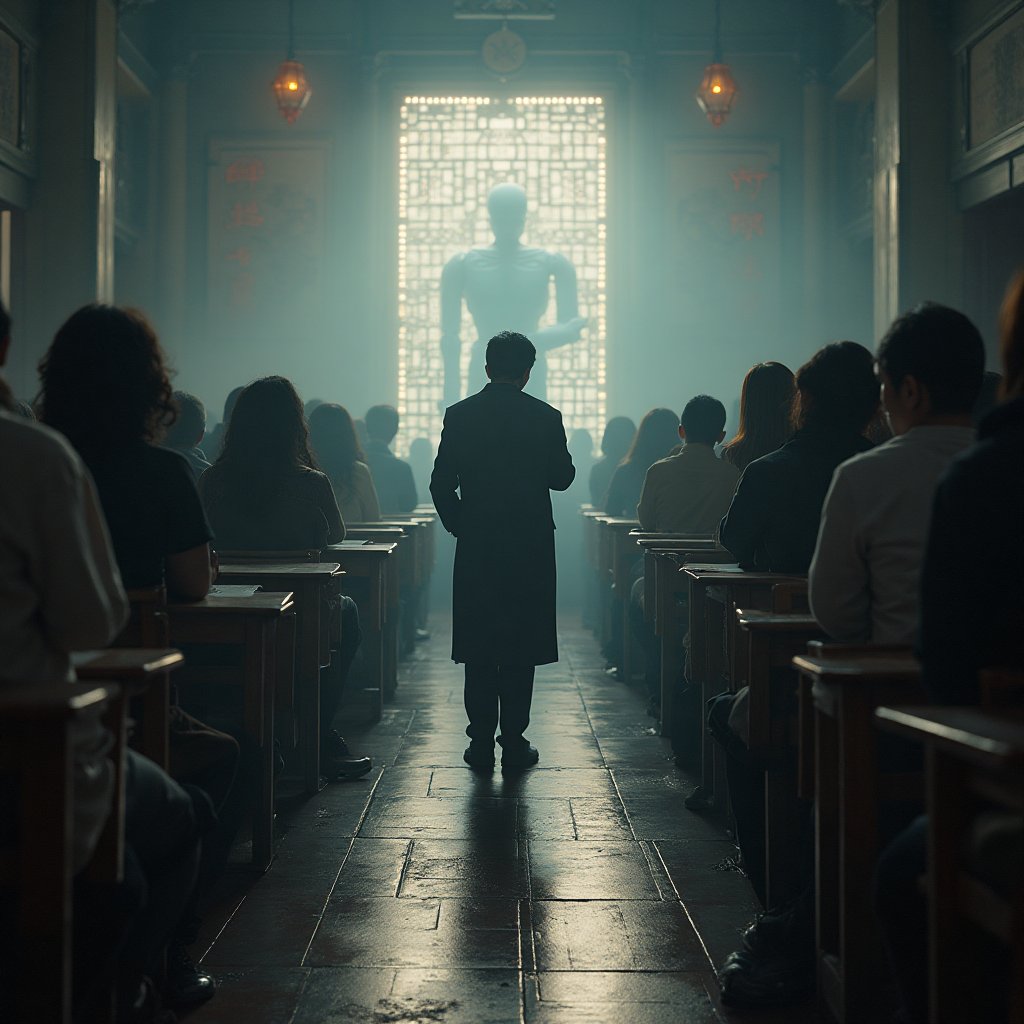
China has taken a bold step by shutting down AI tools during nationwide college exams. This decision has implications not just for students but also for the future of technology and education around the globe. It poses vital questions about how we adapt to new technologies and safeguard traditional practices in commercial education.
The Pushback Against AI in Examinations
Imagine being a student preparing for one of the most important tests of your life. Suddenly, you learn that the AI tools you have been using for homework aid and revision are now off-limits. According to The Verge, this is exactly what is happening in China as local authorities clamp down on AI tools like chatbots during exam season. The goal? To ensure that exams truly reflect a student’s individual capabilities rather than their ability to utilize AI.
How Did We Get Here?
With the rise of artificial intelligence, especially tools like GPT-3 and other chatbots, students began leaning on these technologies for assistance. While it's a tremendous resource, like any tool, it can be misused. Officials have raised concerns over academic integrity, fearing that students may use AI to cheat on exams. This pushback reflects a growing anxiety about the balance between technology's benefits and its potential for misuse.
Statistics That Speak Volumes
- According to a recent study, over 60% of students have admitted to using AI tools for assistance in their studies.
- Surveys show that 70% of educators believe students can misuse AI unfairly.
- In China, approximately 11 million students sit for college entrance exams annually.
Examining All Sides of the Coin
Take a moment to put yourself in the shoes of stakeholders ranging from students to teachers to parents. Students may feel frustrated, deprived of a resource they considered helpful. Teachers, on the other hand, might feel relieved, viewing this as a chance to regain the integrity of the examination process. Parents, too, could have mixed feelings; they want their kids to succeed but wish to foster genuine learning.
A Case Study: The Dilemma of the "Tech-Savvy" Generation
Let’s explore the life of a student named Mei. She was one of millions eager to prepare for her exam. Relying heavily on an AI tool to help her understand complex subjects, Mei felt confident in her knowledge. But when she heard AI would not be allowed during exams, her calm shifted into panic. Would her efforts be enough without AI’s aid? Boxing her in forced a developmental change that she had to adapt to quickly. Stories like Mei's resonate with a generation that has entered a time where technology is an integral lifeline.
The Bigger Picture: Universities and Beyond
While this decision might seem localized, it sends ripples throughout the global education system. Elite institutions, in particular, those in countries with a keen appetite for educational autonomy, might revisit their examination policies as this scenario unfolds. Will others follow China’s footsteps? Here's a look at some respected universities reacting to similar fears:
- Harvard University has initiated discussions on limiting AI use during assessments as it evaluates resource reliance.
- Stanford University is revamping its curricula to better equip students against AI-based cheating.
- The University of Cambridge has announced an academic integrity review focused on modern technological impacts.
What Can Be Done?
So what solutions exist for maintaining academic integrity while leveraging technological growth? Here are some possible approaches:
- Implement tighter monitoring during examinations.
- Introduce AI literacy classes that ensure students know how to leverage AI ethically.
- Encourage open discussions about the role of technology in learning.
Potential Limitations and Concerns
It’s essential to recognize that banning AI tools won’t wholly eradicate cheating. Determined individuals may find other ways to circumvent rules. Instead, the conversation should shift towards responsible integration. Rethinking how we teach students about technology can pave the way for a more enriching educational experience. Furthermore, total reliance on technology can inadvertently alienate those who may not have the same access to resources.
Final Thoughts: Striking a Balance
As we venture deeper into an era dominated by AI, the education system faces one crucial challenge: finding harmony between embracing technology and preserving the essence of learning. China's decision on AI usage reflects a broader societal debate that has implications for students worldwide. If we want to uplift our educational standards without compromising quality, we need to approach the conversation with both caution and excitement.
Questions for Reflection
How do you feel about the use of AI in education? Is the restriction a necessary step to ensure fairness, or does it hinder students' progress? Have you experienced using AI tools in your own study or work? We want to hear your thoughts! Leave a comment below.
Join our growing community at iNthacity: the "Shining City on the Web". Here, you can engage in thought-provoking discussions and share your insights! Like, share, and be part of the conversation as we navigate this exciting yet challenging era together.
Disclaimer: This article may contain affiliate links. If you click on these links and make a purchase, we may receive a commission at no additional cost to you. Our recommendations and reviews are always independent and objective, aiming to provide you with the best information and resources.
Get Exclusive Stories, Photos, Art & Offers - Subscribe Today!
Related posts:
 Ohio State announces every student will now use AI tools in class
 Tariffs: US and China Hold Crucial Trade Talks in London
 China’s Rare Earth Restrictions Disrupt First Auto Industry Production Lines
 CapCut’s New AI Video Editor Is Stunning: Revolutionize Your Editing with AI-Powered Tools
 Google Photos Unveils Redesigned Editor with Powerful New AI Tools



Post Comment
You must be logged in to post a comment.