
Heart attacks are one of the leading causes of death worldwide, but understanding how to treat them can mean the difference between life and death. In this article, we’ll dive deep into the insights shared by Dr. Pradip Jamnadas, MD, a renowned cardiologist from Cardiovascular Interventions in Orlando, Florida. We’ll explore what happens during a heart attack, how to recognize the signs, and the critical steps to take in those first 90 minutes. Plus, we’ll add our own spin, bringing in additional research, practical tips, and a call to action for prevention. Let’s get started!
What Happens During a Heart Attack?
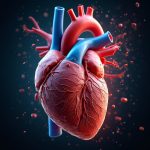
Imagine your arteries as the highways of your body, delivering oxygen-rich blood to your heart. Over time, plaque—a mix of fat, cholesterol, and other substances—can build up in the walls of these arteries. This is called atherosclerosis. When a plaque cracks, it’s like a pothole forming on a busy road. Blood clots rush in to “repair” the damage, but instead, they block the artery completely. This is a heart attack, or myocardial infarction.
Dr. Jamnadas explains that when an artery is blocked, the heart muscle it supplies begins to die. The clock starts ticking: you have less than 90 minutes to restore blood flow before irreversible damage occurs. Symptoms include chest pressure (not pain), sweating, shortness of breath, and a feeling of impending doom. If you or someone you know experiences these symptoms, it’s time to act fast.
How to Treat a Heart Attack: The 90-Minute Window
When a heart attack strikes, every second counts. Here’s what happens in those critical moments:
- Call 911: Don’t drive yourself to the hospital. Paramedics can start treatment immediately and get you to the right facility.
- Take Aspirin: Chewing an aspirin can help thin the blood and reduce clot formation. Keep a bottle of aspirin in your medicine cabinet for emergencies.
- Get to the Cath Lab: In the hospital, doctors will perform an angiogram to locate the blockage. If it’s a STEMI (ST-elevation myocardial infarction), they’ll use a stent to open the artery. A stent is like a tiny spring that squashes the clot and restores blood flow.
Dr. Jamnadas emphasizes that prevention is key. A coronary calcium score can reveal hidden plaque buildup, even if your stress test and echocardiogram are normal. Knowing your score can help you take proactive steps to reduce your risk.
Prevention: The Best Medicine
Heart attacks don’t happen overnight. They’re the result of years of plaque buildup and risk factors like high blood pressure, obesity, and diabetes. Here’s how to protect your heart:
- Know Your Numbers: Get regular checkups to monitor blood pressure, cholesterol, and blood sugar levels.
- Eat Heart-Healthy Foods: Focus on a diet rich in fruits, vegetables, whole grains, and lean proteins. Avoid processed foods and sugary drinks.
- Exercise Regularly: Aim for at least 30 minutes of moderate exercise most days of the week. Even a brisk walk can make a difference.
- Manage Stress: Chronic stress can increase inflammation and make plaques more likely to rupture. Practice mindfulness, yoga, or deep breathing exercises.
As Dr. Jamnadas says, “Prevention means preventing what you need to know what you’re preventing.” Don’t wait for a heart attack to take your health seriously.
The Role of Technology in Heart Health
Modern cardiology has come a long way in the past decade. Tools like the coronary calcium score, advanced imaging techniques, and minimally invasive procedures have revolutionized how we diagnose and treat heart disease. But technology is only as good as the person using it. That’s why it’s crucial to work with a knowledgeable cardiologist who stays up-to-date on the latest research and treatments.
For example, wearable devices like the Apple Watch can monitor your heart rate and alert you to irregularities. While they’re not a substitute for medical care, they can provide valuable insights into your heart health.
Watch Dr. Jamnadas’ Full Video
For a deeper dive into this topic, check out Dr. Jamnadas’ original video below. It’s packed with valuable information and real-world examples that can help you better understand heart attacks and how to treat them.

Final Thoughts: Take Control of Your Heart Health
Heart disease is often called the “silent killer” because it can strike without warning. But by understanding the risks, recognizing the signs, and taking proactive steps, you can protect yourself and your loved ones. Remember, prevention is always better than cure.
So, what’s your coronary calcium score? Have you had a heart health checkup recently? What steps are you taking to reduce your risk? Share your thoughts in the comments below and join the iNthacity community—the Shining City on the Web. Together, we can build a healthier future.
Disclaimer
The information in this article is for educational purposes only and is not a substitute for professional medical advice, diagnosis, or treatment. Always seek the advice of your physician or other qualified health provider with any questions you may have regarding a medical condition.
As the Mayo Clinic states, “Early treatment of a heart attack can limit damage to your heart muscle and save your life.” Don’t delay—take action today.
Wait! There's more...check out our gripping short story that continues the journey: The Eschaton Codex

Disclaimer: This article may contain affiliate links. If you click on these links and make a purchase, we may receive a commission at no additional cost to you. Our recommendations and reviews are always independent and objective, aiming to provide you with the best information and resources.
Get Exclusive Stories, Photos, Art & Offers - Subscribe Today!
Related posts:
 Understanding Heart Attacks: Causes, Symptoms, and Effective Prevention Strategies
 Top Causes of Gallstones & Effective Treatment Options
 Understanding Parkinson’s Disease: Causes, Symptoms, and Treatment Options
 Top Signs and Symptoms of Common Nutritional Deficiencies You Should Know
 Understanding Cardioversion: A Key Treatment for Managing Atrial Fibrillation (A-Fib) Effectively





Post Comment
You must be logged in to post a comment.