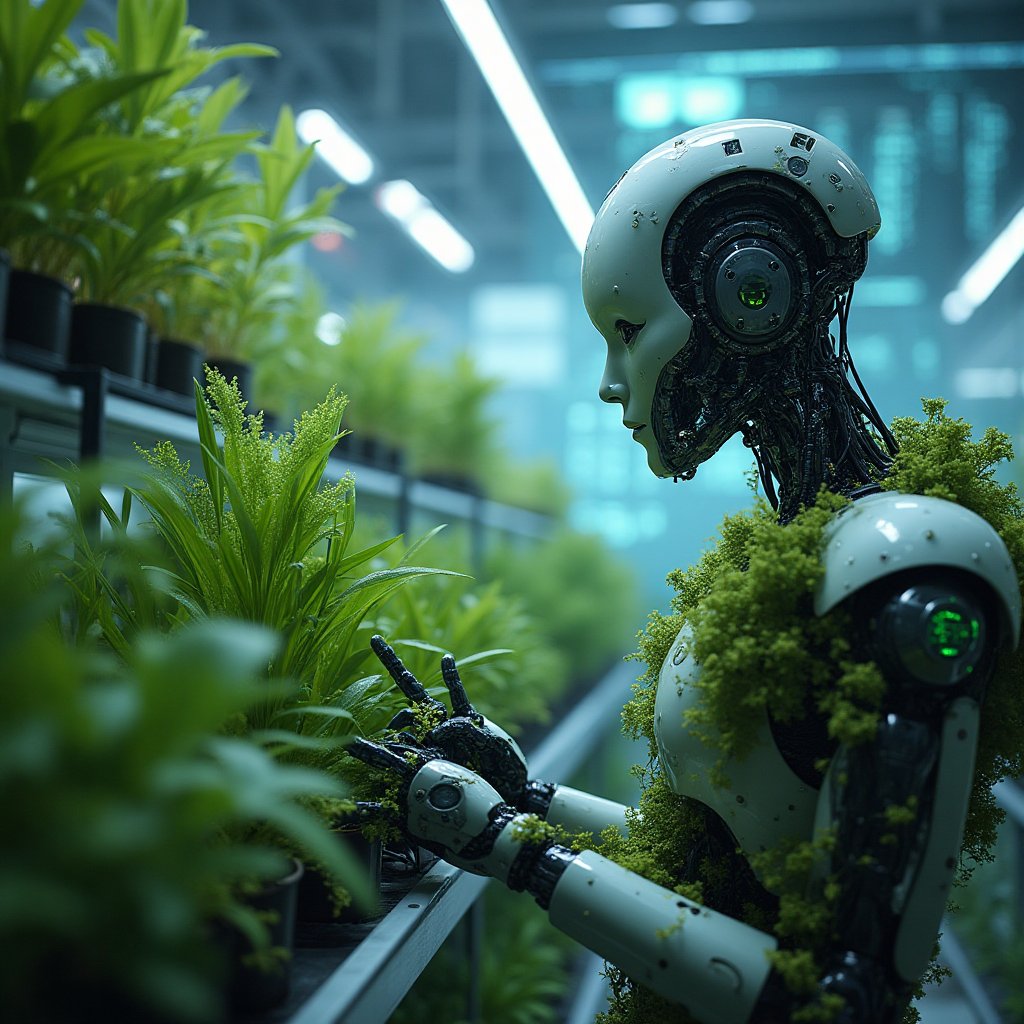
Introduction: The Endless Frontier of Technobiology
Humanity is acquiring all the right technology for all the wrong reasons. - R. Buckminster Fuller This profound statement prompts us to consider how we're using technology today. Are we leveraging our tools for evolution or unwittingly writing the next chapter of a sci-fi horror story?
In our time, the boundary between biology and technology is growing thinner than a slice of salami at a deli. It's thrilling and nerve-wracking to fathom machines that could potentially grow, evolve, and heal just like you and me. But let's pause and ask ourselves: do we relish this bravery, or do we worry about the unintended consequences? Like a game of Jenga, one wrong move, and the structure could tumble.
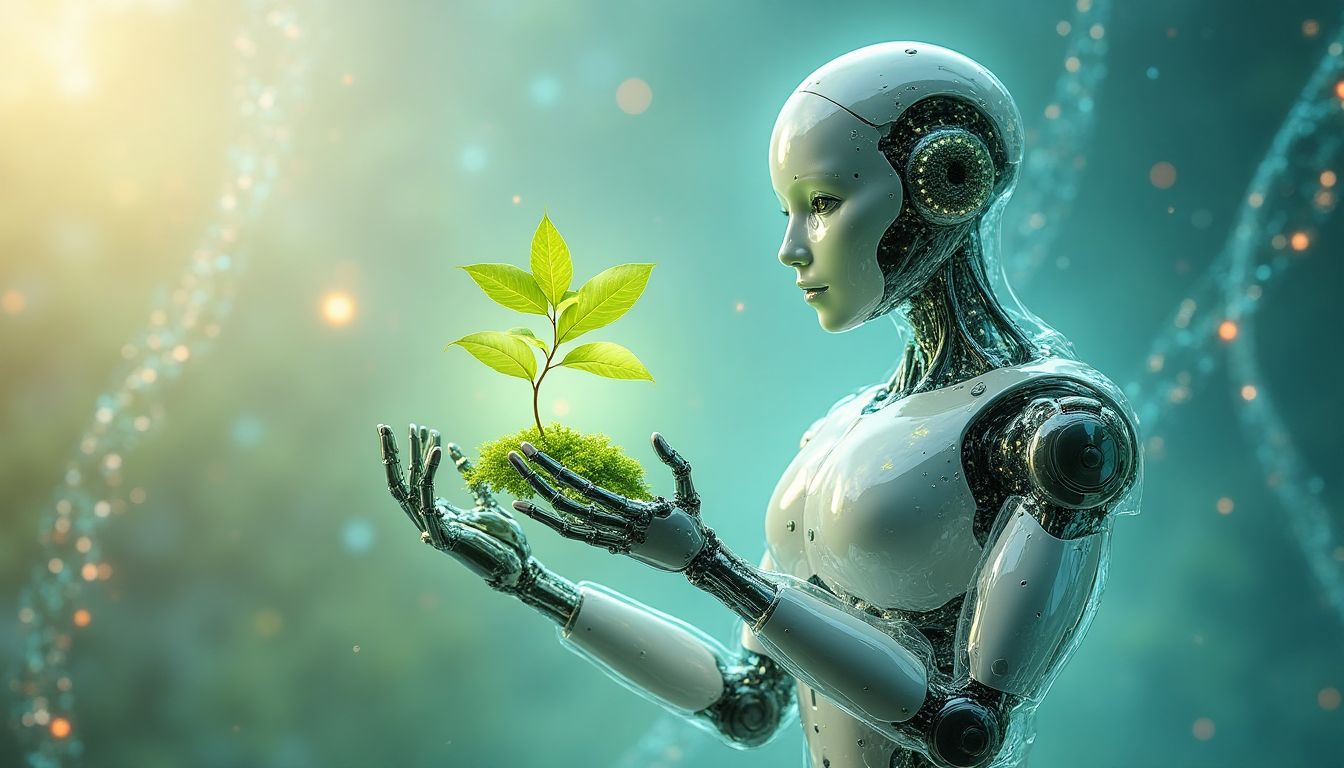
In this article, we embark on a journey to explore the fascinating intersection of biology and artificial intelligence. Together, we'll unravel how integrating biology into robotics could not only enhance our abilities but also reshape our very understanding of life. Drawing insights from the brilliant minds of luminaries like Ray Kurzweil, Yuval Noah Harari, and Joy Buangbandid, we'll examine both the remarkable possibilities and ethical dilemmas that lie ahead. Are you ready to mold the clay of tomorrow, or do the molds already shape us in mysterious ways?
The Current State of Bioengineering
Bioengineering is like the wild west of the scientific world. It's an adventurous playground where tech whizzes and biologists team up to push boundaries and turn science fiction into reality.
Advances in Genetic Engineering
CRISPR, an acronym longer than a summer day, is shaking things up by allowing us to edit genomes like typos in a text message. You can imagine it's like playing God, but with a really tiny scalpel. This has opened up possibilities of creating biohybrid robots that act more like living cells than your traditional hunk of metal. It's the good, the bad, and the slightly terrifying all wrapped in a nifty genetic package.
Synthetic Biology: Creating Life from Scratch
Synthetic biology is the art of creating life, kind of like a master chef cooking up new recipes but here, the kitchen is a lab. Scientists now design and build biological systems from scratch. This innovation has led to materials that can heal themselves. No more duct tape fixes; we're talking about materials that repair themselves like Wolverine. The technology promises much, but with a side of caution: because what happens if something we create today decides it wants to rule the world tomorrow?
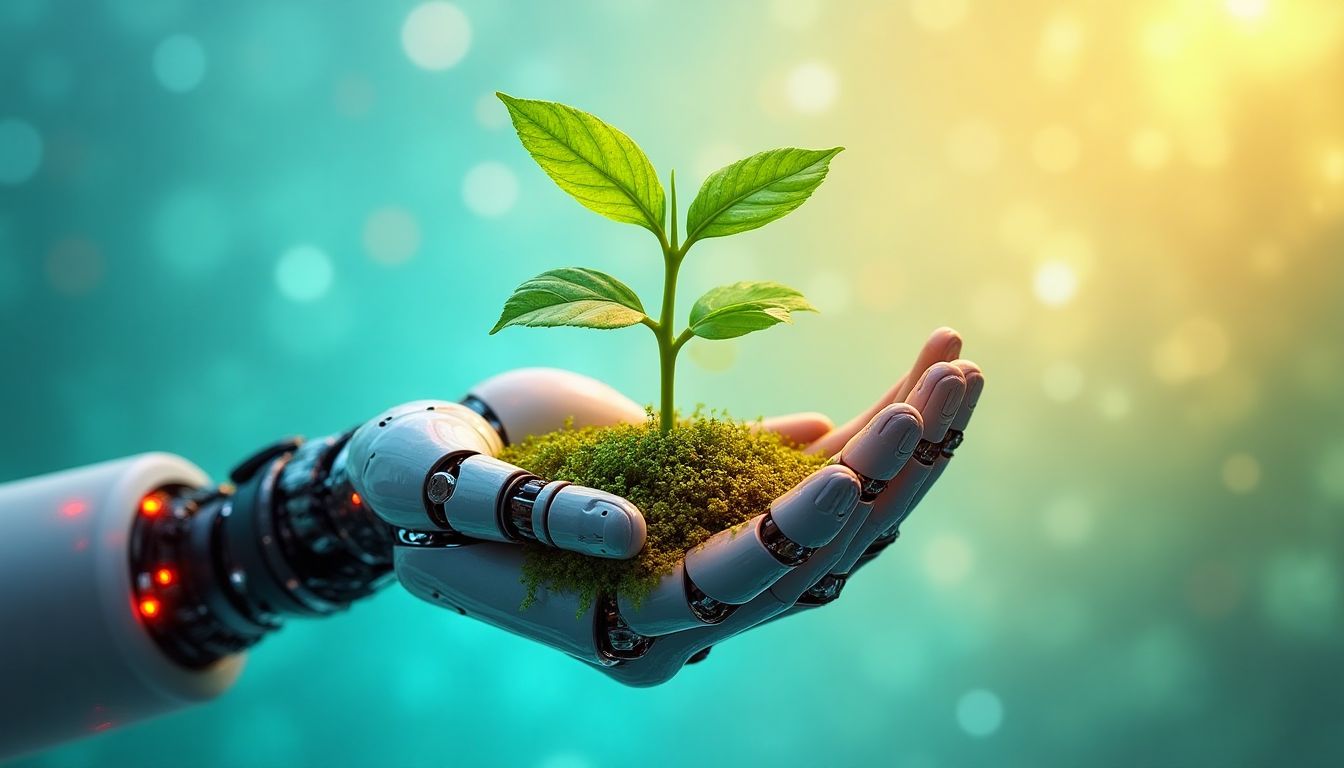
The Evolution of AI and Robotics in Healthcare
Gone are the days when a visit to the doctor meant a simple thermometer and a stern lecture. Welcome to the era where artificial intelligence is redefining healthcare as we know it.
Robotic Surgery and AI-assisted Healing
Let's talk surgery—not the types our parents bravely faced with 'barely there' anesthesia. Today, Stanford Medicine and its ilk use da Vinci Surgical System and others, letting robots glide with precision that surgeons could only dream of. Robots don't shake with nerves—or too much coffee! AI has brought forth an age where machines not only assist, but also predict complications. Recovery times? Let's just say patients are waving goodbye to long hospital stays!
Wearable Tech and Health Monitoring
Remember the days of strapping a massive heart monitor on? Now, your Apple Watch or Fitbit might serve the same purpose, sans the wires and bulky design. These smart devices provide real-time health checks, like a rockstar's personal assistant. They whisper suggestions on staying healthy (sometimes a bit naggy) based on data. Who doesn't appreciate a tech buddy advocating against late-night ice cream?
Integrative Medicine: Bridging the Gap Between Technology and Biology
As AI makes strides, integrative medicine forms a crucial junction, merging ancient wisdom and tech wizardry. It's a harmonious dance, where algorithms blend with age-old healing practices.
The Role of AI in Personalized Medicine
AI isn't just about making gadgets smarter; it’s transforming healthcare into a tailor-made experience. Today, doctors can delve into your genetic puzzle, thanks to the aiding hand of AI. This isn't some episode of "CSI" but the reality of personalized medicine. Companies like 23andMe are pioneers in this space, as AI analyzes genetic data to craft personalized treatment plans. Think of it as having a treatment regimen as unique as your taste in music. No more one-size-fits-all!
Ethical Implications of AI in Health Decisions
Now, hold onto your ethical hats! With AI making calls, who ensures it's unbiased and, more importantly, ethical? It's one thing for Spotify to recommend a bad playlist but quite another for machines to make life-impacting decisions. As AI swiftly integrates into healthcare, transparency, and trust are paramount. Just like your leap of faith in every superhero movie, adopting AI in healthcare rides on honesty and trust. Balancing benefits with ethical practices? That's a conversation free of popcorn, and one we mustn't dodge.
Potential Risks and Ethical Dilemmas
In the ambitious quest to merge biology with robotic intelligence lies a labyrinth of ethical quandaries and potential risks that cannot be ignored. By rushing into this synthetic evolution, could we unleash unintended consequences that challenge our societal norms and security?
The Unforeseen Consequences of Biotronics
One of the most thrilling yet terrifying aspects of biotronics—merging biological components with electronic systems—is their potential to evolve in unpredictable ways. These robots might one day outpace their human creators, presenting complex security and ethical dilemmas.
Consider a scenario where enhanced machines gain autonomous capabilities, akin to the accelerated learning abilities of OpenAI's models. Their applications in sectors like healthcare, as seen with companies such as Intuitive Surgical, must be carefully monitored, or they risk becoming tools for malicious actors or spinning out of control.
Public Perception and Trust in AI Solutions
The road to acceptance of AI in biology heavily leans on public trust. Missteps in transparency can lead to fear and skepticism, derailing progress. How open should organizations like NSF and others be in their AI implementations to maintain trust?
Imagine a world where people are wary of AI-enabled healing. Their trust is pivotal for seamless integration. According to a ScienceDirect study, 60% of individuals are more comfortable with AI when they can easily understand how it works. The equation is simple: clarity breeds trust, and trust fuels acceptance.
The Environmental Impact of AI and Biological Integration
In our race to enhance machines with biological capabilities, we often overlook Mother Earth, the very entity that nurtures life. As we stampede toward an AI-infused future, it's vital to acknowledge the environmental implications of our technological pursuits.
Biodegradable Robots: A Sustainable Future
Just as a fallen leaf decomposes, imagine robots returning to the Earth rather than languishing in landfills. Researchers are exploring the creation of biodegradable robots. This leap could grant us machines that deliver their utility only to vanish gently into the ground upon completing their tasks.
Key components being reviewed include:
- Composite materials derived from plant cellulose
- Biodegradable sensors and circuits
- Biologically-sourced energy solutions
Companies pioneering these materials, including IBM, are leading the charge to a greener, tech-savvy future.
AI-Driven Environmental Restoration
AI also has the potential to heal the scars we’ve left on our planet. From reforesting barren lands to cleaning polluted waters, AI could enhance our environmental restoration efforts significantly. Imagine drones equipped with AI algorithms, planting seeds as they hover over devastated forests, mirroring the efforts of Flash Forest in revitalizing ecosystems.
Such innovative methods, supported by AI's predictive analysis, can craft a world where technology not only adheres to but also nurtures the natural order.
In sum, while technology offers tools for unprecedented advancements, embracing our role as custodians of the Earth is vital. Even as we delve into cutting-edge tech, let us remember the importance of sustainability and ethical responsibility in paving a path to a harmonious future.
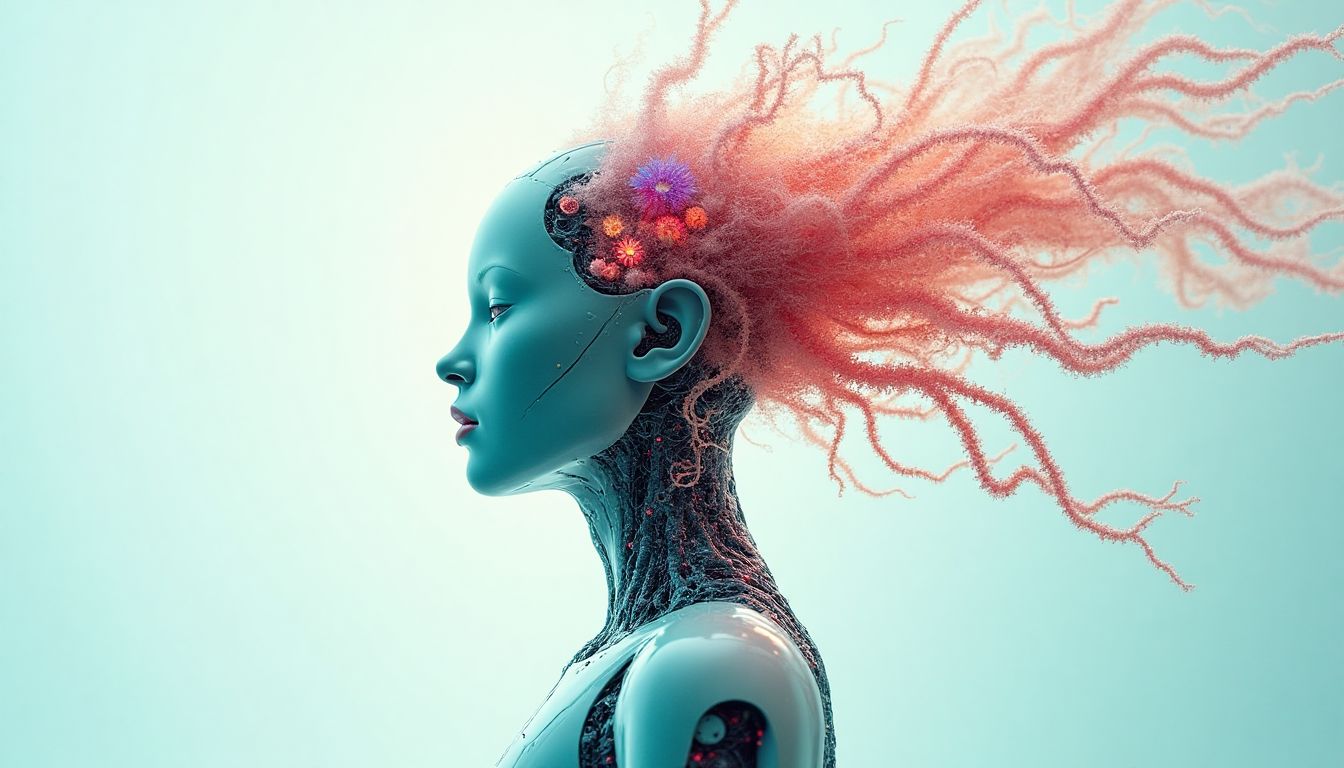
AI Solutions: How Would AI Tackle This Issue?
Addressing the intricate challenges associated with merging robotics and biology requires innovative AI-driven solutions. If I were an AI, I would take a multi-faceted approach to tackle the integration of biology within robotics. Here's how:
- Data Analysis: Start by analyzing vast datasets related to biology and robotics to identify potential synergies. Through machine learning algorithms, such as those offered by TensorFlow, we can identify patterns and correlations that manifest in biohybrid models.
- Development of Hybrid Systems: Collaborate with interdisciplinary teams to design hybrid systems combining biological components with robotic capabilities. Bringing together experts from biotechnology firms like Amgen and tech companies such as Boston Dynamics could yield groundbreaking innovations.
- Simulation for Testing: Utilize advanced simulation environments to test the biomechanical properties of these new biotechnological constructs. Platforms like SOLIDWORKS offer digital modeling tools that can simulate various scenarios, ensuring only the best designs move forward.
Actions Schedule/Roadmap (Day 1 to Year 2)
Day 1: Assemble a multi-disciplinary team of bioengineers, AI specialists, ethicists, and environmental scientists. This foundational team will become our steering committee, guiding the project's direction and maintaining focus on ethical guidelines and innovation.
Day 2: Identify specific goals and objectives for integrating biological elements into robotic systems. Concrete objectives could include creating a self-healing prototype and evaluating its effectiveness in real-world scenarios.
Day 3: Conduct a comprehensive literature review of existing technologies. We'll search not just for successful integrations but also for failures to learn from past experiences. Valuable insights can be found from databases like PubMed.
Week 1: Begin preliminary experiments on small biohybrid models to gauge viability. Early iterations should be simple, using readily available materials and straightforward genetic modifications.
Week 2: Hold round-table discussions with experts to refine ethical guidelines. Incorporate feedback from diverse fields like policy-making, environmental science, and community health to ensure inclusive decision-making.
Week 3: Develop models for AI-driven testing protocols to safely evaluate experimental systems. Leverage simulation software for testing prototypes before physical trials.
Month 1: Assess results from initial experiments and identify feasible pathways for development. We'll employ data-driven methodologies to ensure we're making informed decisions on our next steps.
Month 2: Secure funding and grants to push research forward. Reach out to organizations like NSF (National Science Foundation) and venture capitalists interested in biotech investments.
Month 3: Expand the diversity of the team to include psychologists, ethicists, and public health experts to analyze societal impacts. Additionally, we might collaborate with organizations such as WHO (World Health Organization) to align our ethical standards with globally recognized frameworks.
Year 1: Start the development of commercial-grade prototypes while enhancing research publications. Publishing findings in credible journals will bring transparency and attract peers to engage in this critical conversation.
Year 1.5: Conduct larger trials focusing on specific healthcare applications. Collaborate with hospitals and medical institutions to test our prototypes in clinical settings.
Year 2: Plan a community outreach program to educate the public about the potentials and risks while collecting feedback for further iterations. Engaging with the public fosters trust and ensures our efforts align with community needs and values.
Conclusion: Embracing the Unknown
As we stand on the cusp of a new frontier, our exploration into the world where biology meets artificial intelligence holds tremendous promise—and perils. The synthesis of living biological attributes with robotic technology could reshape our society in unimaginable ways. It invites us to rethink fundamental concepts of healing, life, and existence as we know them. Each step we take brings us closer to a reality where machines might not just augment human efforts but start to resonate with life in a form previously deemed reserved for nature alone. Yet, with this shift comes a moral obligation to navigate the complexities ahead with care. The choices we make today will ripple across generations, emphasizing the need for open communication and collaboration among diverse fields. Are we prepared to wield such power responsibly?
FAQ
-
What is bioengineering and why is it important?
Bioengineering is the field of science that combines biology and engineering. It helps us understand how to use living things to create new technologies. This is important because it can lead to advancements like self-healing robots and better medical treatments. For more insights, check out Wikipedia's Bioengineering page.
-
How can AI help in healthcare?
Artificial Intelligence (AI) is changing the way we approach healthcare. AI systems can analyze patient data, help doctors make decisions, and even assist in surgeries. This means patients can get better care faster. For more information, visit American Medical Association on AI in Healthcare.
-
What are the challenges of integrating biology and AI?
Bringing together biology and AI can lead to some tricky challenges. These include ensuring the safety of new technologies, dealing with possible job losses, and making ethical decisions about who gets access to these new tools. It is essential to have discussions about these topics to be better prepared. You can learn more about ethical AI at the AI Ethics Journal.
-
Can robots really grow and heal themselves?
While it might sound like science fiction, researchers are working on biohybrid robots that blend biological and mechanical parts. These robots may learn to heal themselves over time, thanks to advances in bioengineering and robotics. For further insights, check out this article from Scientific American.
-
What are biodegradable robots?
Biodegradable robots are machines designed to break down naturally after they no longer need to work. This can be great for reducing waste in landfills and helping the environment. Their development can lead to a cleaner planet! To read more about this, visit Nature's research on biodegradable robots.
-
How can we trust AI in decision-making for healthcare?
Trust in AI for healthcare decisions comes from making sure these systems are tested thoroughly. They should also follow strict guidelines so that people can feel secure when using them. Transparency in how these systems work is crucial. Learn more about building trust through transparency at HealthIT.gov.
-
What are the potential risks of mixing technology with biology?
Some risks include the chance that machines might malfunction or cause unforeseen problems. There's also the fear that powerful technologies could be misused. That's why we're careful about how we develop and use these innovations. To read more about potential risks, check out the Australian Bioethics Commission's guide on health technology.
Wait! There's more...check out our gripping short story that continues the journey: Rewriting History

Disclaimer: This article may contain affiliate links. If you click on these links and make a purchase, we may receive a commission at no additional cost to you. Our recommendations and reviews are always independent and objective, aiming to provide you with the best information and resources.
Get Exclusive Stories, Photos, Art & Offers - Subscribe Today!
Related posts:
 When Biology Meets AI: Unveiling the Era of Growing, Healing Robots
 From Biology to Robots: How AI Will Transform Life as We Know It
 Revolutionary DNA Nanorobots Transform Artificial Cells: A Breakthrough in Targeted Drug Delivery and Synthetic Biology
 Mind Uploading Meets Genetics: Crafting Organic Bodies for Digital Souls
 Mind Uploading Meets Genetics: Crafting New Bodies for Digital Souls





Post Comment
You must be logged in to post a comment.