
Ottawa, the capital city of Canada, is a vibrant and multicultural city that attracts newcomers, immigrants, and visitors alike. Whether you're planning to relocate or just visit, there are several key factors to consider when making Ottawa your new home. Below is a detailed guide that covers essential information on housing, transportation, cost of living, and more—everything you need to know before settling in the city.
Transportation in Ottawa
Ottawa offers a comprehensive public transportation system that includes buses, light rail (O-Train), and bike lanes, making it easy to navigate the city without a car.
- Public Transit: OC Transpo is the primary public transit service in Ottawa. The city also recently expanded the light rail transit (LRT) system, which connects downtown with major areas such as Tunney's Pasture, Blair, and the growing suburbs.
- Driving and Highways: Ottawa is connected to major highways, such as the 417 (The Queensway) and Highway 7, which make travel to neighboring cities like Montreal or Toronto straightforward.
- Biking and Walking: Ottawa is one of Canada's most bike-friendly cities, with over 200 km of bike paths. Downtown and inner neighborhoods are very walkable.
- Proximity to Airports: Ottawa International Airport (YOW) is about 15 minutes from downtown and offers a wide range of domestic and international flights.
How convenient is it to get around Ottawa without a car?
Very convenient, thanks to Ottawa's well-developed public transportation, biking lanes, and walkable downtown core.
Housing Costs in Ottawa
Housing prices in Ottawa are generally more affordable than in cities like Toronto and Vancouver, making it an attractive option for newcomers.
- Home Prices: The average price for a detached home in Ottawa is around CAD 700,000, while condos typically cost around CAD 400,000.
- Rental Market: Renting in Ottawa is also relatively affordable compared to other major Canadian cities. Expect to pay around CAD 1,700–2,000 for a 1-bedroom apartment downtown, and CAD 1,400–1,700 for similar units outside the core. Tools like PadMapper and Rentals.ca can help you explore rental listings.
What are the housing costs in Ottawa?
Home prices average around CAD 700,000 for detached homes, while rental costs for a 1-bedroom range from CAD 1,400 to CAD 2,000 depending on the location.
Cost of Living in Ottawa
The cost of living in Ottawa is moderate compared to other Canadian cities, offering a good balance between affordability and quality of life.
- Groceries: Expect to spend around CAD 300-400 per month on groceries for one person. You can compare prices and shop online via Loblaws or Metro for grocery shopping.
- Utilities: Monthly utility bills (electricity, heating, water, etc.) average CAD 150-200 for a small apartment.
- Healthcare: Healthcare is publicly funded in Ontario, and residents are eligible for coverage through the Ontario Health Insurance Plan (OHIP), making healthcare costs manageable.
What is the overall cost of living in Ottawa?
Ottawa offers a moderate cost of living. Expect to spend about CAD 1,000–1,500 monthly on essential expenses like groceries, utilities, and healthcare.
Job Market in Ottawa
Ottawa's job market is diverse, with government, technology, education, and healthcare being the dominant industries. The presence of the federal government means many opportunities in public administration, but there is also a booming tech sector with companies like Shopify headquartered here.
What industries offer the most opportunities in Ottawa?
Ottawa's job market is strong in government, technology, and healthcare. The city is also known for being home to many high-tech firms.
Education in Ottawa
Ottawa is home to top-tier educational institutions, from primary schools to universities and colleges.
- Public Schools: Ottawa has several well-regarded school boards, including the Ottawa-Carleton District School Board and the Ottawa Catholic School Board.
- Higher Education: The city hosts major universities like the University of Ottawa and Carleton University, which offer a range of programs for both undergraduate and graduate students.
- Vocational Training: Algonquin College provides a wide variety of technical and vocational programs for students looking to enter skilled trades or technology fields.
What are the education options like in Ottawa?
Ottawa offers excellent public schools and top universities like the University of Ottawa and Carleton University, as well as strong vocational programs at Algonquin College.
Healthcare in Ottawa
Healthcare services in Ottawa are of high quality, with numerous hospitals, clinics, and family doctors available to residents.
- Hospitals: Major hospitals include The Ottawa Hospital (with multiple campuses) and CHEO (Children's Hospital of Eastern Ontario).
- Clinics and Family Doctors: While healthcare is publicly funded, newcomers might experience some wait times to register with a family doctor. The Ontario Ministry of Health provides more information on healthcare services.
How accessible is healthcare in Ottawa?
Ottawa has excellent healthcare facilities, though finding a family doctor may take time due to demand.
Crime Rate and Safety
Ottawa is considered one of the safest major cities in Canada, with relatively low crime rates compared to other urban areas. The downtown area and surrounding neighborhoods like The Glebe, Westboro, and Old Ottawa South are known for their safety and vibrant community life.
Is Ottawa a safe city to live in?
Yes, Ottawa is one of Canada's safest cities, with lower crime rates than many other major urban centers.
Climate and Weather
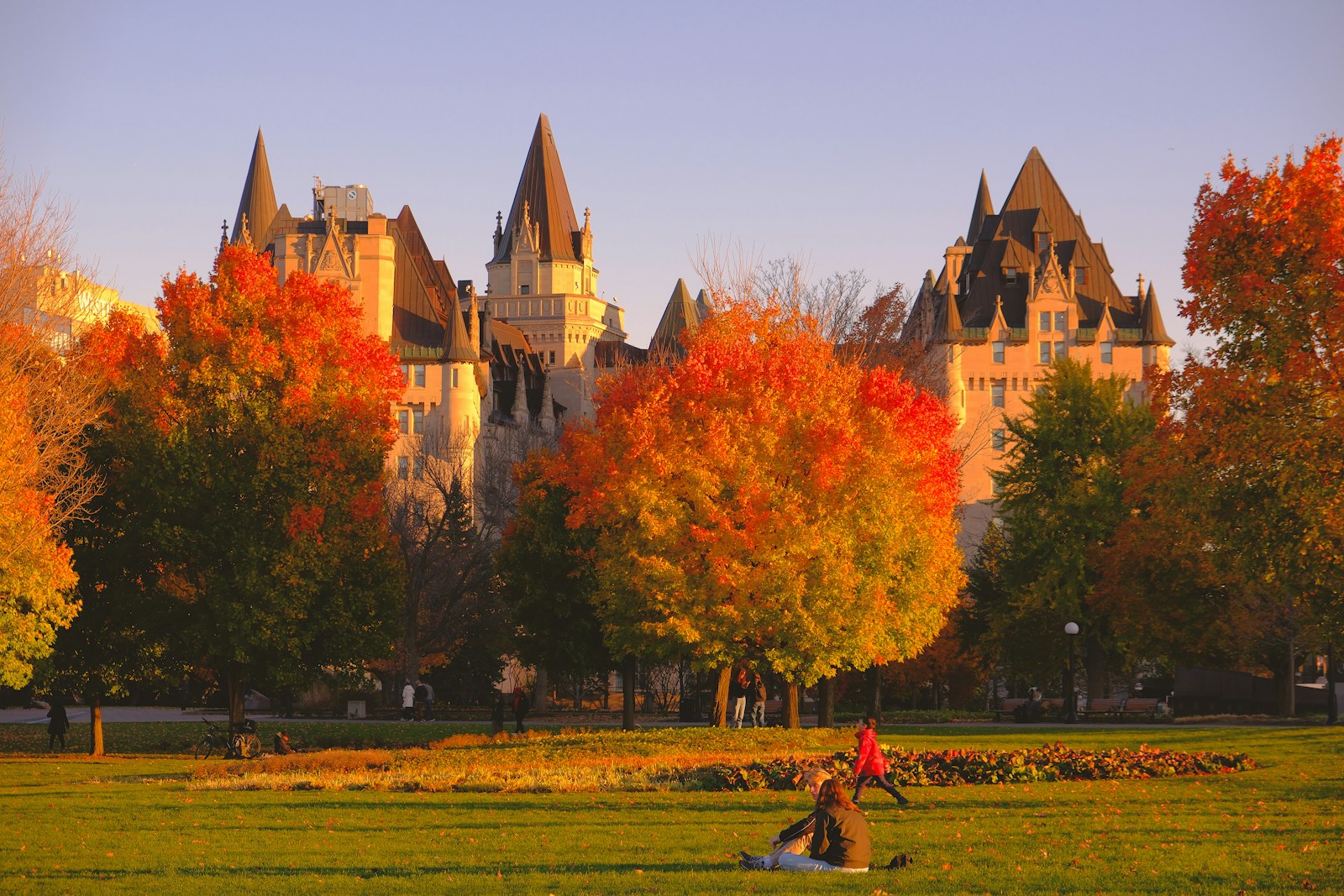
Ottawa experiences all four seasons distinctly, with cold winters and warm, humid summers.
- Winter: Ottawa winters can be harsh, with temperatures dropping to -20°C or lower and significant snowfall.
- Summer: Summers are pleasant, with average temperatures of 20-25°C, though some days can be quite humid.
- Spring/Fall: Spring and fall are transitional seasons with mild temperatures.
What is the weather like in Ottawa?
Ottawa experiences cold, snowy winters and warm, humid summers, along with pleasant spring and fall seasons.
Recreation and Amenities
Ottawa is rich in cultural activities, green spaces, and recreational opportunities.
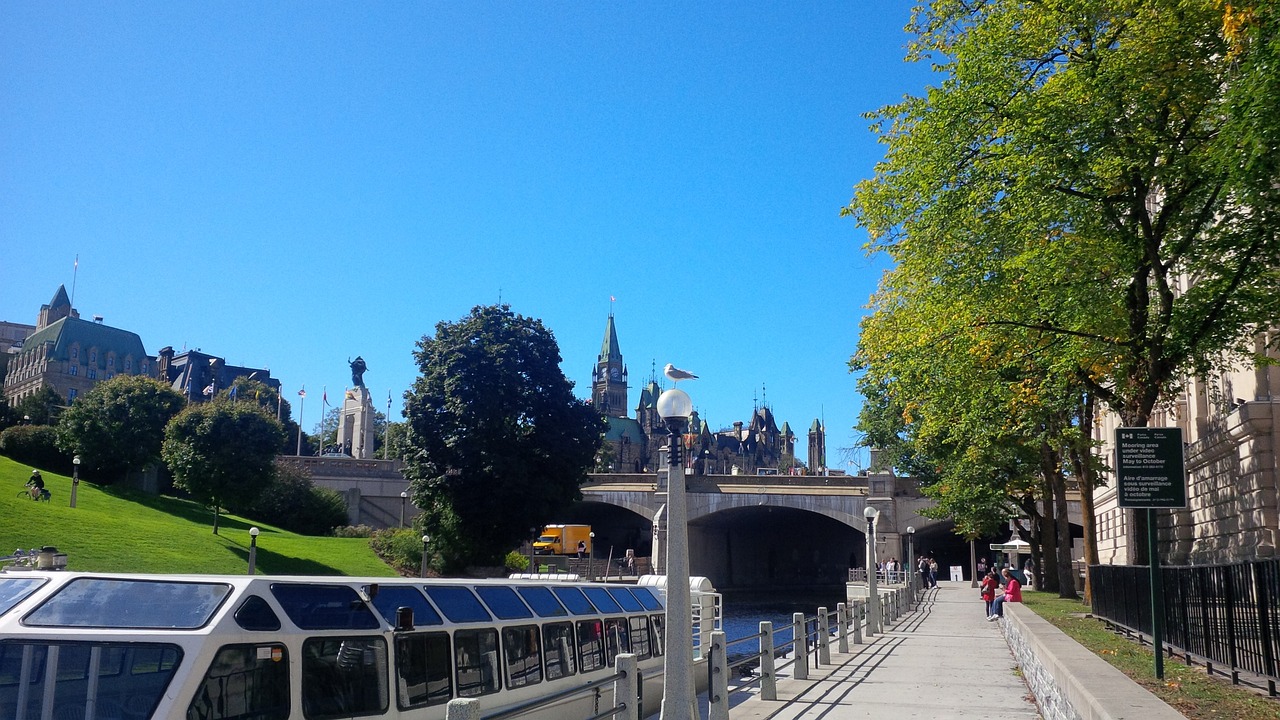
- Parks and Outdoor Activities: With landmarks like Parliament Hill, the Rideau Canal, and Gatineau Park nearby, Ottawa offers excellent outdoor activities, including skating, cycling, and hiking.
- Cultural Attractions: The city boasts several museums, galleries, and theaters, including the National Gallery of Canada and the Canadian Museum of History.
What are the recreation options in Ottawa?
Ottawa offers plenty of outdoor and cultural activities, including biking along the Rideau Canal, exploring museums, and attending theater performances.
Neighborhoods
Ottawa is home to a variety of neighborhoods, each offering unique lifestyles and amenities.
- Family-Friendly: Neighborhoods like Kanata, Barrhaven, and Orleans are ideal for families, offering schools, parks, and recreational centers.
- Young Professionals: Neighborhoods like Centretown, Westboro, and The Glebe are popular with young professionals due to their proximity to downtown, vibrant social scenes, and access to amenities like cafes, restaurants, and bars.
- Retirees: Areas like Rockcliffe Park and Manotick offer quieter, more upscale living environments with beautiful green spaces and proximity to the Ottawa River.
Which neighborhoods are best for families or young professionals?
Families tend to prefer suburban areas like Barrhaven and Orleans, while young professionals gravitate towards Centretown and Westboro. Retirees may enjoy the tranquility of Rockcliffe Park or Manotick.
Monthly Budget for Rental Scenario in Ottawa
| Expense Category | Single Person | Young Couple | Family of Four | Service Providers / Links |
|---|---|---|---|---|
| Rent | CAD 1,700 | CAD 2,200 | CAD 3,000 | Rentals.ca |
| Utilities (electricity, water, heating) | CAD 150 | CAD 200 | CAD 300 | Hydro Ottawa |
| Internet and Cable | CAD 90 | CAD 110 | CAD 130 | Rogers / Bell |
| Groceries | CAD 350 | CAD 600 | CAD 1,000 | Loblaws, Metro |
| Transportation | CAD 120 (bus pass) | CAD 240 (2 passes) | CAD 300 | OC Transpo |
| Cell Phone | CAD 60 | CAD 120 | CAD 180 | Fido, Virgin Mobile |
| Entertainment and Dining Out | CAD 200 | CAD 400 | CAD 600 | Various (restaurants, movies, events) |
| Healthcare (dental, prescriptions, etc.) | CAD 50 | CAD 100 | CAD 150 | Ontario Health Insurance Plan (OHIP) |
| Miscellaneous | CAD 100 | CAD 200 | CAD 300 | - |
| Total Monthly Expenses | CAD 2,820 | CAD 4,170 | CAD 5,960 | - |
Monthly Budget for Home Ownership Scenario in Ottawa
| Expense Category | Single Person | Young Couple | Family of Four | Service Providers / Links |
|---|---|---|---|---|
| Mortgage (estimated) | CAD 2,000 | CAD 2,500 | CAD 3,500 | Ratehub |
| Property Taxes | CAD 300 | CAD 400 | CAD 600 | City of Ottawa Property Tax |
| Utilities (electricity, water, heating) | CAD 200 | CAD 300 | CAD 450 | Hydro Ottawa |
| Home Insurance | CAD 80 | CAD 120 | CAD 180 | TD Insurance |
| Internet and Cable | CAD 90 | CAD 110 | CAD 130 | Rogers / Bell |
| Groceries | CAD 350 | CAD 600 | CAD 1,000 | Loblaws, Metro |
| Transportation | CAD 150 (gas + insurance) | CAD 300 (2 cars) | CAD 450 | OC Transpo, Petro-Canada |
| Cell Phone | CAD 60 | CAD 120 | CAD 180 | Fido, Virgin Mobile |
| Entertainment and Dining Out | CAD 200 | CAD 400 | CAD 600 | Various (restaurants, movies, events) |
| Healthcare (dental, prescriptions, etc.) | CAD 50 | CAD 100 | CAD 150 | OHIP |
| Maintenance and Repairs | CAD 100 | CAD 150 | CAD 250 | - |
| Miscellaneous | CAD 100 | CAD 200 | CAD 300 | - |
| Total Monthly Expenses | CAD 3,680 | CAD 4,900 | CAD 7,690 | - |
Notes on Budget Components:
- Rent/Mortgage: Varies depending on the location, size of the property, and current market trends. The mortgage figures assume a 20% down payment and a competitive interest rate.
- Utilities: Include electricity, water, and heating costs. Hydro Ottawa is the main provider of electricity services in Ottawa.
- Internet/Cable: Costs are based on standard packages from major providers like Rogers and Bell.
- Transportation: Includes OC Transpo public transit passes or costs for owning a car (gas, insurance).
- Groceries: Based on average costs for essential items, with online grocery shopping available from Loblaws and Metro.
- Home Insurance: Rates vary but can be obtained from providers like TD Insurance.
- Healthcare: Basic healthcare is covered under the Ontario Health Insurance Plan (OHIP), but additional costs for dental, vision, and prescriptions apply.
These tables provide a general estimate of monthly living expenses for different household types in Ottawa, both for renting and homeownership scenarios.
Final Thoughts
Ottawa is a dynamic and growing city that offers a balanced lifestyle for newcomers, immigrants, and visitors. With affordable housing, excellent public services, and a strong job market, Ottawa is a fantastic place to live and explore. Whether you're moving for work, study, or simply seeking a better quality of life, Ottawa has something to offer everyone.
For more information on living in Ottawa, consider exploring the City of Ottawa website, Ottawa Real Estate Board, and tools like PadMapper or Zolo for finding homes and apartments.
Disclaimer: This article may contain affiliate links. If you click on these links and make a purchase, we may receive a commission at no additional cost to you. Our recommendations and reviews are always independent and objective, aiming to provide you with the best information and resources.
Get Exclusive Stories, Photos, Art & Offers - Subscribe Today!
Related posts:
 Moving to Calgary: What Newcomers, Immigrants, and Visitors Need to Know
 Moving to Toronto: What Newcomers, Immigrants, and Visitors Need to Know
 Why do immigrants come to Ottawa?
 Impact of Undocumented Immigrants on the US Labor Market and Economy
 From Poutine to Panoramas: Top 10 Things to Do in Ottawa




Post Comment
You must be logged in to post a comment.