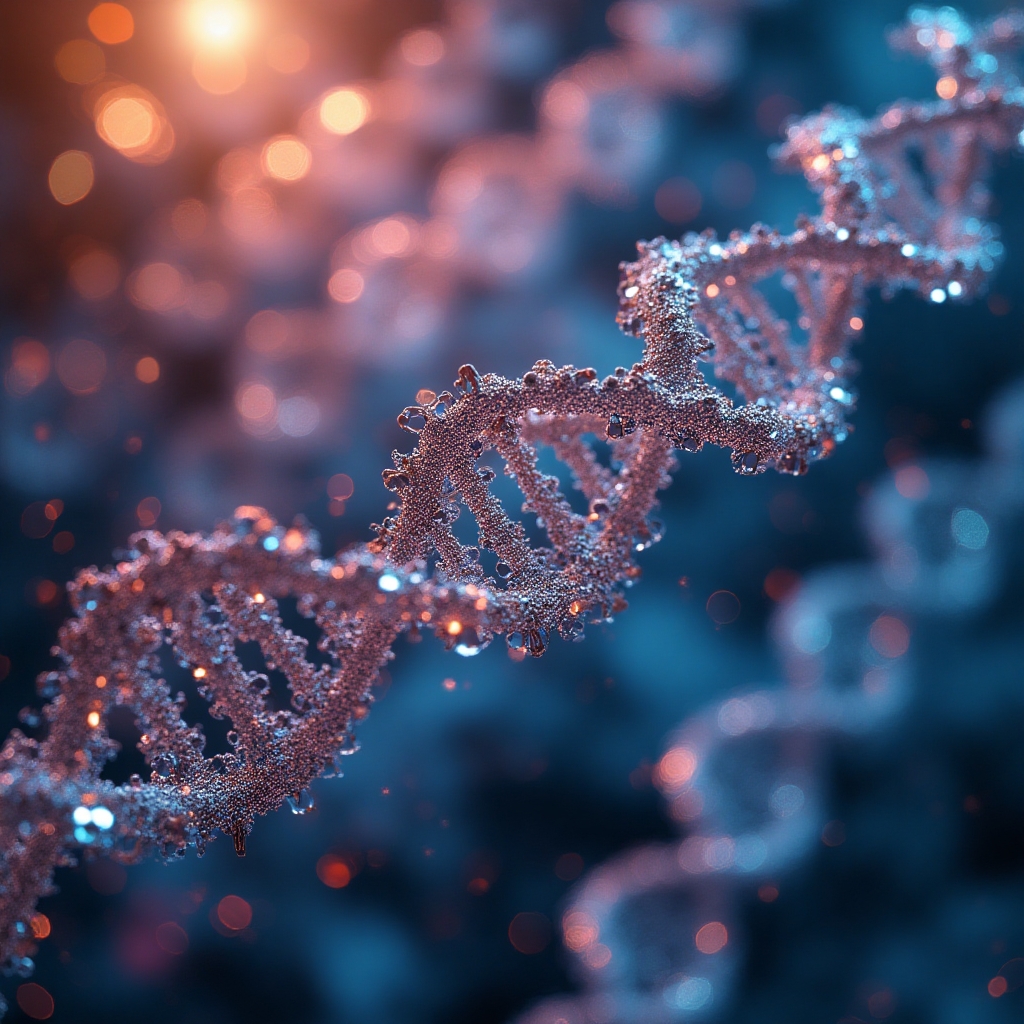
What if I told you that scientists have discovered a way to engineer new materials at the nanometer scale using the natural properties of DNA? The recent breakthroughs in creating intricate moiré superlattices with DNA's self-assembling properties are not only scientific marvels but could lead to revolutionary advancements in technology. These new structures can precisely control light, sound, and other critical elements of next-gen materials, opening up a world of possibilities.
This exciting research, highlighted by Science Daily, introduces customizable lattices featuring various patterns, including honeycombs and squares. The level of precision achieved in their creation is simply awe-inspiring and presents a future where technology might evolve past what we once thought possible. For tech enthusiasts and experts alike, these findings highlight why keeping an eye on DNA nanotechnology could mean staying ahead of the curve in innovation.
Understanding DNA Nanotechnology
Let me explain what DNA nanotechnology is. It involves the design and use of DNA molecules to create structures and devices at an incredibly small scale—think about the width of a human hair being a giant structure compared to what is crafted here. Scientists have learned to manipulate DNA's natural ability to assemble itself into specified patterns. This innovative method allows them to create layers within layers, twisting and turning them into what scientists call moiré superlattices.
These structures look like complex building blocks and act like an orchestra that harmonizes light waves, electrons, and even sound, paving the way for future technologies that can control these elements more effectively than ever before. By leveraging something as small as DNA, we are stepping into a realm where the imagination can soar and solutions to problems, both big and small, can emerge. It’s a testament to nature’s designs fueling human ingenuity.
The Science Behind Moiré Superlattices
To grasp the significance of moiré superlattices, it's essential to understand how they work. Think of them like an image made of multiple layers. When you stack two similar images on top of one another and shift one of them slightly, you create a new visual effect. This is similar to what scientists are doing here. By carefully aligning DNA structures, they produce patterns that can have different optical, electronic, and acoustic properties depending on how they are stacked and layered.
Here are some essential aspects of this technology:
- Self-Assembly: DNA can naturally organize itself into desired geometric arrangements without human intervention.
- Customizable Patterns: Researchers can design various configurations using specific DNA sequences to achieve different functions.
- Applications: Potential uses include creating advanced sensors, developing new materials for energy systems, and enhancing telecommunications.
- Precision Engineering: The level of control allows for incredibly precise manipulation, leading to high-quality results.
Why Should This Matter to Us?
Understanding the implications of these findings is crucial. The ability to manipulate materials at such a small scale translates to profound benefits in our daily lives. Applications could include:
- Improved electronics that consume less power and provide higher performance.
- Revolutionary medical technologies such as targeted drug delivery systems that can operate on a microscopic level.
- Innovative energy solutions, including better solar panels and batteries, enhancing efficiency and sustainability.
- Breakthroughs in telecommunications, leading to faster and more reliable connections worldwide.
But don’t just take my word for it; experts in related fields have echoed these sentiments. For instance, advancements backed by the research from institutions like MIT and Stanford University have shown how crucial the intersection of biology and technology is for future innovations.
Real-World Applications and Future Prospects
Let’s consider how these nanostructures could change various industries. In healthcare, targeted therapies developed with DNA nanotechnology could become the norm. Instead of treating symptoms, imagine tackling the root of diseases using methods where drugs are delivered precisely to affected cells, minimizing side effects and maximizing effectiveness.
For the tech industry, with every new advancement in nanostructures, the potential for improved technology grows exponentially. A small tweak here or a new pattern there could lead to developments we haven't even dreamed of yet.
Moreover, with increasing concerns about environmental sustainability, next-gen materials created with this technology could support a shift toward more eco-friendly industries. Reducing energy consumption in electronics, for example, would have dramatic implications on our carbon footprint.
Challenges to Overcome
Despite the promise, this technology is not without its challenges. Here are some issues that researchers must navigate:
- Cost of Production: Developing tools and methods to scale up the production of these nanostructures effectively and affordably is critical.
- Regulatory Hurdles: As new materials are introduced, regulatory bodies will need to adapt frameworks for safe and effective use.
- Public Acceptance: Gaining public trust in novel applications of DNA technology will require substantial educational efforts.
A Call to Action
As we stand at the brink of these exciting developments, now’s the time for everyone—scientists, industry leaders, and everyday citizens—to engage with this technology. Whether you’re a student aspiring to pursue a career in science or simply someone fascinated by the future, the emergence of DNA nanotechnology offers a unique opportunity to be part of an incredible narrative of progress.
Ponder this: What role will you play in shaping the future of technology? How might you contribute to conversations about the ethical use of such advancements? Your voice matters, and engaging in these discussions can shape a more informed and connected world.
To stay updated on the latest advancements in technology, feel free to check out the news from your local portal, such as Toronto News or Seattle News. And don’t forget—sharing knowledge is crucial for progress. What do you think about the future of DNA nanotechnology? We encourage you to share your thoughts in the comments below and become part of the growing community at iNthacity, your "Shining City on the Web."
Disclaimer: This article may contain affiliate links. If you click on these links and make a purchase, we may receive a commission at no additional cost to you. Our recommendations and reviews are always independent and objective, aiming to provide you with the best information and resources.
Get Exclusive Stories, Photos, Art & Offers - Subscribe Today!
Related posts:
 AI Revolutionizes Fusion Reactors: Chinese Scientists Unleash Neural Networks for Clean Energy Breakthrough
 Next-Gen Communication: How an All-Optical Chip Could Revolutionize Data Speed in 2025
 Cryo-EM Freezes the Funk: How Scientists Accurately Visualized a Pungent Protein
 Scientists invent breakthrough device to rapidly detect airborne signs of disease
 Last month was the second hottest November on RECORD: Global average temperatures hit 14.10°C – and scientists are ‘effectively certain’ that 2024 is going to be the warmest year in history.





Post Comment
You must be logged in to post a comment.