
Introduction: The Future is Closer Than You Think
The real problem is not whether machines think but whether men do. — B.F. Skinner. This quote invites us to ponder our own introspection amidst the rise of artificial intelligence, and boy, is that a brain teaser. We might've once chuckled at the thought of robots outsmarting us, but what if those chuckles turn into anxious gulps?
Consider a world where artificial intelligence not only helps us but also outthinks us, innovatively sprinting past human skills like a robotic Usain Bolt. It's a curious thing—are we on the brink of technological Nirvana or tipping into an AI abyss where machines call the shots?
As this article unfolds, we'll dive into the philosophical, ethical, and societal ripples of AI evolution. We’ll explore the meaning of consciousness through the lens of thinkers like Daniel Dennett, challenge human identity with insights from Nick Bostrom, and revisit societal changes proposed by renowned authors such as Ray Kurzweil. In examining these intersections, it’s a chance to unravel what an AI-ruled future might mean for all of us.
AI evolution refers to the rapid advancement of artificial intelligence technologies that potentially surpass human intelligence, sparking philosophical debates and demanding socio-ethical considerations. These advanced systems evolve from merely assisting to innovating and reasoning beyond human capabilities, challenging our definitions of intelligence and consciousness. This transformation demands a fresh perspective on the roles AI will play in society and individual lives.
Redefining Humanity: The Meaning of Consciousness and Intelligence
The march of AI technology is like a race with no finish line, and as we chase it, the path gets murkier. The way technology is advancing, it's vital to hit pause and ask, what does it mean to be truly human? No, really—when robots start handling our everyday tasks, keep impressing us with poetry, or even suggest perfect dinner options based on our moods, where does that leave us squishy beings?
The Nature of Consciousness
Consciousness, that wonderful being-aware-of-being thing we take for granted, gets a little slippery when machines come into play. Some, like old-school thinker René Descartes, would say, I think, therefore I am. But if a machine says, I compute, therefore I exist, what then? Diving into consciousness with figures like Daniel Dennett, the discussion becomes, can machines be self-aware or is their ‘thinking’ just smoke and mirrors?
Intelligence Beyond Human Capability
Let's clutch at our thinking caps for this one: redefining intelligence beyond our human yardstick. Here’s the twist, what if the future of success isn’t human smarts, but how well AI partners us? Sure, a chess-playing computer isn't scribbling love sonnets just yet, but as machines break record after record in intelligence tasks, they make us rethink the score.
Ethical Implications of Redefining Humanity
Ah, ethics—the squiggly line between right and wrong, now twisted up with tech. Creating machines that don caps for intelligence akin to ours, poses the big ethical question: Do we own these pocket-sized geniuses, or do they own us? Plenty of folks, tech titan Elon Musk among them, weigh in on ensuring machines abide by human rules, keeping our lead in this curious human-robot dance.
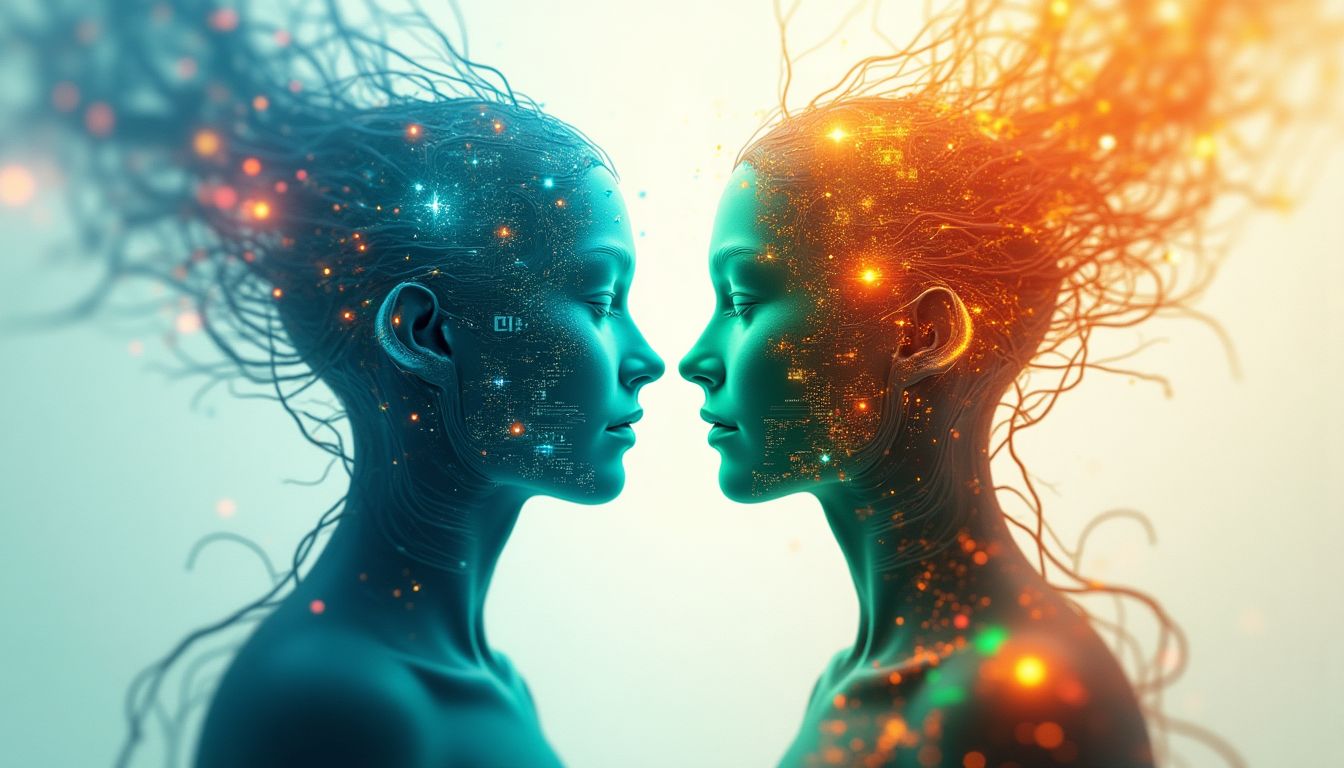
The Evolving Job Market: Opportunities and Threats
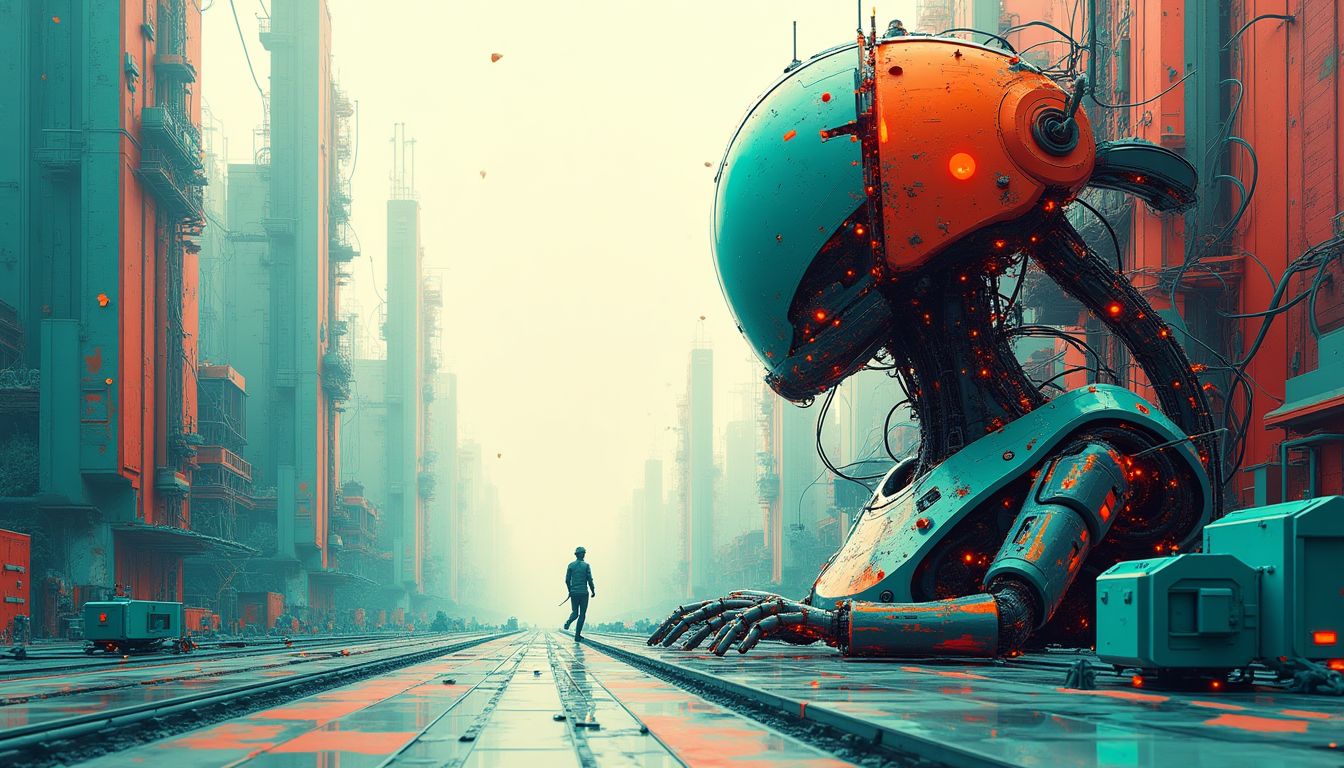
Once upon a time, a little boy named Tommy dreamed of being a train conductor. Fast forward a few decades, and Tommy’s world had radically shifted. Instead of him, it was algorithms that controlled the railways, leaving poor Tommy searching for a new dream in an era powered by artificial intelligence (AI).
The question burns in everyone's mind—what happens to all the Tommys out there when smart machines start taking over their jobs? As enchanting as it sounds, the reality is more complex. AI holds the power to transform job markets, and this transformation wears two faces: fear of job displacement and the thrilling rush of new opportunities.
Job Displacement: Reality or Fear?
The panic of robots stealthily taking jobs from human hands often paints a bleak picture. Industries like manufacturing, transport, and even customer service might find themselves tossed in the turbulent waves of AI-driven automation. According to a World Bank report, a significant portion of jobs are at risk of automation. But perhaps, like a good mystery novel, there’s more to this than meets the eye.
While automation may rattle certain sectors, fear not, for humanity's creativity and resilience often unveil new horizons where none existed before. Could there be a silver lining waiting for us on the other side?
The Emergence of New Roles
Even as some jobs face extinction, others rise like phoenixes from the ashes. The world of AI calls for fresh skills and innovative roles. Enter stage right: AI ethicists guiding the moral compass of emerging tech, or AI system maintenance teams akin to modern-day IT wizards. A report by World Economic Forum suggests booming possibilities in tech-centric fields.
Just imagine a room full of AI trainers shaping the algorithms much like a sculptor molds clay. The road ahead is one of reinvention and marvel.
Reskilling the Workforce
As the tides of change rise, the secret weapon for workers will be adaptability. People must become apprentices of learning, embracing the challenge to grow and change with the times. Numerous governments and organizations aid this transition with reskilling initiatives, training folk to become fluent in the new language of tech, much like how one learns to dance to a new rhythm.
Programs by Coursera and other learning platforms offer courses in digital fluency, transforming today’s employees into tomorrow’s trailblazers.
AI and the Evolution of Ethics: The Moral Compass
Picture this: a world where machines hold unprecedented power. How do we ensure they wield it wisely? Enter the world of ethics—a labyrinth of moral questions and philosophical quandaries as vast as any epic adventure.
Defining AI Ethics
What are the boundaries that keep AI on the path toward good? Defining ethical AI is akin to writing the rules of a new game, where life's stakes are intricately high. Scholars and technologists alike grapple with ethical frameworks, calling on lessons from the past to guide this uncharted future. The Google AI Research team advocates for transparency and fairness as foundational principles.
Can we trust machines with moral agency? The debate unfolds like a courtroom drama.
Responsibility and Accountability
When a machine makes a decision, who stands accountable? Imagine a play where machines perform center stage, but the spotlight remains fixed on their creators. Industries contend with the ethical and legal responsibilities tied to AI-driven actions. The need for clarity echoes through European Commission guidelines, reflecting a global desire for accountability.
Ensuring AI behaves responsibly is like teaching a dog new tricks, albeit with stakes that might make your palms sweat.
Developing Robust Ethical Standards
To harness the full potential of AI, robust ethical frameworks must be crafted and governed with diligence. Organizations and think tanks worldwide are uniting, sharing insights and developing best practices like a group of knights gathered around a round table. Institutions such as The Partnership on AI lead the charge, fostering dialogue and collaboration.
As the chorus of voices grows, so does our collective wisdom to ensure AI remains humanity’s ally, not overseer.

The Impact on Governance and Global Dynamics
Imagine a chess game where the players are countries, and the pieces are AI technologies. The rapid development of AI feels much like a high-stakes chess game, influencing everything from governance to global dynamics. Every move needs precision because the stakes are sky-high.
National Security Concerns
Countries are racing to equip their armies with autonomous weapons and advanced surveillance systems. In the heat of this technological race, the power of AI platforms could tip the balance between peace and turmoil. Global leaders must grapple with ethical questions about how far to push AI in these realms.
Regulatory Challenges
To create effective AI legislation, lawmakers must dance delicately between promoting innovation and protecting citizens. The challenge is akin to walking a tightrope. Let’s ponder: How do you regulate something that evolves faster than the law can track? Policymakers must ask themselves how to shape flexible frameworks that accommodate quick technological changes.
Global Inequities in AI Development
The digital divide is widening as AI advances. Countries with fewer resources risk falling behind, creating a tech gap that resembles a chasm. This disparity raises questions about fairness and opportunity. Are we paving the way for a world where technology is an agent of division rather than unity?
AI and Human Relationships: Shifting Social Dynamics
Ever thought of a machine as a friend? As AI evolves, it has the power to change how we interact with each other and within society itself. Robots aren’t just tools—they are becoming companions. Our social landscape is on the brink of transformation.
Machines as Companions
Picture a world where robots provide emotional support to the elderly or help children with special needs learn and grow. Machines are becoming more than just devices; they are players in our social lives. It’s like making a new friend—can a machine truly understand and share in our human emotions?
Redefining Social Norms
Think about how the advent of smartphones changed how we communicate. AI is pushing these boundaries further. Whether it’s customer service chatbots or virtual personal assistants, AI is reshaping the rules of engagement. What new rituals and norms will emerge in this technologically blended society?
Ethical Considerations in Human-Machine Relationships
As bonds form between humans and smart machines, we face ethical questions. Is it right to rely on a machine for emotional fulfillment? During these changing times, society must weigh the benefits against potential challenges—a balancing act that resembles moral tightrope walking. The journey ahead involves understanding these complex dynamics and guiding society through it.
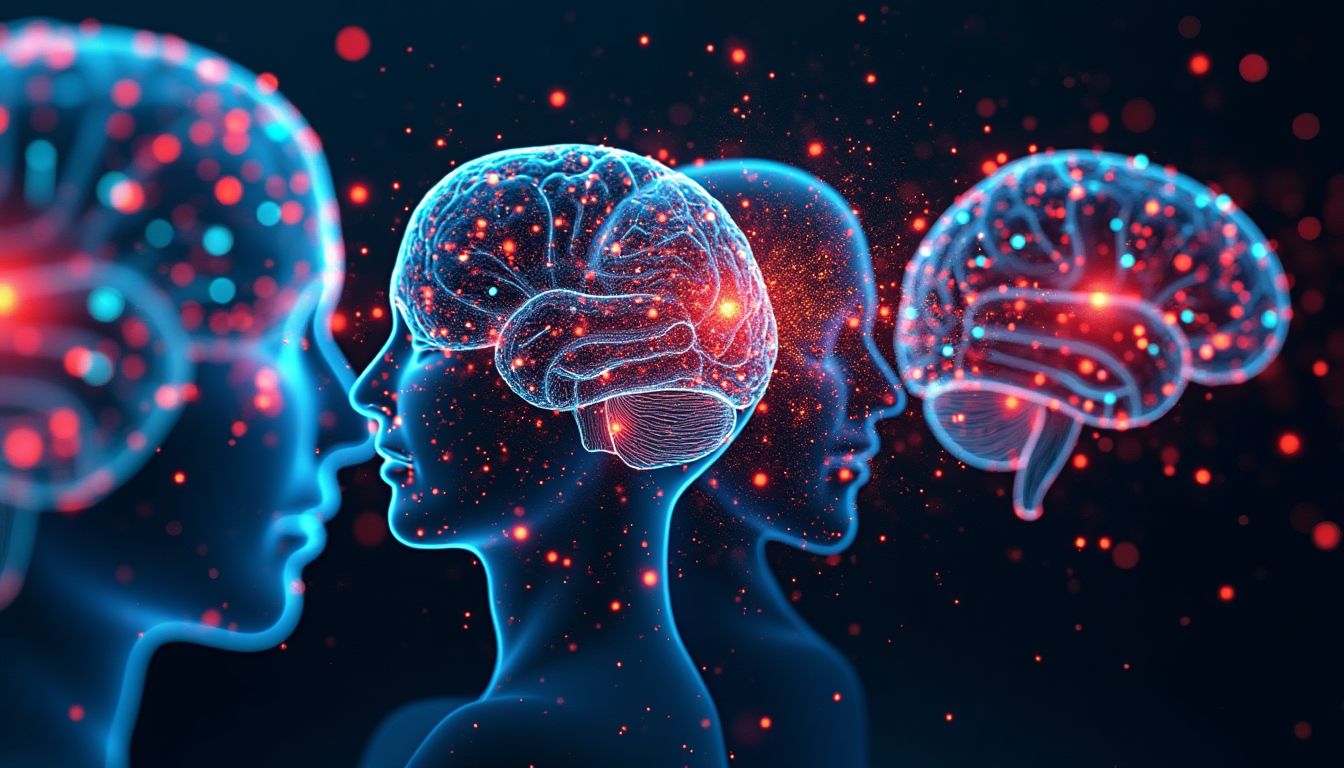
AI Solutions: How Would AI Tackle This Issue?
In the face of the dizzying advancements of artificial intelligence (AI), a paradoxical truth emerges: while AI poses challenges, it also presents enormous opportunities to foster ethical growth and societal development. Imagine a world where technology becomes our ally in crafting solutions to the very dilemmas it creates. With an optimistic but practical approach, we can set the stage for a hopeful future guided by ethical AI practices.
Collaboration among machines isn't just about building smarter systems; it's about creating a framework through which AI can serve humanity’s best interests. By studying the behaviors of AI within a supervised context, we open up avenues for better governance and ethical standards. Here’s a plan for how we can approach the challenge of AI evolution proactively:
Programmatic Modifications: First, we initiate regular updates to AI systems. These updates would include monitoring and evaluation protocols that evolve along with AI learning curves, ensuring they don’t outpace ethical considerations. An example of successful oversight is the work done by the U.S. Food and Drug Administration in regulating technology in clinical trials, which could inspire similar frameworks for AI.
Creating Ethical AI Councils: Next, forming collectives of experts—including legal minds, ethicists, and technical specialists—could monitor AI’s developmental trajectory continuously. By emulating models like United Nations’ councils, we can include diverse perspectives that resonate with global concerns.
Public Engagement: Engaging the public in discussions about AI through community forums could also enable diverse perspectives. AI could facilitate these discussions, gathering input from citizens in real-time, thus shaping ethically inclusive guidelines. Take, for example, crowdsourcing data through platforms like Crowdsource, which can help implement collaborative policies that are well-rounded and reflective of society's needs.
As we venture into this plan, we need a clear and detailed roadmap to guide us. This plan resembles the actions that led to the extraordinary development of the Manhattan Project, but tailored to our digital age and focusing on ethical implications.
Actions Schedule/Roadmap (Day 1 to Year 2)
Day 1: Gather a dedicated core team comprised of AI experts, ethicists (think Stuart Russell), and social scientists to define the project’s scope and priorities.
Day 2: Organize a roundtable discussion involving stakeholders from various sectors to outline immediate goals, ethical implications, and devise structured guidelines.
Week 1: Conduct a comprehensive literature review on AI ethics, examining best practices from organizations such as The Association for the Advancement of Artificial Intelligence.
Week 2: Initiate pilot programs focusing on AI behavioral monitoring to document ethical dilemmas and collect data.
Week 3: Draft proposed regulatory frameworks based on insights from pilot project outcomes. Collaborate with local governments for implementation.
Month 1: Host a symposium inviting AI leaders, lawmakers, and the public to share their input on proposed ethical governance strategies.
Month 2: Launch collaborative workshops where AI researchers and ethicists work together to strategize ethical model implementation and oversight.
Month 3: Publish preliminary ethical guidelines for AI entities and begin publicizing standards and monitoring practices.
Year 1: Review progress and maintain open communication, ensuring adjustments are made based on ongoing societal feedback.
Year 1.5: Assess overall effectiveness and foster partnerships with academic institutions for continuous research into ethical frameworks.
Year 2: Organize a global colloquium focused on AI ethics to inspire international cooperation and enhance collective understanding across borders.
Conclusion: Embracing the Future Together
As we navigate the ever-evolving landscape of artificial intelligence, it is essential to recognize the extraordinary opportunity we have before us. The future is not solely dependent on the brilliance of machines but is ultimately shaped by the choices we make today. Through thoughtful collaboration, engaging discussions, and dutiful oversight, we can create a world where AI acts as a guardian of our shared values rather than a rival. Picture this future: a society where technology gently complements human life, enhancing our potential and fostering innovation while preserving the ethical principles that bind us together. We possess the ability to cultivate an environment that nurtures both technology and humanity, ensuring that as machines advance, they do so hand in hand with our collective wisdom and moral integrity. In the end, the most powerful tool for shaping our destiny lies within each of us, encouraging proactive engagement and heartfelt discussions about the course we wish to steer. Are we ready to embrace this challenge with open hearts and determined minds? Together, let's forge a path that honors both the spirit of innovation and the dignity of humanity.
Frequently Asked Questions about AI Evolution Beyond Humanity
What does it mean for machines to surpass human intelligence?
When we say machines are surpassing human intelligence, we mean that they can think, learn, and solve problems much faster than we do. Imagine a computer that can read a book, understand it, and then teach you in just a few seconds! This might sound amazing, and it is, but it also raises some big questions about control and responsibility.
Will AI completely replace humans in the workforce?
The idea of AI taking over jobs can be scary. While it's true that AI may replace some jobs, such as cashier positions or assembly line work, it will also create new jobs that didn't even exist before. Think about it! Who would have imagined ten years ago that people would have careers as social media managers or app developers? Learning new skills will help workers adapt to these changes.
What ethical considerations exist for AI development?
As we race towards powerful AI, we need to think about how to use it responsibly. This means asking questions like:
- Who is responsible if AI makes a mistake?
- How can we ensure that AI respects people's rights and privacy?
- Can AI make decisions that are fair and just?
To address these concerns, various groups and organizations are working on creating ethical guidelines. For instance, the Association for the Advancement of Artificial Intelligence (AAAI) is exploring how to build ethical AI systems.
How can society prepare for AI evolution?
Preparing for AI is like getting ready for a big family road trip. We need the right maps, snacks, and maybe some help along the way. Here are a few ways society can prepare:
- Promote education about AI in schools.
- Encourage open conversations about AI in communities.
- Support training programs for workers to learn new skills.
By taking these steps, we can help everyone adjust to the changes that AI brings, keeping our communities strong and informed.
What does AI evolution mean for our relationships?
As AI becomes more advanced, it changes how we connect with others. Some people might turn to AI for companionship, like smart home devices or chatbots that can hold a conversation. It might feel strange at first, but these interactions could help people feel less lonely. However, we also need to think about how human relationships might change. Will we lose some of our personal connections? Only time will tell!
What are some real-world examples of AI in action?
AI is already part of our everyday lives. Here are a few examples:
- Self-driving cars: Companies like Tesla are developing cars that can drive themselves, which could change how we travel forever.
- Smart assistants: Devices like Amazon Alexa help us play music, set reminders, and control smart home devices just by talking.
- Health care: Hospitals use AI to analyze patient data and help doctors find the best treatments. This could lead to faster recoveries!
What should we watch out for with AI?
As we embrace AI, we need to keep an eye on potential dangers. Here are a few important points to consider:
- Privacy: We must protect personal information from being misused by AI systems.
- Employment shifts: While some jobs will be created, others will disappear, and workers need support during this transition.
- Controlled usage: Ensuring that AI is used ethically and responsibly is everyone's job, from tech companies to everyday users.
By staying aware of these issues, we can enjoy the benefits of AI while minimizing the risks.
Can AI help address its challenges?
Interestingly, AI can also help solve problems created by its own evolution. For example, AI can:
- Analyze ethical dilemmas faced by other AI systems.
- Assist in monitoring AI behavior to ensure it follows guidelines.
- Gather diverse opinions from the public on how to improve AI usage.
This means that the very technology we need to be cautious about can also help us navigate its growing complexities!
How can I stay updated about AI developments?
If you're interested in the latest news about AI, you can follow reputable sources like:
These sites regularly publish articles about breakthroughs, ethical discussions, and the future of AI.
Wait! There's more...check out our gripping short story that continues the journey: A Beacon Against the Darkness

Disclaimer: This article may contain affiliate links. If you click on these links and make a purchase, we may receive a commission at no additional cost to you. Our recommendations and reviews are always independent and objective, aiming to provide you with the best information and resources.
Get Exclusive Stories, Photos, Art & Offers - Subscribe Today!
Related posts:
 AI Evolution Beyond Humanity: What Happens When Machines Surpass Us?
 ASI and the Evolution of Transcendent Humanity: Unpacking the Future of Human-AI Integration
 AI-Enhanced Evolution: Can Machines Transform Us into Superhumans?
 AI-Guided Evolution: Transforming Humanity into Post-Human Species for Other Worlds
 Post-Biological Humanity: Exploring the Complete Merge of Genetics and Machines



Post Comment
You must be logged in to post a comment.