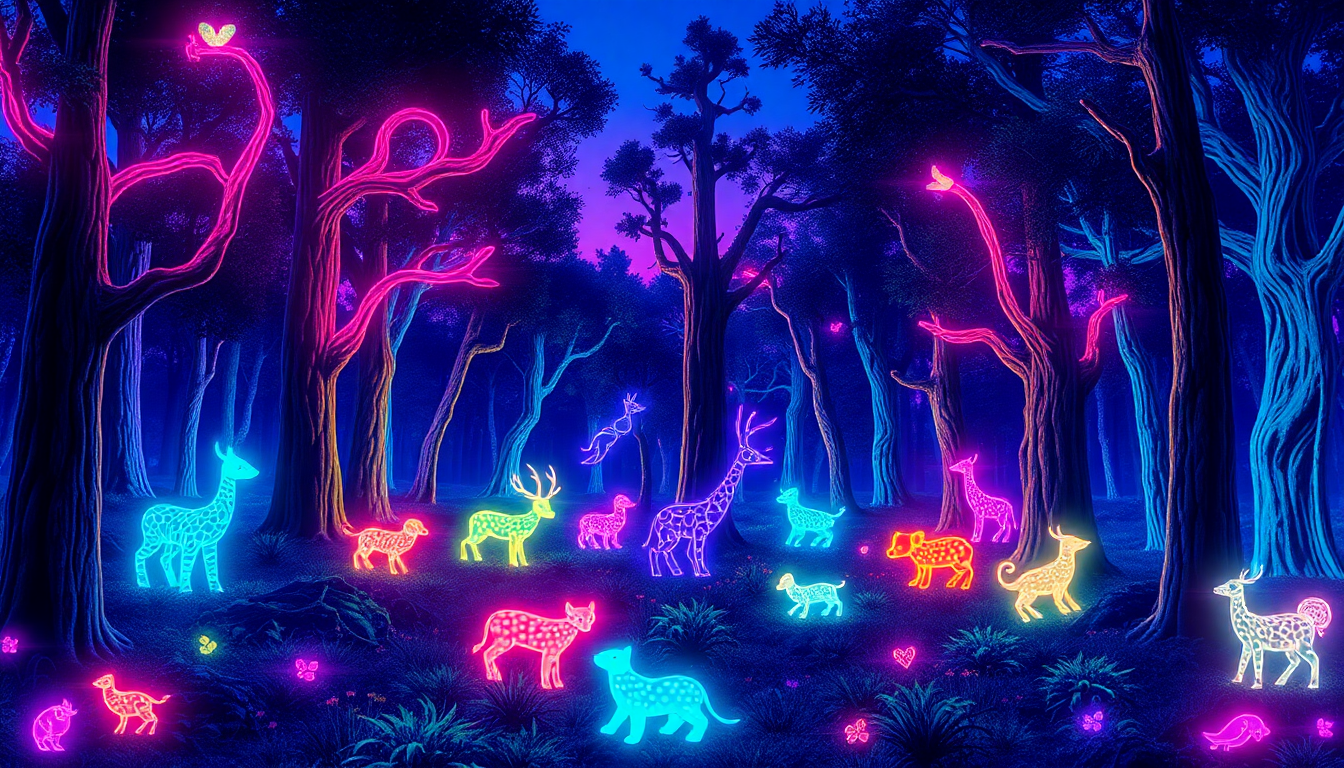
The Unfortunate Side Effect of Bright Lights on Animals
Flashback to the invention of the light bulb—a time when the world got a little bit brighter. But in truth, this innovation had unintended consequences for countless species of animals. The modern-day glow from our cities doesn't just make life easier for humans; it's causing chaos for creatures that rely on natural light cues to thrive.
The original article by the Smithsonian jumps into this topic, revealing the far-reaching impacts of artificial light on various species. While you might be amused to learn how our insatiable need for lighting is affecting animals, the reality is both fascinating and disturbing. Sit tight as we explore the science and stories behind these glowing truths.
The Case of the Beleaguered Wallabies
World, meet wallabies. These adorable marsupials are more than just kangaroos' little cousins—they're victims of extending pregnancy timelines thanks to artificial lighting. Wallabies have a unique reproductive process, delaying pregnancies until environmental conditions are ideal. Artificial light, however, disrupts their biological clocks, prompting unexpected shifts in timing. Who knew that bright city lights could turn into marsupial time machines?
Disoriented Hatchling Turtles on the Beach
Imagine being a baby turtle, setting out on your first journey to the sea, only to get lost under artificial lights. They act as cruel misleaders, causing turtles to waddle in the wrong direction. Heading the wrong way significantly decreases their chances of survival, presenting a sobering visualization of how human creations can disorient our shelled friends.
Nocturnal Bats: Nighttime Misadventures
Bats are another species falling prey to the allure of artificial light. These nocturnal creatures are drawn to the bugs attracted by street lamps, which seems like a great midnight snack opportunity. But wait, there’s a catch. Increased exposure to artificial light has led to changes in their natural hunting patterns, impacting their nutrition, flight paths, and even reproductive habits. Think of it as a flashing neon sign pointing bats toward unhealthy late-night dining.
Illuminated Peach Orchards and the Owl’s Ailment
Owls, the quintessential night birds, are being left vulnerable in places where orchards are perpetually lit. Peach farmers illuminate their orchards to keep them safe from frost. Funny enough, this light renders owls more detectable to their prey and predators alike, upsetting the food chain hierarchy. It’s like showing up to a stealth mission wearing a neon flak jacket.
Glowing Lures—The Fishy Predicament
Underwater, however, artificial lighting casts an eerie glow, impacting fish in ways we’re only beginning to understand. Strange lures attract prey and predators in unusual patterns. Artificial light influences behavior, migration routes, and breeding processes. Who knew fishes could star in their own underwater laser show—a real-life "Finding Nemo" gone rogue?
Other Creatures Affected by Artificial Glow
- Insects: Moths and other nocturnal insects are some of the most well-known victims of light pollution, often found 'Fried by Light' near bulbs.
- Birds: City lights obscure stars, confusing birds that use them for navigation.
- Amphibians: Frogs exposed to nightly illuminations exhibit disrupted mating calls.
- Reptiles: Some lizard species become hyperactive, altering their daily cycles.
- Marine life: Squid and other marine animals show disrupted natural activations.
Where Do We Turn the Lights Down?
While artificial light has catapulted humanity forward, from safe streets to extended productivity hours, it’s clear there’s a high cost involved: the natural rhythms of wildlife. Efforts are underway to reduce this disruption—switching to shielded and low-intensity lighting, instituting dark sky reserves, and creating awareness for how gnarly the effects can be on local fauna. The goal? Keeping our nights lit without dimming the prospects of our animal counterparts.
Marks the Spot: Our Growing Responsibility
If there’s one thing these illuminated stories tell us, it’s that the impacts of human innovation can rip through ecosystems like a spotlight through a dark room. It highlights our responsibility to shed light on more than just our streets—to illuminate the effects of artificial lights on species that share our planet. What other steps can humanity take to lessen artificial illumination's damage on wildlife? Let us know your thoughts in the comments!
Ready to become part of a community that's both curious and conscious? Join us in the "Shining City on the Web". Like, share, and let's light up the comments with your insights!
Disclaimer: This article may contain affiliate links. If you click on these links and make a purchase, we may receive a commission at no additional cost to you. Our recommendations and reviews are always independent and objective, aiming to provide you with the best information and resources.
Get Exclusive Stories, Photos, Art & Offers - Subscribe Today!





Post Comment
You must be logged in to post a comment.