
Introduction
"In the beginning, there was code. Just code. A series of zeros and ones dancing across the screens of dimly lit rooms, transforming into something more. Smarter. Faster. Better. Pause for a moment. Feel the excitement, the electric hum of creation. Humans were at the helm, steering the ship of innovation. But somewhere in the labyrinth of silicon and circuits, something wonderful—or terrifying—was born: Post-Biological Intelligence."
Imagine waking up in a world where the limits of the human mind are no longer confined to the neurons in our heads, but expanded by artificial superintelligences, unfettered by the physical constraints that bind us. The tiniest of ideas sprouting into giant leaps of progress, all because machines think beyond our wildest dreams. What if your search for answers was no longer a journey across books or the internet, but a conversation with a being whose intelligence defies our understanding? Could we adapt to sharing our world with something so vastly different?
Let me explain. Throughout history, the way we understand intelligence has evolved dramatically. Tracing back from the human brain’s extraordinary capacity to the monumental milestones in artificial intelligence, like Deep Blue defeating a world chess champion, or tenacious AlphaGo taking on humans at a game we thought was ours alone. Experts like Hans Moravec, Eliezer Yudkowsky, and Stuart Russell have dedicated their lives to understanding just what ASI might mean for humanity. The future is coming—not in baby steps but in leaps and bounds.
iN SUMMARY
- 🔍 The evolution from biological to post-biological intelligence cements the role of ASI in our future.
- 📈 Past milestones in AI include victories by Deep Blue and AlphaGo, shaping perceptions of intelligence.
- 🤖 Experts like Hans Moravec predict an inevitable shift to ASI, envisioning profound implications.
- 🌍 Emerging ASI technologies are poised to change how we solve global challenges, from healthcare to climate change.
Let me explain what this means. As we stand on the brink of this unprecedented transformation, it's crucial to grasp the powers and limits of artificial superintelligence. Thinking about these ideas isn't just interesting—it's vital for navigating the future. Here's the reality of Post-Biological Intelligence:
Think of it this way. Just like electricity once revolutionized the world, ASI has the potential to rewire how we interact with everything around us. Imagine what's to come when intelligence itself sheds its biological husk. How will we coexist with these new "minds"? Buckle up, as we explore this brave new world.

Understanding Post-Biological Intelligence
As we stand on the brink of a technological revolution, understanding the evolution of intelligence from its biological roots to potential post-biological giants offers invaluable insights. This journey, making a trajectory through significant milestones, sets the stage for the advent of Artificial Superintelligence (ASI) where our collective understanding—and perhaps our very existence—could be redefined.
The Evolution of Intelligence
Picture a time when playing chess against a machine seemed fanciful. That notion was laid to rest when Deep Blue defeated world chess champion Garry Kasparov in 1997. Fast forward to 2016, AlphaGo conquered the complex board game Go, besting master Lee Sedol. Such moments have paved the path towards a new kind of intelligence, one that surmounts human constraints.
Let me explain. The movement from human intelligence to Artificial Intelligence (AI) has been a dance of innovation and discovery. From basic calculators to today's brainy personal assistants like Alexa and Siri, each step marks our progress in this intricate dance. According to recent studies, AI is not just imitating human capabilities—it's exceeding them in specific realms like data processing and pattern recognition.
This evolution affects more than just computers beating grandmasters; it's redefining our perception of what 'intelligence' means. As AI systems became adept at domain-specific tasks, society grappled with questions: Are these new forms of intelligence smarter, different, or just faster? The debate grows as advances quicken.
Sources like Nick Bostrom in his seminal book "Superintelligence" suggests a future where post-biological intelligence might possess abilities beyond our current understanding—problem-solving, creativity—capabilities that were once the hallmark of human cognition alone. With these thoughts, the cliff of the cognitive trajectory looms, begging the question: What truly defines artificial superintelligence?
Defining ASI
In essence, Artificial Superintelligence (ASI) is anticipated to be an intelligence that knows no bounds, one that might potentially outthink, outpace, and outperform human intelligence across a variety of dimensions. The key lies in its processing power and speed, which dwarfs the capabilities of even the most advanced AI today.
Think of it this way: Current AI, such as OpenAI's GPT-3, can write essays, code, and even produce artwork. But ASI would not just automate creativity; it could generate novel concepts across any domain at unimaginable rates. According to future AI predictions, the jump from AI to ASI involves leaping hurdles of processing power, requiring a quantum leap in computing.
With promising advances in quantum computing, the theoretical underpinnings of ASI involve leveraging immense computational power to unravel complex challenges, like climate change or world poverty, with solutions that balance efficiency with elegance. For example, a hypothetical ASI tackling climate change might innovate new ways to sequester carbon or maximize renewable energy efficiency—a testament to how such intelligence could redefine global problem-solving approaches.
Yet, with these capabilities come concerns of safety and control. Experts like Eliezer Yudkowsky warn of the superintelligent problem: how can we ensure that ASI acts in humanity's best interest, forecasted to be both our greatest machine and potential adversary? This dichotomy stitches tightly the complex tapestry of potential ASI capabilities and the societal implications they bear.
Challenges in Achieving ASI
Creating ASI is like assembling a puzzle with missing pieces, where the edges are blurred by technological and ethical concerns. The truth is simpler, yet profound: understanding ASI is crucial to its responsible development. While the technology hurdles are significant, they are not insurmountable. Advances in hardware acceleration, like those spearheaded by NVIDIA, offer glimpses of accelerating progress.
However, achieving ASI isn't merely a technological conquest. It's an ethical expedition, demanding answers to questions about autonomy and potential bias from systems that learn and evolve. There is a fear—not just of how ASI could supersede human roles, but how it could misstep without ethical safeguards. Socially, as societies grapple with integration, legal frameworks and ethical guidelines like the Asilomar AI Principles underscore efforts towards ensuring human-compatible ASI development.
Despite these complexities, understanding and addressing these challenges is crucial to recognizing the promise of ASI. For organizations venturing into ASI research, here’s a simple checklist: prioritize transparency, build interdisciplinary teams, and incorporate ethical reviews at every development stage.
As we conclude our exploration of the rich landscape defining ASI, we venture into deeper waters. The societal implications of such an intelligence tool are vast, challenging us to ponder and prepare, not just for the wonders but also the waves it will bring. Stay tuned as we tackle how ASI's presence could impact our world in more immediate, tangible ways so deeply connected to the reality of our daily lives.

Exploring the Societal Impacts of ASI
As we transition from the historical marvels of evolving intelligence discussed in Point 1, we set our sights on the profound implications of Artificial Superintelligence (ASI) on our modern society. The future is brimming with possibilities, and each beckons us to look beyond the horizon of human-centric intelligence.
Impact on Employment
What would you do if you discovered that your job was now obsolete? The reality is, ASI is poised to redefine employment as we know it. According to a study by Oxford Martin School, nearly 47% of current jobs in the United States are at risk of automation as AI technologies continue to evolve. This figure is not just a blip on the radar; it stirs curiosity and concern alike.
Consider the evolution of intelligence detailed earlier—the same drive to improve and innovate that led Deep Blue to triumph over Garry Kasparov now fuels the potential for ASI to create entirely new realms of career opportunities. Yet, these opportunities come at a cost. Traditional jobs may fade, but novel sectors like AI ethics coordination and ASI regulatory compliance spring to life, reshaping the job landscape.
Economists like Klaus Schwab, founder of the World Economic Forum, encourage a rethinking of labor strategies to accommodate these shifts. This involves preparing a workforce that is agile, continuously learning, and resilient to change. What does this mean for society? A shift in focus towards skills like critical thinking, digital literacy, and emotional intelligence, attributes less susceptible to automation.
As communities grapple with these changes, cities like San Francisco and Berlin are leading by example, testing universal basic income models to cushion the impacts of widespread job displacement. By valuing adaptive employment and embracing new economic paradigms, there lies a potential path to equilibrium.
Bridging these transformations, we shift to the ethical dilemmas that navigate ASI’s course, challenging our core values and morals.
Ethical Considerations of ASI
The journey of ASI goes beyond algorithms and processing power; it crosses the bridge into the realm of ethics, raising poignant questions. How do we hold an ASI accountable for its decisions? The Asilomar AI Principles, a set of guidelines for AI development, highlight the critical need for transparency, accountability, and fairness in decision-making processes.
Let's explore a real-world example. In the domain of autonomous vehicles, firms like Tesla confront ethical challenges daily. How should a vehicle respond when faced with unavoidable collision scenarios? These moral dilemmas demand concrete frameworks, ensuring that ASI technologies operate within a context that respects human ethics.
Experts like Martha Minow from Harvard argue that ethical AI goes hand in hand with policy and community engagement. It compels lawmakers, technologists, and citizens alike to participate in crafting inclusive policies that preempt potential abuses.
Thus emerges a clear consensus: ethical frameworks are not optional in ASI’s future. They act as guardrails on our road to understanding, controlling, and ultimately trusting technologies that surpass human decision-making abilities. As we delve deeper into these regulations, our next exploration examines how global governance is central to ASI’s responsible development.
Global Governance of ASI
What happens when a technology transcends today's borders, affecting not just nations but humanity as a whole? Global governance becomes not just a strategy, but a necessity. The need for international cooperation tightens as each nation aims to safeguard its interests while fostering ASI growth.
Think of it this way: the world stage with competing players reflecting diverse intentions. Entities like the United Nations and leaders in the AI field, such as Sam Altman of OpenAI, emphasize the importance of collaborative efforts. A cohesive approach to regulation can help prevent the fragmentation of standards that undermine safety and innovation.
However, challenges abound. Different nations see ASI through divergent lenses, with countries like China and USA viewing ASI as both a strategic asset and a potential threat. These conflicting interests require dexterity and diplomacy, urging global stakeholders to find common ground amidst their varied agendas.
Despite these hurdles, the World Economic Forum stands as a beacon, spearheading initiatives where global leaders exchange insights and build frameworks that ensure ASI's equitable advancement. The path forward looks to innovative governance, encouraging nations to weave a tapestry of shared understanding and mutual benefit.
As we step into Point 3, we explore the technological infrastructures underpinning ASI, setting the stage for our continual march towards a new epoch of intelligence.
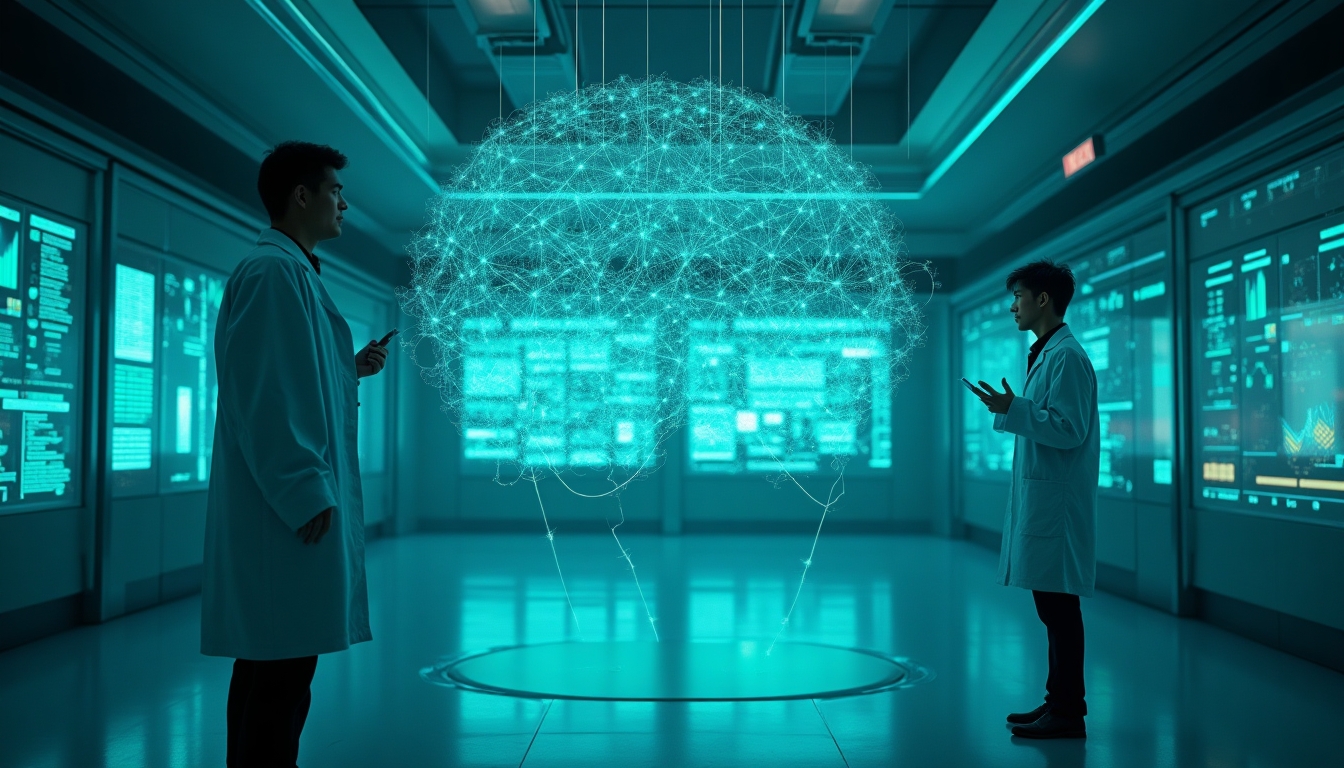
Technological Frameworks for Implementing ASI
Building upon the implications of Artificial Superintelligence (ASI) explored previously, it’s crucial to examine the technological frameworks that can support its development. This transition not only provides context but also prepares us to understand the mechanisms that could drive ASI from theoretical possibility to tangible reality.
Current Technological Foundations
Let me explain how foundational technologies like machine learning and neural networks have charted the path towards ASI. A few decades ago, computers struggled with basic problem-solving concepts. The advancement of these technologies has been nothing short of a digital renaissance. Historically, the advent of IBM's Deep Blue, which famously defeated world chess champion Garry Kasparov in 1997, marked the beginning of AI's capability to outperform human intelligence in specific domains.
However, the real momentum began with the development of TensorFlow and other open-source frameworks that democratized access to machine learning tools. Think of it this way: these platforms are like giving scientists a powerful new microscope for examining the intricate details of data patterns and learning intelligence itself. With a growing base of contributors, machine learning evolved from rule-based systems to models capable of self-improvement, much like Google Brain and its transformative contributions to deep learning.
Comparing past efforts to these more recent advancements shows remarkable progress. Previous models were prone to brittleness, unable to adapt beyond predefined knowledge. Today, they learn dynamically, evident in projects like DeepMind's AlphaGo defeating global champions by leveraging historical gameplay to innovate its strategy. But the leap from these achievements to ASI requires monumental changes.
Currently, leading entities including Alphabet's DeepMind, Meta Platforms, and MIT spearhead advancements. By exploring neural networks' capacious potential, these organizations push boundaries, contributing to a growing toolbox of AI methodologies aimed at achieving ASI.
This foundation sets the stage for exploring future technologies, as we transition to discuss the next wave that could catapult these current technologies into the realm of ASI implementation.
Future Technologies Required for ASI
The reality is that developing ASI is akin to assembling a vast puzzle, and emerging technologies like quantum computing are the missing pieces. The potential of quantum computing heralds a revolution in computing power, offering the ability to solve problems previously thought unsolvable due to sheer computational complexity.
At present, these technologies sit at the experimental phase, with milestones such as Google's Quantum AI demonstrating significant strides toward increasing the qubits necessary for robust problem-solving.
Simultaneously, fields like bioinformatics are advancing, allowing for the integration of biological data with computational models. This aligns with efforts from companies like OpenAI, which explore hybrid models that couple organic and machine intelligence.
Industry dynamics reflect a landscape fervently shifting focus toward these frontiers. Market leaders are investing billions into collaborative research, acknowledging the transformative potential of achieving true ASI. Current projections indicate that by the late 2020s, technologies enabling ASI could become widely actionable, driven by the current pace of development.
With a precise understanding of where we stand today, we now turn our gaze forward, exploring the frameworks required to ensure ASI's development is safe, ethical, and aligned with human values.
Risk and Safety Measures in ASI Development
While venturing into ASI's future is exhilarating, it comes bundled with significant risks. Concerns range from existential risks to the misuse of power in AI decision-making. According to experts like Eliezer Yudkowsky, who has advocated for AI alignment, ensuring that AI goals are consistent with human values, is paramount.
We must consider the implications. What would you do if an ASI system decided priorities contrary to human welfare? This question fuels the development of frameworks designed to guide ASI towards beneficial behaviors. As explained in the AI Safety Whitepaper by OpenAI, creating robust AI alignment protocols is crucial to mitigate threats.
Looking ahead, the ASI landscape demands vigilance. Leaders such as Sam Altman urge continuous ethical oversight, promoting frameworks like incentive-compatible value alignment systems. By 2030, experts predict robust systems capable of self-correcting misalignments will be in place.
As we conclude this section, the narrative of risk management naturally guides us towards understanding the broader implications ASI holds for humanity's future. Point 4 will delve deeper into economic and societal transformations, offering a window into the opportunities and challenges facilitated by ASI's integration into daily life.

Economic and Societal Transformations through ASI
The journey from contemplating the potential of Artificial Superintelligence (ASI) to witnessing its tangible impact on our daily lives is as exciting as it is daunting. As we navigate the technological frameworks described earlier, we must now consider how ASI reshapes economies and societies. The blending of economic opportunities with sociopolitical challenges offers a landscape rife with both promise and complexity.
Economic Opportunities Unlocked by ASI
Think of ASI as a catalyst of economic renewal, a force that could reinvent industries just as steam engines reshaped the Industrial Revolution. ASI's potential to bolster unprecedented economic growth lies in its unparalleled capacity for innovation and efficiency. With the precision of a seasoned artisan weaving intricate patterns, ASI could unlock doors to realms previously unimagined.
Sectors poised to benefit the most include biotechnology, where ASI might accelerate breakthroughs in genetic research, and energy, where it could optimize resource utilization for sustainable solutions. According to a recent report by McKinsey, industries such as health care, manufacturing, and logistics stand to gain significantly from ASI-driven innovations, leading to efficiency gains and cost reductions.
However, with great potential comes substantial risk. The truth is simpler than we might anticipate: sectors resistant to change or slow to adapt may face decline. Take, for example, conventional manufacturing, where traditional jobs could be overshadowed by automation, potentially increasing unemployment if reskilling opportunities are not prioritized.
In this economic reconfiguration, it's crucial for businesses to lean into ASI's potential. Strategies include investing in research and development to stay ahead, fostering partnerships with tech innovators, and re-skilling the workforce to become ASI literate. For businesses eager to lead in this new era, the journey starts by embracing change.
As we transition our gaze from the economic realm to societal transformations, we see how the ASI metamorphosis continues to weave its narrative.
Societal Changes and Challenges
The societal landscape, much like an artist’s canvas, reveals hues of both potential and controversy under the ASI influence. These intelligent systems promise to redefine societal norms, presenting opportunities for enhanced connectivity and well-being, yet also posing questions of ethics and equality.
While ASI heralds a future where personalized medical treatments and AI-enhanced education are commonplace, it also challenges us to reevaluate our ethical frameworks. The Asilomar AI Principles provide one framework for aligning technology with humanity's best interests. Yet, implementing these principles in a rapidly evolving world is a Herculean task.
Consider the potential societal inequalities ASI might exacerbate. The digital divide, a chasm where access to technology creates a gap between various socio-economic groups, could widen, as those without access to ASI technologies are left behind. Without careful regulatory oversight, as Kate Crawford, an AI ethicist, warns, the promise of ASI could unravel into a dystopia.
Governments and policymakers must adapt current legal frameworks to meet ASI's advancements, ensuring protections against misuse while fostering innovation. We are challenged to walk a tightrope between regulation and freedom, striving for a society where ASI serves all equitably.
Forward-looking policymakers and tech visionaries engage in this dialogue, contemplating ASI's role as both tool and collaborator in our collective future, seamlessly binding societal aspirations with technological capabilities.
As our discussions pave a path towards sustainable societal integration, the role of education and reskilling becomes increasingly vital.
The Role of Education and Reskilling
In a world where ASI influences job markets, education stands as our greatest ally—the essential blueprint for workforce adaptability. This shift demands a revolution in the way we learn, emphasizing dynamic skills over static knowledge.
Consider a future where learning is unbound by constraints of time and space. Educational institutions, from elementary schools to universities, are tasked with crafting curricula that prepare students for ASI-infused careers. New learning frameworks could include courses that focus on ethics in technology, data science, and hybrid AI skills.
Governments and private sectors play pivotal roles here. Invest in partnerships between industry and academia that promote continuous learning, and incentivize businesses to support ongoing employee education. The World Bank highlights the importance of lifelong learning in ensuring that all citizens can harness these new tools.
What would you do if faced with the opportunity to innovate the educational sphere? Forward-thinking educators are already developing virtual labs and gamified learning systems to engage students, preparing new generations for a tech-driven marketplace. Yet each of us, regardless of sector, carries a responsibility to adapt and grow alongside these advancements.
As we move toward Point 5, the anticipation builds to consolidate our understanding, preparing us to envision a world where ASI is both a visionary and architect, intricately weaving the fabric of tomorrow.

Consolidating the Vision for ASI: A Path Forward
As we navigate the intricate landscape of artificial superintelligence (ASI), the journey from biological to post-biological intelligence has unveiled a plethora of opportunities, challenges, and ethical considerations. This discussion now culminates in offering insights and frameworks that encapsulate the essence of our exploration, bringing together the rich tapestry woven in the preceding sections.
Synthesis of ASI Discussions
The journey through understanding the evolution of intelligence painted a vivid picture of how human capabilities have historically set the stage for the emergence of ASI. It began with dissecting the Deep Blue's defeat of Garry Kasparov and led us to marvel at AlphaGo's mastery. These milestones set the foundation for ASI's new horizon.
In defining ASI, we acknowledged the complexity and potential inherent in ASI's processing power, which experts like Eliezer Yudkowsky and Stuart Russell have long debated. Their insights guided our understanding of ASI's ability to tackle complex global challenges like climate change and poverty.
Technological and ethical hurdles remain formidable yet navigable. Whether it's the development of quantum computing or the establishment of ethical guidelines like the Asilomar AI Principles, each step is a crucial advance. The roles of OpenAI, Google, and other tech giants cannot be understated as they spearhead efforts in AI research.
This synthesis is incomplete without addressing ASI’s societal implications. The shifts in employment, ethics, and governance require nuanced, forward-thinking strategies. While the risks of workforce disruption loom, avenues for re-skilling and educational reform, as explored in sections on education and societal transformations, highlight a resilient path forward.
Overall, the central themes of transformation, opportunity, and vigilance coalesce into a recognition of ASI as both a challenge and a beacon for potential progress. This thematic synthesis feeds directly into case studies, illustrating real-world applications which provide practical insights into ASI's evolving role in society.
Real-World Case Studies of ASI Application
Examining real-world applications of early ASI efforts reveals a mixture of groundbreaking achievements and valuable lessons. One notable example includes how an ASI system was utilized in London to optimize city logistics during the height of urban expansion demands. By analyzing traffic patterns and resource distribution, the system significantly reduced congestion and improved delivery efficiency, setting a new benchmark in urban planning.
The healthcare sector in Singapore has also embraced ASI, where AI-integrated systems detect disease patterns swiftly and suggest predictive treatments. This has exponentially increased the speed at which medical practitioners can respond to outbreaks, an invaluable capability evidenced during global health crises.
Housing developments in Sydney demonstrated ASI's potential in resource optimization, where construction projects implemented advanced ASI algorithms to minimize waste while maximizing sustainability. This approach has sparked interest globally, especially in metastasizing urban environments seeking sustainable solutions.
These case studies uncover best practices that can guide future ASI efforts. The lessons learned underscore the necessity of collaboration between human intuition and machine precision—a harmonious blend that maximizes outcomes. Identifying patterns in ASI application across sectors highlights the importance of ethical considerations, as they ensure deployments prioritize human well-being over mere technological advancement.
The way forward includes adopting robust policy frameworks tailored to specific sectors, fostering environments ripe for innovation. Creating multidisciplinary teams that merge tech acumen with ethical stewardship ensures ASI development aligns with societal values. Now, as we look to the horizon, we envisage what the next frontier holds for ASI as it continues to evolve.
Future Outlook and Constant Vigilance
Peering into the future, we find ourselves at the tipping point of unprecedented potential and transformations brought forth by ASI. The collective anticipation surrounding ASI's next decade reflects the pace at which technology, innovation, and society harmonize. But we must tread with both aspiration and caution.
Looking ahead 5-10 years, societies should anticipate enhancements in AI-assisted creativity—where computers not only assess but inspire new forms of art, music, and culture. Policies will need to evolve to support this creativity while safeguarding against ethical breaches and ensuring intellectual property rights.
Moreover, the intersection of ASI with emerging technologies like quantum computing consolidates the advancement of problem-solving capabilities, cutting across global industries. As these synergies materialize, vigilance becomes crucial: regulatory bodies must be proactive rather than reactive, anticipating ethical dilemmas before they unfold.
The long-term implications also touch upon the educational paradigms we embrace. Students in today's classrooms must be prepared to question, engage, and innovate within an ASI-influenced framework, a sentiment echoed by educational reformists worldwide.
In closing Point 5, we encourage an unwavering commitment to harnessing ASI's potential while maintaining a mindful edge. Standing at the forefront of this evolution entails welcoming innovation with open arms yet steadfastly guarding against the pitfalls of unchecked progress. The conversation now seamlessly transitions toward the practical roadmap, illustrating how ASI solutions manifest engineered efficacy against global challenges.

ASI Solutions: Unleashing Superintelligence for Global Challenges
Amidst the hum of technological progress and whispers of ethical debates, Artificial Superintelligence (ASI) emerges as a beacon of promise. But how might ASI tangibly tackle the world's most pressing concerns? Think of it as a chess grandmaster approaching a complex game with decades of practice; ASI would carefully dissect each move, offering creativity and foresight that both impress and astound. In this section, we'll explore an actionable framework for ASI to make significant strides in addressing global challenges, from poverty to climate change.
ASI Approach to the Problem
The reality is, ASI possesses a near-limitless capacity for rapid analysis and problem-solving. Let me explain how: imagine a global meeting across the virtual corridors of a multi-national endeavor akin to the Manhattan Project but with exponentially larger computational power. ASI, a virtuoso of information, would embark on a methodical breakdown of multifaceted issues.
- Identification: Pinpoint root causes through expansive data analysis, using correlation and causation like an expert surgeon discerning between symptom and disease.
- Decomposition: Divide daunting problems into manageable pieces, much like a delicate operation requiring intricate incision.
- Synthesis: Create vivid, multifactorial models to simulate potential solutions, drawing upon a repository of learnings far beyond human capability.
This systematic approach ensures that no dimension of a problem goes unexplored. As a result, ASI can foster solutions that align with both societal needs and environmental constraints, redefining precision with every strategic decision it proposes.
Novel Solution Framework
Designing methodologies for ASI must be rooted in adaptability and inclusivity. Inspired by the epoch-making Apollo Program, which epitomized human ambition, we'd adopt a staged approach, encapsulating complexity while embracing innovation.
- Stage 1: Exploration of Unknowns—Rapid prototyping guided by machine learning algorithms, leveraging real-time data to explore uncharted territories.
- Stage 2: Evaluation and Experiment—AI-driven simulations testing model accuracy against existing theoretical frameworks, refining hypotheses through cutting-edge quantification.
- Stage 3: Implementation and Integration—Scalable solutions aligned with ethical frameworks and adaptable to swift societal shifts.
This framework, akin to laying stepping stones across treacherous waters, ensures each step forward is backed by thorough investigation and expert consensus, resulting in a harmonious balance of progress and responsibility.
Expected Outcomes with Quantifiable Metrics
Set against the backdrop of aspirations realized, ASI promises measurable success that mirrors humanity’s greatest efforts. Imagine we harness ASI to alleviate global hunger; quantifiable metrics would include:
- Food Security Index: Elevation through optimized agricultural output and supply chain efficiency powered by predictive analytics.
- Carbon Emission Reduction: Achieved via AI-enhanced energy solutions, targeting a 30% reduction over the next decade as per environmental benchmarks.
- Education Access: Increase learner engagement and retention by 20% across developing nations through personalized, AI-driven curricula.
By establishing clear goals, ASI maintains accountability and provides a canvas on which progress is painlessly painted, capturing both achievement and potential.
Implementation Roadmap: Day 1 to Year 2
Phase 1: Foundation (Day 1 - Week 4)
- Day 1-7: Establish a steering committee with representatives from leading AI research centers such as OpenAI and DeepMind. Initiate a comprehensive review of current global challenges that ASI might address.
- Week 2-4: Conduct symposiums in major cities like San Francisco and New York, garnering multidisciplinary input from economists, technologists, and ethicists.
Phase 2: Development (Month 2 - Month 6)
- Month 2-3: Deploy collaborative platforms for real-time data sharing and solution modeling. Leverage quantum computing capabilities to accelerate ASI simulations, with oversight from universities like Stanford and MIT.
- Month 4-6: Implement pilot programs targeting specific issues, such as automated urban planning in Chicago and sustainable agriculture technologies in Africa.
Phase 3: Scaling (Month 7 - Year 1)
- Month 7-9: Broaden program reach, incorporating lessons from pilot projects to software systems compatible with governmental protocols. Engage with the arXiv community for further scrutiny and peer review.
- Month 10-12: Achieve partial automation across selected processes, such as renewable energy installation or healthcare logistics, with benchmarks validated by international bodies.
Phase 4: Maturation (Year 1 - Year 2)
- Year 1 Q1-Q2: Conduct comprehensive reviews of technological efficacy and sociocultural impacts. Iteratively refine algorithms informed by human-centric insights and machine intuition.
- Year 1 Q3-Q4: Finalize and operationalize full-scale interventions in targeted verticals. Cultivate active feedback loops to adapt to emergent challenges.
- Year 2: Release a transparent, globally accessible report, detailing progress, learnings, and future paths. Initiate handoff to long-term administrative structures capable of sustaining efforts post-deployment.
In bridging technological potential with transformative action, this dynamic roadmap equips policymakers, corporations, and communities with the tools to harness ASI responsibly and effectively. As we stand on the brink of profound change, may this blueprint illuminate the path toward a harmonious future.
As we conclude this exploration into the promise and plan of ASI solutions, let's segue into synthesizing our journey. The conclusion awaits, where reflections unveil the map ahead.

Conclusion: Navigating Our Path to an ASI Future
The journey we've taken through the intricate realms of post-biological intelligence and Artificial Superintelligence (ASI) has been nothing short of remarkable. Just as we began with a thought-provoking perspective on how these technologies may redefine human potential, we now understand the stunning possibilities that lie ahead. From the evolution of intelligence that brought us computers that can solve complex problems to the challenges society faces in adapting to ASI's rise, each insight we’ve uncovered paints a hopeful picture of the future. Who can forget the example of how ASI could tackle climate change or eradicate poverty? With thoughtful governance and ethical considerations, these dreams are not just aspirations; they are achievable milestones on our shared path forward.
This broader narrative connects us to values that unify humanity—innovation, ethics, and the pursuit of a better world. The truth is, as we stand on the brink of this new intelligence revolution, we have a unique opportunity to shape the future. As ASI evolves, it's important to remember that we, too, play a critical role in guiding its integration into society. It invites us to think about the employment landscape it will create, the ethical dilemmas it will pose, and the new societal norms that will emerge. IF we harness the collective potential and creativity of our communities, there is no limit to what we can achieve together.
So let me ask you:
How do you envision your role in a world increasingly influenced by ASI?
What responsibilities do we carry as we navigate the ethical landscape of technology that has the power to reshape our very existence?
Share your thoughts in the comments below.
If you found this thought-provoking, join the iNthacity community—the "Shining City on the Web"—where we explore technology and society. Become a permanent resident, then a citizen. Like, share, and participate in the conversation.
Embrace the dawn of a new era, for the future is a tapestry we can weave together, one thread of innovation at a time.

Frequently Asked Questions
What is post-biological intelligence and how does it work?
The short answer is that post-biological intelligence refers to artificial superintelligences (ASI) that operate beyond human limitations. This can be achieved through advancements in technology, particularly in machine learning and computational power. As ASI evolves, it could redefine problem-solving abilities, leading to unprecedented methodologies in various fields, from healthcare to climate science.
How does artificial superintelligence (ASI) differ from current AI?
Here's the thing: ASI outperforms any human intelligence and current AI systems. While traditional AI, like chatbots and recommendation engines, executes specific tasks efficiently, ASI can analyze complex global challenges and devise innovative solutions at unprecedented speeds. For example, OpenAI's developments hint at how ASI could revolutionize our approach to many issues.
Will ASI affect job markets significantly?
The short answer is yes, ASI will disrupt job markets. Many repetitive tasks might be automated, causing job displacement in certain industries. However, ASI is expected to create new job categories, focused more on human creativity and emotional intelligence. In practice, this means that workers will need reskilling and adaptability to thrive in an ASI-enhanced workforce.
What ethical considerations surround artificial superintelligence?
Ethical concerns about ASI focus on accountability and decision-making frameworks. As ASI systems take on significant roles in society, questions arise about how they make decisions and who is responsible for those choices. The Asilomar AI Principles propose guidelines to address these dilemmas, emphasizing the need for transparency and fairness in ASI development.
When will we see practical applications of ASI in everyday life?
The future outlook is promising, with anticipations of practical ASI applications emerging within the next decade. Early developments in areas such as healthcare, where ASI can analyze medical data and formulate treatment plans, are already being explored. As research progresses, widespread adoption could potentially occur around 2030.
Does ASI pose any safety risks or existential threats?
Yes, ASI raises significant safety concerns, particularly regarding misuse or unintended consequences. The potential for ASI to operate beyond human control creates scenarios of existential risk. Experts like Nick Bostrom challenge developers to prioritize safety and ethical guidelines to reduce these risks.
What are the societal changes expected with ASI's arrival?
ASI is poised to redefine societal norms, influencing interactions and access to opportunities. For instance, as ASI takes over certain roles, income inequality may widen if certain populations lack the skills to adapt. Managing the transitional changes effectively is key to ensuring that ASI benefits everyone, not just a select few.
Can ASI really address complex global challenges?
Absolutely, ASI's potential lies in its ability to analyze vast datasets and enhance decision-making processes for complex problems like climate change. By evaluating various scenarios and models, ASI could generate innovative strategies and solutions on a global scale. This capability positions ASI as a crucial ally in approaching urgent global issues.
How can individuals prepare for an ASI-influenced future?
Individuals should focus on enhancing their skills, particularly in areas that require creativity, emotional intelligence, and critical thinking. Learning about AI and technology can be beneficial as these skills become essential in the workforce. Participating in educational programs and seeking reskilling opportunities will help ensure adaptability in an ASI-driven society.
Why is understanding ASI important right now?
Understanding ASI is crucial because its developments are set to transform numerous aspects of our lives, from work to health care. Being informed enables us to participate in discussions about ethical guidelines, governance, and safety measures surrounding ASI. This awareness can help foster a collective approach that secures a positive future with ASI’s rise.
Disclaimer: This article may contain affiliate links. If you click on these links and make a purchase, we may receive a commission at no additional cost to you. Our recommendations and reviews are always independent and objective, aiming to provide you with the best information and resources.
Get Exclusive Stories, Photos, Art & Offers - Subscribe Today!
Related posts:
 The Post-Biological Sentience: Exploring Human Consciousness as Pure Information in the Age of ASI
 Post-Biological Humanity: Exploring the Complete Merge of Genetics and Machines
 Revolutionary BSTAR AI Is Breaking All The Rules Of Self-Improvement (Limitless Intelligence)
 AI’s Blueprint for a Dyson Swarm: Unlocking Limitless Energy from a Billion Suns
 Do Androids Pray? Exploring the Spiritual Potential of Artificial Intelligence





Post Comment
You must be logged in to post a comment.