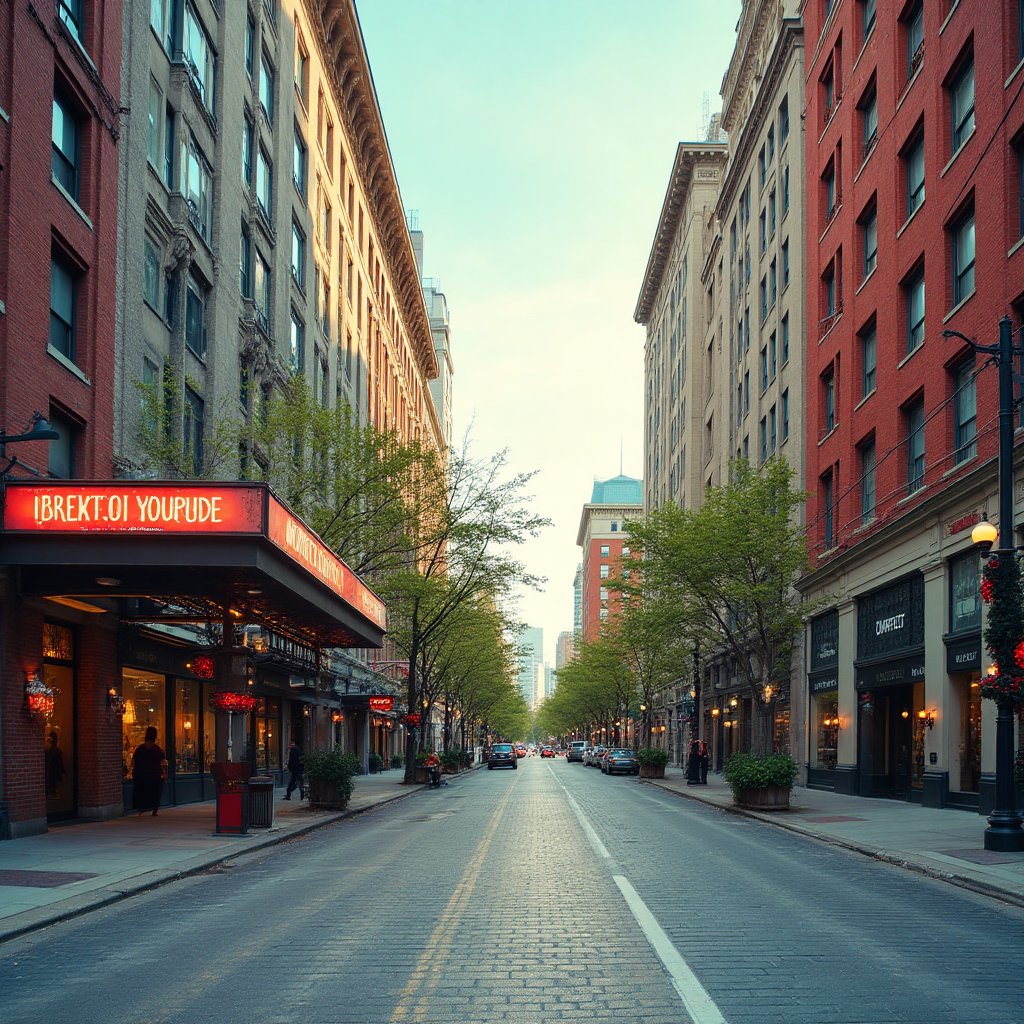
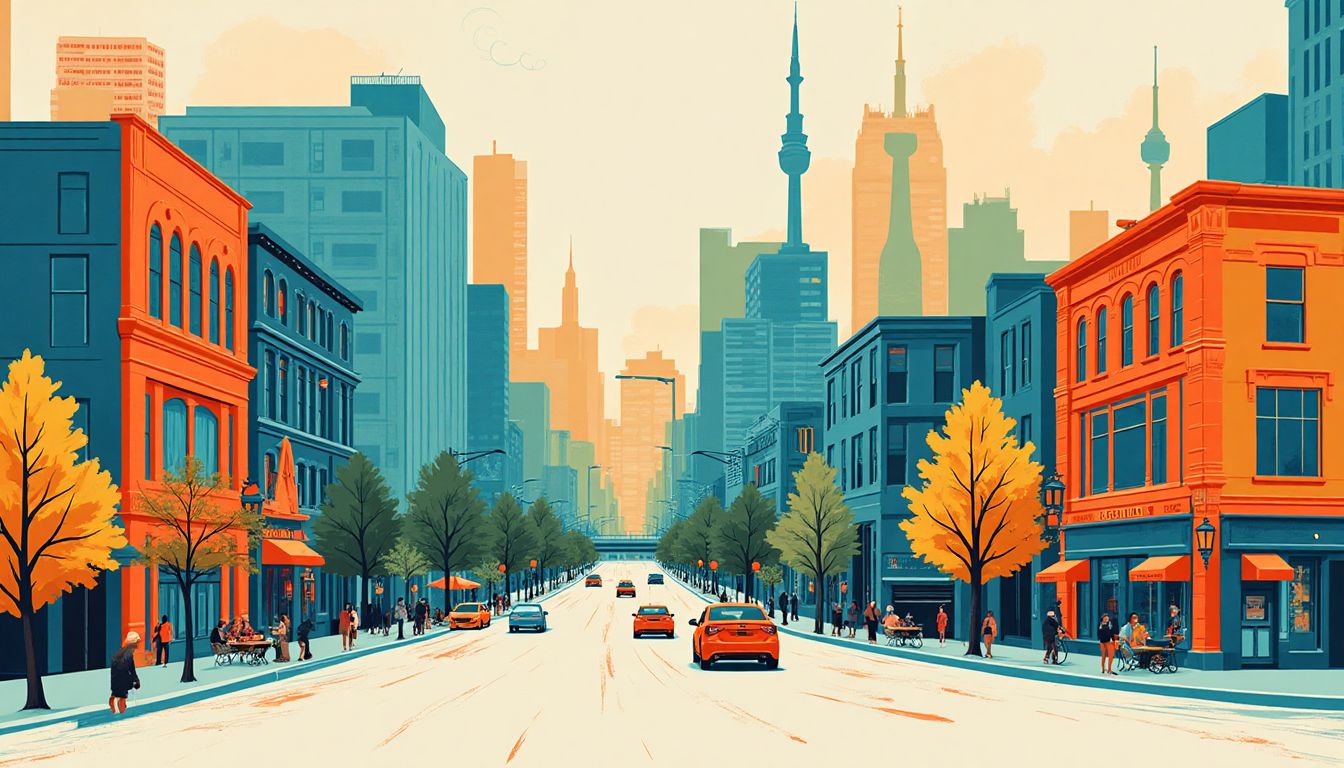
What makes a street legendary? Is it the length, the history, or the stories it holds? In Toronto, the answer is all of the above—and then some. Yonge Street isn’t just a road; it’s a living, breathing entity that has shaped the city’s identity for over two centuries. Stretching from the shores of Lake Ontario to the wilds of northern Ontario, Yonge Street is more than Toronto’s most famous street—it’s the longest street in the world, a title that sparks both pride and debate among Canadians.
Renowned urbanist Jane Jacobs once described cities as ecosystems, and Yonge Street is the beating heart of Toronto’s urban jungle. Historian Pierre Berton, a proud Canadian, called it “the spine of the nation,” a testament to its role in connecting communities and fostering growth. Even tech visionary Elon Musk, who once lived in Canada, has likely walked its bustling sidewalks, perhaps dreaming of the future while surrounded by its historic charm.
This article isn’t just about Yonge Street’s past; it’s about its present and future. From its origins as a military road to its transformation into a cultural and economic powerhouse, Yonge Street has always been a reflection of Toronto’s evolution. But as the city grows, so do the challenges: traffic congestion, urban sprawl, and the need for sustainable development. Could artificial intelligence (AI) be the key to solving these issues? We’ll explore how cutting-edge technology could revolutionize this iconic street, making it smarter, safer, and more vibrant than ever.
Yonge Street is Toronto’s most famous street, known for its rich history, cultural significance, and status as the longest street in the world. This article explores its origins, landmarks, and modern-day relevance, while also examining how AI could revolutionize its future.
The History of Yonge Street
Yonge Street’s story begins in 1794, when John Graves Simcoe, the first Lieutenant Governor of Upper Canada, envisioned a road that would connect Lake Ontario to Lake Simcoe. Named after Sir George Yonge, a British politician with a knack for road-building, Yonge Street was initially a military route designed to protect the fledgling colony from potential invasions. Simcoe’s vision was bold, but little did he know that his road would one day become the backbone of Canada’s largest city.
In its early days, Yonge Street was a dirt path carved through dense forests. It was a lifeline for settlers, traders, and soldiers, facilitating the movement of goods and people across the region. As Toronto (then known as York) grew, so did Yonge Street. By the mid-19th century, it had become a bustling thoroughfare lined with shops, taverns, and homes. The street’s strategic location made it a hub of commerce, attracting merchants and entrepreneurs from across the province.
One of Yonge Street’s most iconic landmarks is the St. Lawrence Market, a historic market that has been serving Torontonians since 1803. Known for its fresh produce, artisanal goods, and vibrant atmosphere, the market is a testament to Yonge Street’s enduring role as a center of trade and community. Another landmark is the Eaton Centre, a sprawling shopping mall that has become a symbol of modern Toronto. Opened in 1977, the Eaton Centre transformed Yonge Street into a retail powerhouse, attracting millions of visitors each year.
But Yonge Street’s history isn’t just about buildings and businesses; it’s about the people who have walked its sidewalks. From the early settlers who braved the wilderness to the musicians who made it the heart of Toronto’s music scene, Yonge Street has always been a place where stories are made. It’s a street that has seen it all—triumphs, tragedies, and everything in between. And as we look to the future, it’s clear that Yonge Street’s story is far from over.
Yonge Street as a Cultural Hub
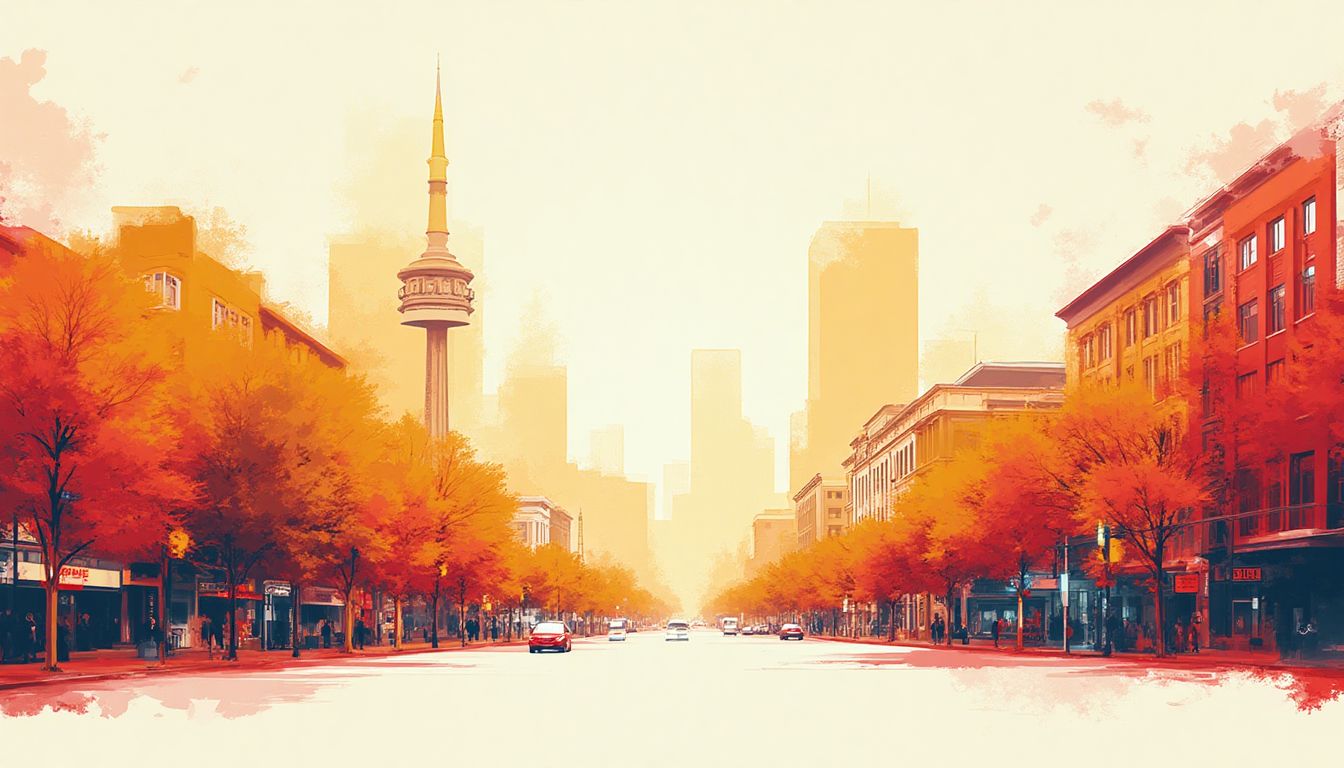
Yonge Street isn’t just a road; it’s a stage where Toronto’s vibrant culture takes center stage. From its bustling entertainment district to its eclectic mix of music venues and multicultural hotspots, Yonge Street is a microcosm of the city’s creative spirit. Let’s dive into what makes this street the heartbeat of Toronto’s cultural scene.
The Entertainment District
If Yonge Street had a crown jewel, it would be Yonge-Dundas Square. Often dubbed “Toronto’s Times Square,” this iconic public space is a hub of activity year-round. From live concerts and film screenings to cultural festivals and public art installations, there’s always something happening here. It’s the kind of place where you might stumble upon a flash mob, a food truck festival, or even a spontaneous dance-off. And let’s not forget the giant billboards and neon lights that give it that unmistakable urban vibe. If you’re looking for a taste of Toronto’s energy, this is the spot.
Music and Nightlife
Yonge Street has been the backbone of Toronto’s music scene for decades. The legendary Horseshoe Tavern, a staple since 1947, has hosted everyone from The Rolling Stones to local indie bands. It’s the kind of place where you can grab a pint, soak in the history, and maybe even catch the next big thing. But the Horseshoe is just the tip of the iceberg. Yonge Street is lined with bars, clubs, and live music venues that cater to every taste, from jazz and blues to EDM and hip-hop. Whether you’re a night owl or just looking for a fun evening out, Yonge Street has you covered.
Cultural Diversity
One of the things that makes Yonge Street truly special is its reflection of Toronto’s multicultural identity. Walk a few blocks, and you’ll find yourself transported to different corners of the world. Craving sushi? Head to one of the many Japanese restaurants. In the mood for tacos? There’s a spot for that too. From Korean BBQ to Italian gelato, Yonge Street is a foodie’s paradise. But it’s not just about the food. The street is also home to cultural institutions, art galleries, and shops that celebrate the city’s diverse communities. It’s a place where cultures collide, blend, and thrive—a true testament to Toronto’s inclusivity.
Yonge Street’s Economic Significance
Beyond its cultural allure, Yonge Street is a powerhouse of economic activity. It’s a retail haven, a real estate hotspot, and a magnet for tourists. Let’s break down how this iconic street fuels Toronto’s economy.
Retail and Commerce
Yonge Street is a shopper’s dream. From high-end boutiques to quirky local shops, there’s something for everyone. The Toronto Eaton Centre, one of Canada’s most visited shopping malls, anchors the street with its sprawling mix of retailers, restaurants, and entertainment options. But it’s not just about the big names. Yonge Street is also home to countless small businesses that add to its unique charm. Whether you’re hunting for the latest fashion trends, vintage finds, or artisanal goods, Yonge Street delivers.
Real Estate and Development
Yonge Street’s prime location has made it a magnet for real estate development. Over the years, the street’s skyline has transformed with the addition of sleek high-rise condos and office towers. These developments not only provide housing and workspace but also contribute to the street’s dynamic character. However, this rapid growth has also sparked debates about preserving the street’s historic charm. Balancing progress with preservation is a challenge, but it’s one that city planners and developers are tackling head-on.
Tourism and Hospitality
Yonge Street is a must-visit for anyone exploring Toronto. Its mix of attractions, dining, and shopping draws millions of visitors each year, making it a key driver of the city’s tourism industry. Hotels, hostels, and Airbnb rentals along the street cater to every budget, ensuring that everyone can experience the magic of Yonge Street. And let’s not forget the street’s role as a backdrop for countless movies, TV shows, and Instagram posts. It’s not just a street; it’s a destination.
Challenges Facing Yonge Street
Yonge Street, despite its iconic status, is not without its challenges. As one of Toronto’s busiest thoroughfares, it faces issues that impact both its functionality and its future. Let’s dive into the key challenges and what they mean for the street and the city.
Traffic and Congestion
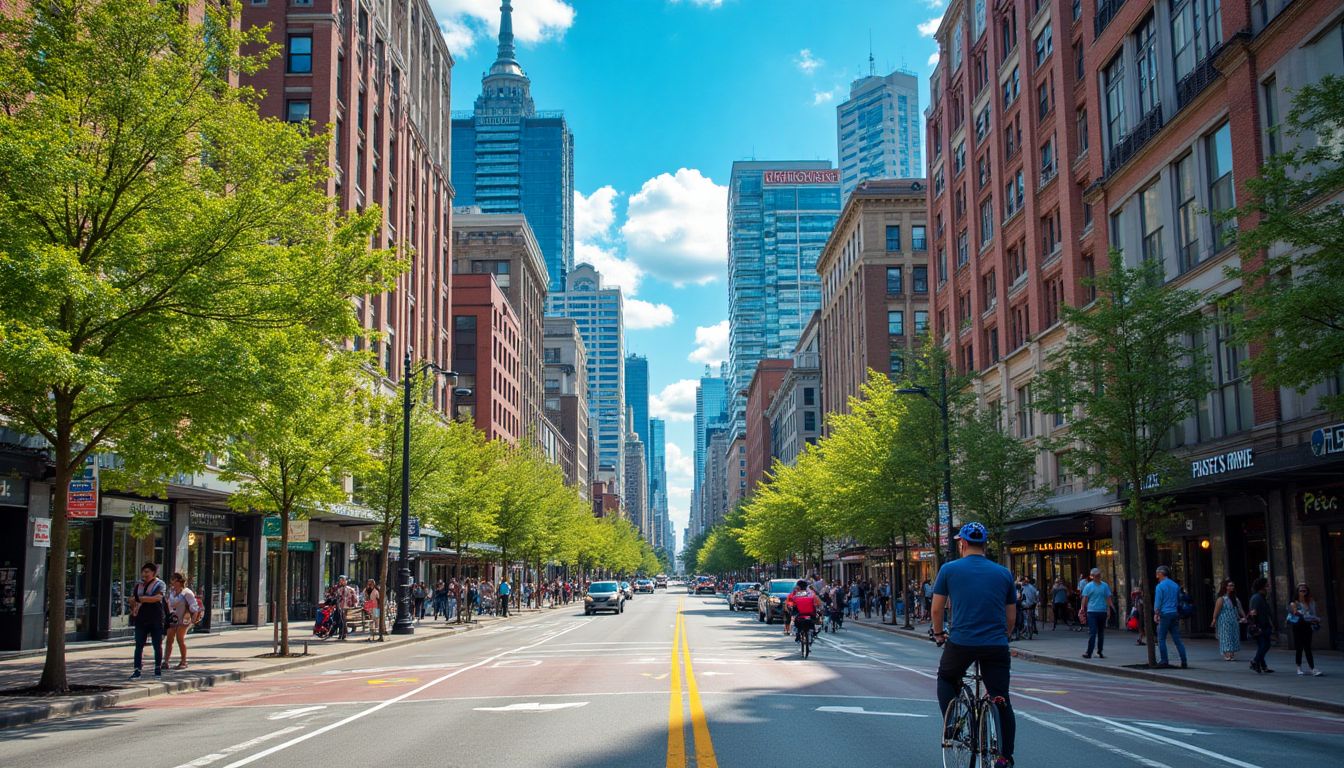
Yonge Street is a magnet for traffic, with thousands of vehicles, cyclists, and pedestrians navigating its length daily. This congestion isn’t just frustrating—it’s a barrier to efficiency and safety. For commuters, it means longer travel times. For businesses, it can mean lost customers. The City of Toronto has been working on solutions, such as expanding public transit options and implementing bike lanes, but the problem persists. Could AI-powered traffic management systems be the answer? Imagine sensors and algorithms working together to optimize traffic flow in real time, reducing bottlenecks and improving safety.
Urban Planning and Infrastructure
Rapid development along Yonge Street has brought both opportunities and challenges. High-rise condominiums and office towers are transforming the skyline, but this growth has raised concerns about urban planning. How do we balance development with preserving the street’s historic character? Infrastructure is another issue. Aging utilities and roadways need upgrades to handle the increasing demands of a growing population. The city has launched initiatives like the Yonge Street Planning Study to address these concerns, but the road ahead is long.
Safety and Security
Ensuring the safety of everyone on Yonge Street is a top priority. From pedestrians crossing busy intersections to cyclists navigating traffic, the street can be a hazardous place. The city has implemented measures like improved lighting and crosswalks, but more can be done. AI-driven surveillance systems could enhance public safety by monitoring activity and alerting authorities to potential issues. Additionally, community policing and public awareness campaigns can help create a safer environment for all.
The Future of Yonge Street
Yonge Street’s future is as dynamic as its past. With ongoing revitalization projects, sustainability efforts, and community engagement, the street is poised to remain a vibrant part of Toronto’s identity. Let’s explore what’s on the horizon.
Revitalization Projects
The City of Toronto is investing in projects to breathe new life into Yonge Street. One such initiative is the YongeTOmorrow Project, which aims to create pedestrian-friendly zones, add green spaces, and improve the overall streetscape. These changes are designed to make Yonge Street more accessible and enjoyable for everyone, from locals to tourists.
Sustainability and Innovation
Sustainability is a key focus for Yonge Street’s future. Efforts are underway to reduce carbon emissions and promote eco-friendly practices. For example, the city is exploring the use of renewable energy sources and green building materials in new developments. Innovation also plays a role, with initiatives like smart lighting and waste management systems that use AI to optimize efficiency. These efforts not only benefit the environment but also enhance the quality of life for those who live, work, and play on Yonge Street.
Community Engagement
The future of Yonge Street isn’t just in the hands of city planners—it’s a collaborative effort. Local residents and businesses have a voice in shaping the street’s development. Public consultations and community forums provide opportunities for people to share their ideas and concerns. By working together, we can ensure that Yonge Street remains a vibrant and inclusive space for generations to come. Want to get involved? Check out the Yonge Street Community Engagement page to learn more.
AI Solutions: How Could AI Enhance Yonge Street?
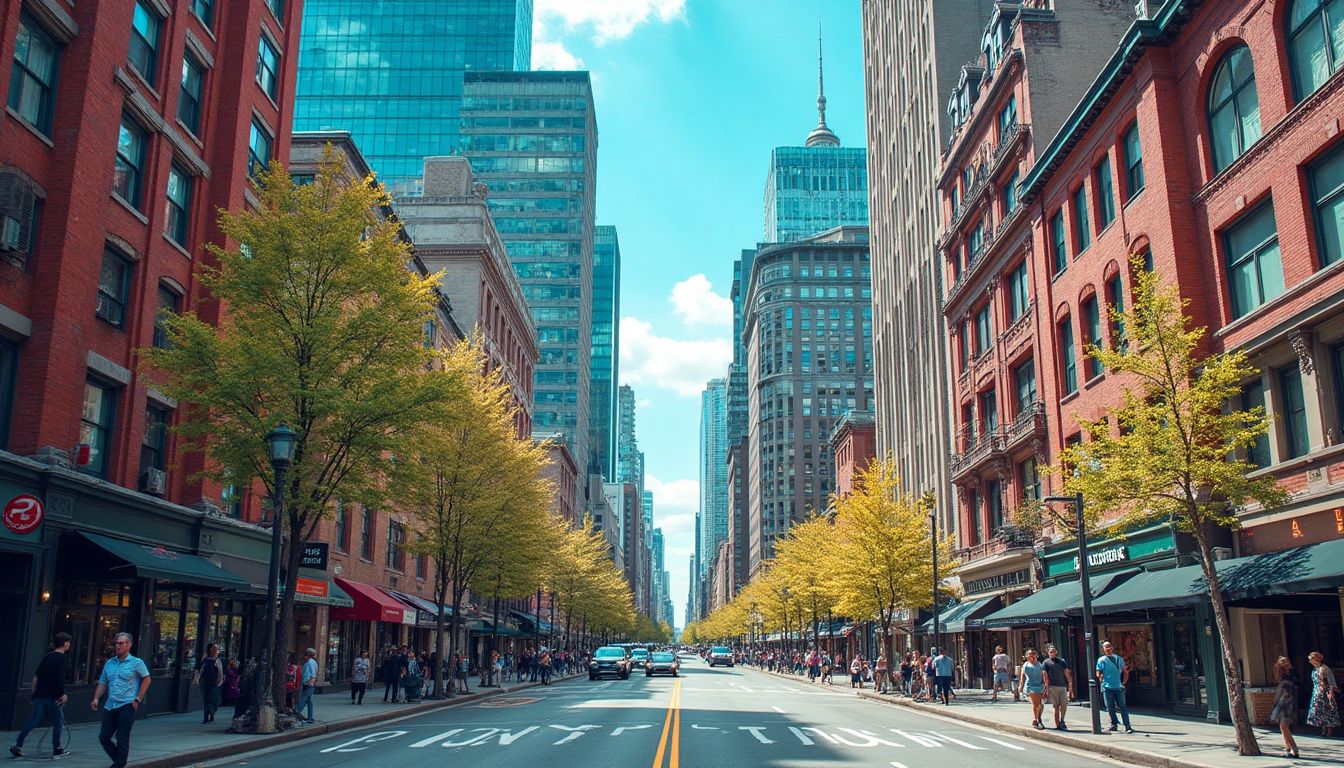
Yonge Street, Toronto’s most iconic thoroughfare, is a microcosm of the city’s challenges and opportunities. As urban centers grow, the need for innovative solutions becomes paramount. Artificial intelligence (AI) offers a transformative approach to addressing Yonge Street’s complexities, from traffic congestion to public safety. Here’s how AI could revolutionize this historic street and set a precedent for urban innovation worldwide.
Smart Traffic Management
One of Yonge Street’s most pressing issues is traffic congestion. AI-powered traffic management systems, like those developed by Siemens and Waymo, could optimize traffic flow in real time. By analyzing data from sensors, cameras, and GPS devices, AI can adjust traffic signals, reroute vehicles, and reduce bottlenecks. Imagine a Yonge Street where rush hour feels like a breeze—AI can make that a reality.
Predictive Maintenance
Yonge Street’s infrastructure, from its roads to its public transit systems, requires constant upkeep. AI-driven predictive maintenance, as pioneered by companies like GE and IBM, can monitor the condition of infrastructure and predict when repairs are needed. This proactive approach minimizes disruptions and ensures the street remains safe and functional for all users.
Enhanced Public Safety
Safety is a top priority for any urban space. AI-powered surveillance systems, such as those developed by Hikvision, can detect unusual activity and alert authorities in real time. Additionally, AI can analyze crime patterns to deploy resources more effectively, making Yonge Street safer for pedestrians, cyclists, and motorists alike.
Personalized Tourism Experiences
Yonge Street is a major tourist destination, and AI can enhance the visitor experience. Apps powered by AI, like those created by TripAdvisor, can provide personalized recommendations for restaurants, shops, and attractions. Imagine a tourist receiving real-time updates about events at Yonge-Dundas Square or discounts at the Eaton Centre—AI makes it possible.
Data-Driven Urban Planning
As Yonge Street evolves, urban planning must keep pace. AI can analyze vast amounts of data to inform decisions about zoning, transportation, and public spaces. Tools like Esri’s GIS software can map out future developments, ensuring Yonge Street remains a vibrant and inclusive space for all.
Action Schedule/Roadmap
To implement these AI solutions, a structured roadmap is essential. Here’s a detailed plan to transform Yonge Street into a smart, sustainable, and safe urban space:
- Day 1: Assemble a multidisciplinary team of urban planners, AI experts, data scientists, and community leaders to assess Yonge Street’s current challenges and opportunities.
- Week 1: Conduct a comprehensive survey of Yonge Street’s infrastructure, traffic patterns, and public safety measures using drones and IoT sensors.
- Month 1: Develop a pilot AI-powered traffic management system for a section of Yonge Street, leveraging technologies from NVIDIA and Intel.
- Month 2: Launch a public engagement campaign to gather input from residents, businesses, and tourists about their needs and concerns.
- Year 1: Implement AI-driven predictive maintenance for Yonge Street’s infrastructure, using platforms like Predix.
- Year 1.5: Roll out a citywide AI-powered public safety system, integrating surveillance and emergency response technologies.
Year 2: Evaluate the impact of AI solutions on traffic flow, safety, and tourism, and make adjustments based on data-driven insights.
Yonge Street: A Legacy of Innovation and Community
Yonge Street is more than just a street; it’s a living testament to Toronto’s resilience, diversity, and ambition. From its origins as a military road to its current status as a cultural and economic hub, Yonge Street has always been at the heart of the city’s evolution. As we look to the future, the integration of AI offers a unique opportunity to address modern challenges while preserving the street’s historic character.
Imagine a Yonge Street where traffic flows seamlessly, where infrastructure is maintained proactively, and where public safety is enhanced through cutting-edge technology. Picture a street that offers personalized experiences for tourists while fostering a sense of community among residents. This vision is not just a dream—it’s a tangible goal that can be achieved through innovation and collaboration.
As Toronto continues to grow, Yonge Street will remain a symbol of the city’s spirit. By embracing AI and other technological advancements, we can ensure that this iconic thoroughfare remains a vibrant and inclusive space for generations to come. The future of Yonge Street is not just about technology; it’s about people, culture, and the enduring legacy of a city that never stops evolving.
What role do you think AI should play in shaping urban spaces? How can we balance innovation with the preservation of history and culture? Share your thoughts in the comments below and join the conversation about the future of Yonge Street. Don’t forget to subscribe to our newsletter for more insights and updates on Toronto’s most iconic street. Become a permanent resident of iNthacity: the "Shining City on the Web" and stay connected to the pulse of innovation.
FAQ
Q: Why is Yonge Street considered the longest street in the world?
Yonge Street stretches over 1,800 kilometers (1,100 miles) from the shores of Lake Ontario to the northern reaches of Ontario. This incredible length earned it the title of the longest street in the world.
Q: What are some must-visit landmarks on Yonge Street?
Yonge Street is home to several iconic landmarks, including:
- Yonge-Dundas Square, often called Toronto’s Times Square.
- The Eaton Centre, a massive shopping mall in the heart of the city.
- St. Lawrence Market, a historic market known for its fresh produce and local goods.
Q: How is AI being used to improve Yonge Street?
Artificial intelligence (AI) is being explored to enhance Yonge Street in several ways:
- Smart Traffic Management: AI systems can optimize traffic flow and reduce congestion.
- Predictive Maintenance: AI monitors infrastructure to identify and fix issues before they become major problems.
- Public Safety: AI-powered surveillance and emergency response systems improve safety for everyone.
- Tourism: AI apps provide personalized recommendations for visitors.
Q: What are the main challenges facing Yonge Street?
Yonge Street faces several challenges, including:
- Traffic Congestion: As one of Toronto’s busiest streets, traffic can be a major issue.
- Urban Planning: Rapid development raises concerns about preserving the street’s historic character.
- Safety: Ensuring the safety of pedestrians, cyclists, and motorists is a top priority.
Q: How can I get involved in shaping the future of Yonge Street?
You can participate in public engagement initiatives organized by the City of Toronto. Share your ideas with local community leaders and city planners to help shape the street’s future.
Q: What makes Yonge Street a cultural hub?
Yonge Street is a cultural hub because of its:
- Entertainment: It’s home to The Horseshoe Tavern and other iconic music venues.
- Diversity: The street reflects Toronto’s multicultural identity with diverse restaurants and shops.
- Events: Yonge-Dundas Square hosts concerts, festivals, and public events year-round.
Q: How does Yonge Street contribute to Toronto’s economy?
Yonge Street is a major economic driver for Toronto through:
- Retail: Flagship stores and shopping centers attract shoppers from across the city.
- Real Estate: High-rise condos and office towers are transforming the skyline.
- Tourism: Millions of visitors come to Yonge Street each year, boosting local businesses.
Q: What are some future plans for Yonge Street?
Future plans include:
- Revitalization: Creating pedestrian-friendly zones and green spaces.
- Sustainability: Reducing carbon emissions and promoting eco-friendly practices.
- Community Engagement: Involving residents and businesses in shaping the street’s future.
Q: Where can I find more local news about Toronto?
For the latest updates, visit Toronto News on inthacity.com.
Wait! There's more...check out our gripping short story that continues the journey: City Unveiled
Disclaimer: This article may contain affiliate links. If you click on these links and make a purchase, we may receive a commission at no additional cost to you. Our recommendations and reviews are always independent and objective, aiming to provide you with the best information and resources.
Get Exclusive Stories, Photos, Art & Offers - Subscribe Today!









Post Comment
You must be logged in to post a comment.