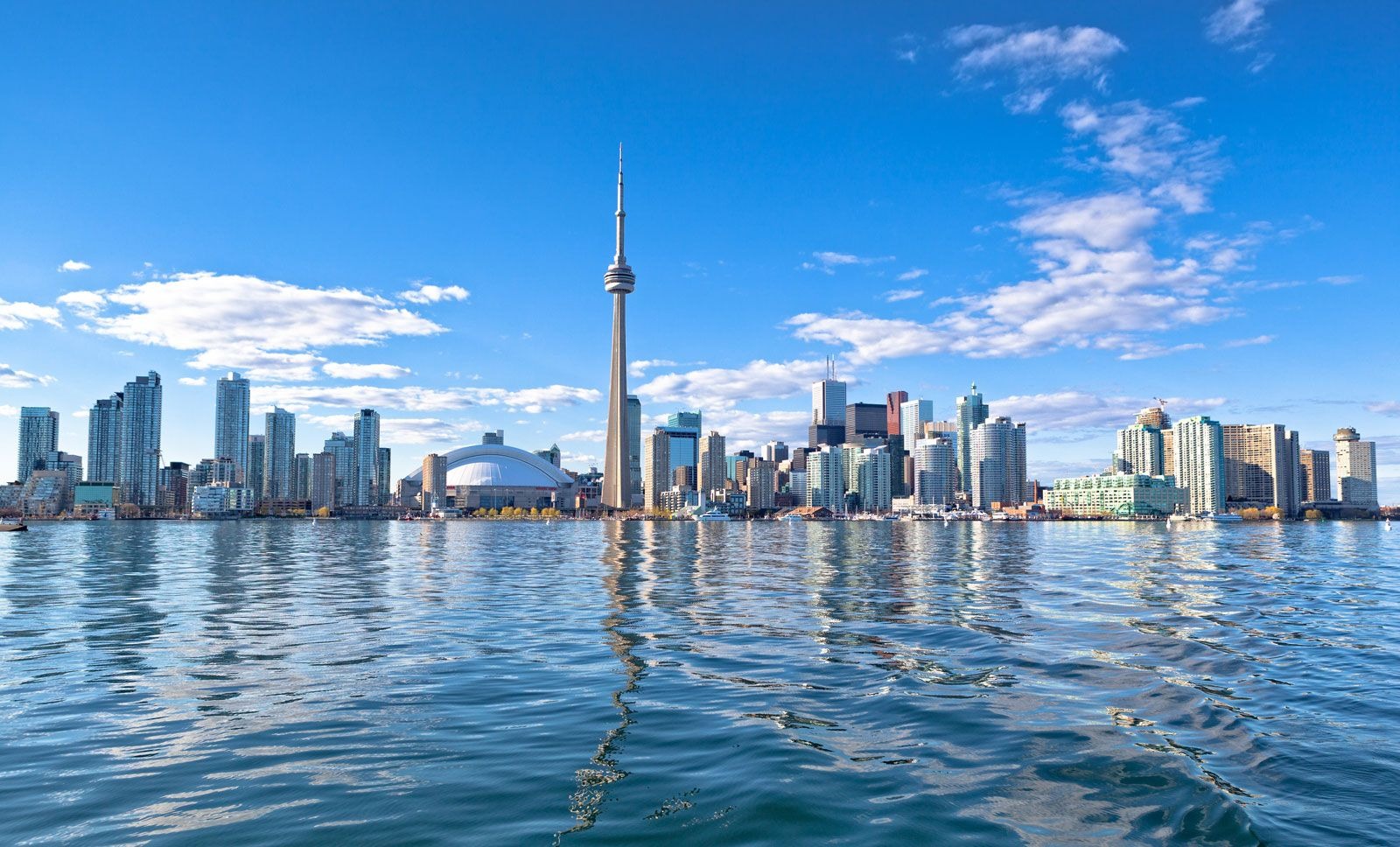
Toronto and Ottawa, two of Canada’s most iconic cities, are often compared—but why does Toronto steal the spotlight on the global stage? It’s a question that has puzzled urban planners, economists, and even casual observers. Renowned urbanist Jane Jacobs once described cities as "engines of innovation," and Toronto certainly fits that bill. Meanwhile, Ottawa, Canada’s political heart, often plays second fiddle in the fame department. Even Malcolm Gladwell, the master of dissecting societal quirks, might find the contrast between these two cities fascinating. And let’s not forget Richard Florida, who argues that cities thrive on creativity and diversity—qualities Toronto has in spades.
Toronto, Canada’s largest city, is a global hub for finance, culture, and entertainment. It’s the kind of place where skyscrapers kiss the clouds, and the streets hum with the energy of over 200 languages. Ottawa, on the other hand, is the nation’s capital, a city of stately government buildings and quiet charm. While Ottawa is where laws are made, Toronto is where dreams are built. For visitors, investors, and even Canadians, understanding why Toronto outshines Ottawa is more than just trivia—it’s a lesson in what makes a city truly global. To dive deeper into Toronto’s local scene, check out the Toronto News & Helpful Links portal. This article explores the reasons behind Toronto’s fame, offers AI-driven solutions for Ottawa’s growth, and provides a roadmap for achieving parity.
Why is Toronto more famous than Ottawa? Toronto’s global appeal stems from its economic dominance, diverse culture, world-class entertainment, and international connectivity, while Ottawa remains a quieter political hub with less global recognition.
Economic Dominance and Global Influence
When it comes to economic clout, Toronto is Canada’s undisputed heavyweight champion. Home to the Toronto Stock Exchange (TSX), one of the largest in the world, the city is a magnet for investors and businesses. Major banks like RBC and TD Bank have their headquarters here, making Toronto the financial heart of the nation. It’s no wonder the city is often called the "Wall Street of the North."
Ottawa, by contrast, is more of a niche player in the economic arena. While it’s known for government institutions and tech companies like Shopify, it lacks the global financial muscle of Toronto. Ottawa’s economy is steady, but it doesn’t have the same international buzz. Think of it as the reliable accountant to Toronto’s flashy CEO. For more insights into Ottawa’s local economy, visit the Ottawa News & Helpful Links portal.
Cultural Vibrancy and Diversity
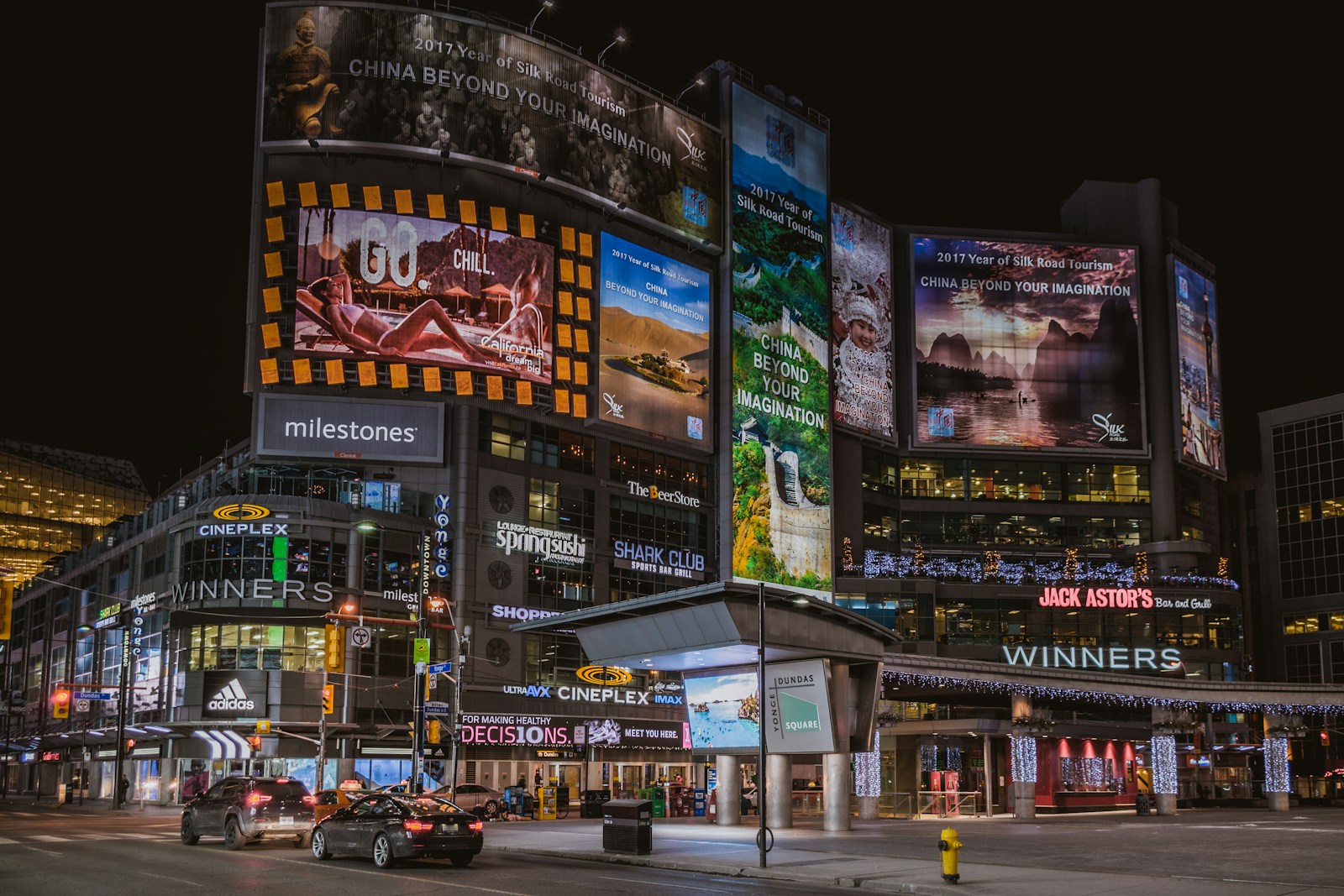
Toronto’s multicultural identity is one of its most defining features. Over 50% of its population is foreign-born, making it one of the most diverse cities in the world. This melting pot of cultures is reflected in its neighborhoods, festivals, and daily life. From the vibrant streets of Chinatown to the bustling markets of Kensington Market, Toronto offers a cultural experience like no other. The city’s diversity is celebrated through events like the Toronto International Film Festival (TIFF), which attracts global stars and filmmakers, and Caribana, a vibrant celebration of Caribbean culture that draws millions of visitors each year.
In contrast, Ottawa’s cultural scene is more focused on national heritage and history. The city is home to iconic institutions like the Canadian Museum of History and the National Gallery of Canada, which showcase Canada’s rich past and artistic achievements. While these attractions are significant, they don’t have the same global reach as Toronto’s international festivals. Ottawa’s cultural events, such as Winterlude, are beloved by locals and visitors alike but remain more nationally focused. It’s like comparing a cozy family gathering to a blockbuster party—both are great, but one definitely has more fireworks.
Entertainment, Sports, and Media
When it comes to entertainment, Toronto is a global powerhouse. The city’s skyline is dominated by the iconic CN Tower, a symbol of its modernity and ambition. Toronto is also home to major sports teams like the Toronto Raptors, the Toronto Maple Leafs, and the Toronto Blue Jays, which have passionate fan bases and international followings. The city’s entertainment industry thrives with global film productions, earning it the nickname “Hollywood North.” Shows like The Handmaid’s Tale and movies like The Shape of Water were filmed here, putting Toronto on the map as a hub for creativity and innovation.
Ottawa, on the other hand, has a more modest entertainment scene. The city is proud of its Ottawa Senators hockey team and hosts cultural events like Winterlude, which celebrates Canada’s winter culture. While these are cherished by locals, they don’t have the same global impact as Toronto’s entertainment offerings. It’s like comparing a local indie band to a chart-topping superstar—both have their charm, but one definitely has a bigger stage.
International Connectivity and Tourism
When it comes to global connectivity, Toronto stands head and shoulders above Ottawa. At the heart of this advantage is Toronto Pearson International Airport, Canada’s busiest airport, serving over 180 destinations worldwide. This makes Toronto a gateway for international travelers, business professionals, and tourists alike. Imagine stepping off a plane in Toronto and being just minutes away from the city’s bustling downtown core, iconic landmarks, and diverse neighborhoods. It’s no wonder Toronto is often the first stop for visitors to Canada.
Ottawa, on the other hand, relies on Ottawa Macdonald-Cartier International Airport, which primarily serves domestic and U.S. routes. While it’s efficient for regional travel, its limited international reach means Ottawa isn’t always on the radar for global tourists. This difference in connectivity has a ripple effect on tourism and business opportunities. For instance, major international conferences and events are more likely to be held in Toronto, where attendees can easily fly in from around the world.
Here’s a quick comparison of the two airports:
| Airport | Destinations | Passenger Traffic (Annual) |
|---|---|---|
| Toronto Pearson | 180+ | 50 million+ |
| Ottawa Macdonald-Cartier | 50+ | 5 million+ |
Beyond airports, Toronto’s public transit system, including the Toronto Transit Commission (TTC), makes it easy to navigate the city. Ottawa’s OC Transpo is efficient but doesn’t match Toronto’s scale. This ease of movement enhances Toronto’s appeal as a tourist destination and a place to do business.
For more local insights, check out the Toronto News & Helpful Links portal, where you’ll find everything from event highlights to travel tips.
Urban Development and Skyline
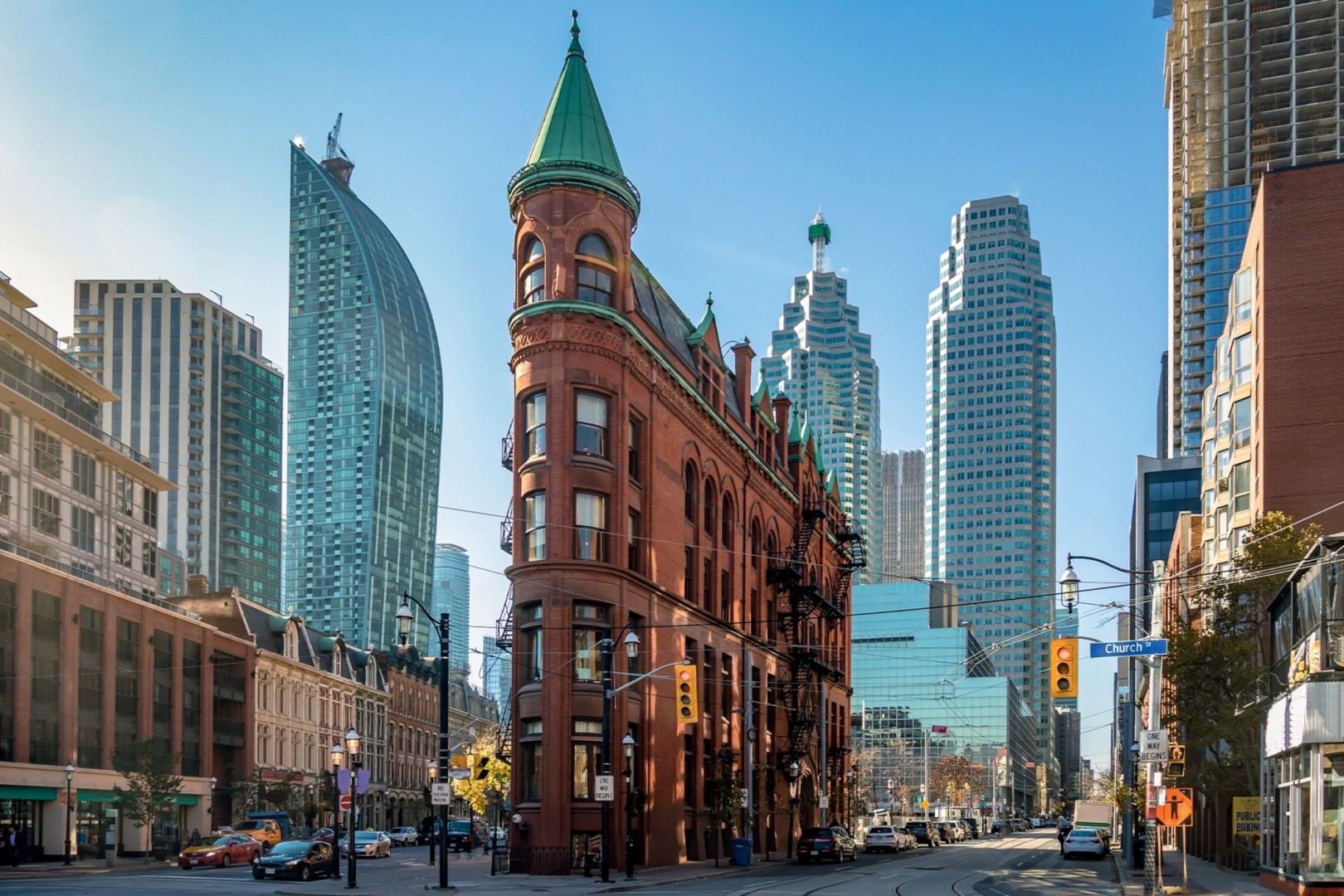
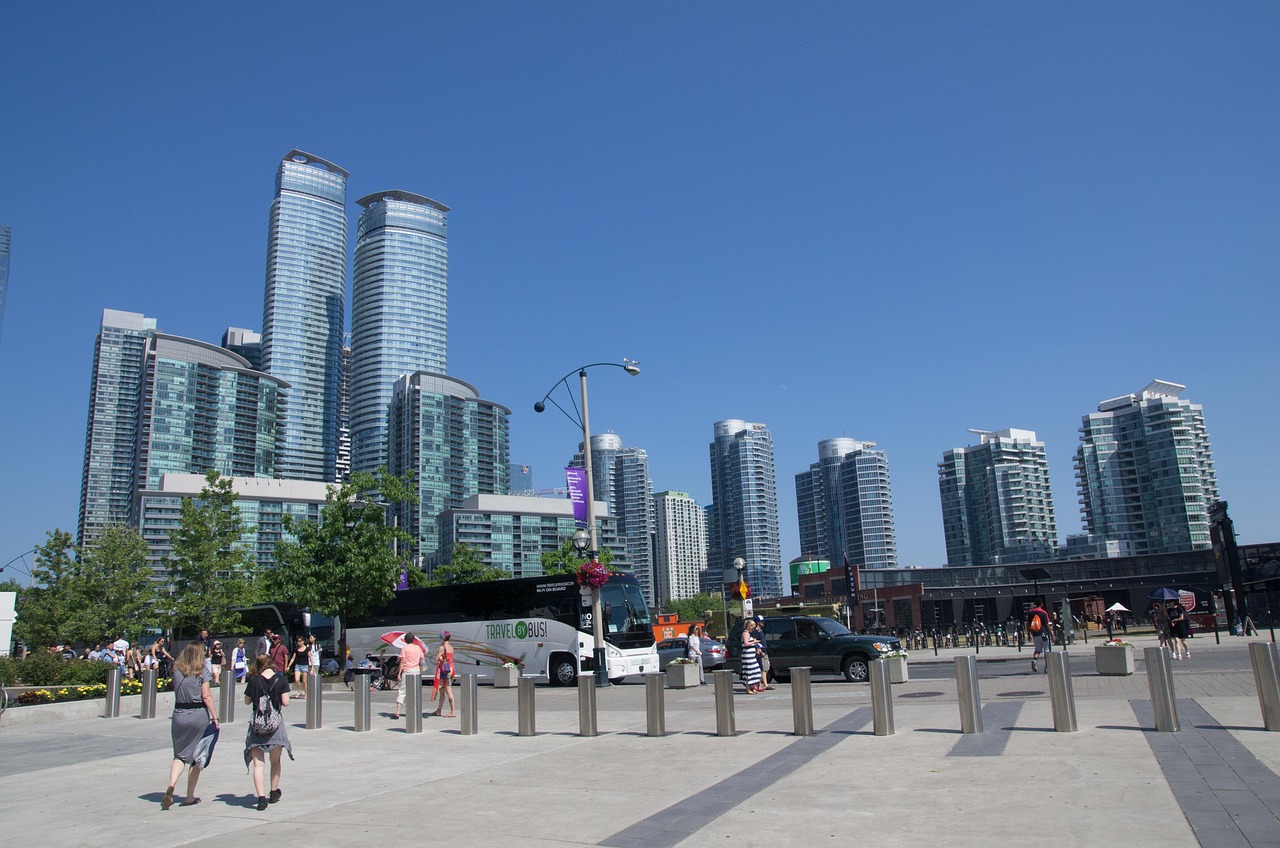
Toronto’s skyline is a testament to its ambition and growth. Dominated by the iconic CN Tower, the city boasts a forest of skyscrapers that reflect its status as a global metropolis. From the sleek modernity of the Ice Condominiums to the architectural marvel of the L Tower, Toronto’s buildings tell a story of innovation and progress. This skyline isn’t just visually stunning—it’s a symbol of the city’s economic vitality and international appeal.
Ottawa, by contrast, takes a more understated approach. The city’s skyline is characterized by historic buildings like the Parliament of Canada and the Château Laurier. While these landmarks are undeniably beautiful, they reflect Ottawa’s focus on preserving its heritage rather than embracing modernity on the same scale as Toronto.
Here’s a snapshot of how the two cities compare:
- Toronto: Modern skyscrapers, vibrant neighborhoods like the Distillery District, and a skyline that’s constantly evolving.
- Ottawa: Historic architecture, a focus on preserving national landmarks, and a skyline that emphasizes tradition over transformation.
Toronto’s urban development isn’t just about height—it’s about creating spaces that inspire. The Waterfront Toronto project, for example, is transforming the city’s shoreline into a hub of innovation and sustainability. Ottawa’s developments, like the LeBreton Flats revitalization, are impressive but smaller in scale and scope.
For more on what makes Toronto tick, explore the Toronto News & Helpful Links portal. From the latest in urban development to hidden gems in the city, it’s your go-to resource for all things Toronto.
Here's the HTML for Point 6 (AI Solutions) and the Conclusion, following your detailed outline:
AI Solutions: How Artificial Intelligence Could Bridge the Gap
While Toronto's fame seems unassailable, Ottawa has untapped potential that artificial intelligence could help unlock. Imagine if Ottawa deployed cutting-edge AI with the same strategic focus that the Manhattan Project applied to physics. Here's how modern machine learning could transform Canada's capital into a global contender:
Data-Driven Tourism Reinvention
Ottawa could deploy IBM Watson's natural language processing to analyze millions of travel blogs and social media posts, identifying exactly what international visitors crave but aren't finding in Toronto. An AI system like Salesforce Einstein could then generate hyper-personalized travel itineraries that highlight Ottawa's unique offerings - from secret skating spots on the Rideau Canal to underground music venues in the ByWard Market.
Smart Urban Development 2.0
Using Sidewalk Labs' digital twin technology, Ottawa could create a virtual replica of the entire city. This would allow planners to simulate the impact of new cultural districts or transit lines before breaking ground. AI-powered traffic systems from Waymo could optimize light rail schedules in real-time based on event attendance at the Canadian Tire Centre.
Cultural Content Revolution
An AI curator trained on global museum attendance data could redesign the National Gallery's exhibits to increase international appeal. Ottawa could partner with OpenAI to create multilingual virtual tour guides that adapt their storytelling based on visitors' facial expressions and engagement levels.
Economic Growth Hacking
Machine learning algorithms could analyze Toronto's business ecosystem to identify companies that would benefit from Ottawa's lower costs and talent pool. The city could then use Palantir-style predictive analytics to offer customized relocation packages before these firms even consider moving.
Transportation Transformation
Ottawa International Airport could implement Amadeus' AI-powered route planning to identify underserved international connections. Self-driving shuttle networks from Cruise could create seamless links between government offices, hotels, and cultural sites.
Action Schedule/Roadmap: The Ottawa Ascendancy Plan
| Timeline | Action Items | Key Players |
|---|---|---|
| Day 1 | Form "Team Future Capital" with urban AI specialists from University of Toronto and University of Ottawa, plus representatives from Ottawa Tourism | Chief AI Officer, City Manager, Federal Liaison |
| Week 1 | Deploy Coveo AI to analyze 10 years of tourism data and identify missed opportunities | Data Science Team, Marketing Director |
| Month 1 | Launch AI-generated "Secret Ottawa" Instagram campaign targeting Toronto-weary millennials | Social Media Team, AI Content Creators |
| Month 3 | Begin construction on AI-designed "Innovation Mile" linking Parliament to Shopify headquarters with mixed-use spaces | Urban Planners, Architects, Construction Firms |
| Month 6 | Implement DeepMind traffic algorithms to reduce downtown congestion by 40% | Transportation Engineers, AI Specialists |
| Year 1 | Host first "AI Winterlude" with interactive ice sculptures that change based on crowd reactions | Event Planners, AI Artists, Tourism Board |
| Year 1.5 | Open AI-powered "Museum of Canadian Futures" with exhibits that evolve daily based on global news | Museum Directors, AI Curators, Historians |
| Year 2 | Announce new direct flights to Tokyo and Berlin based on AI-predicted demand models | Airport Authority, Airlines, Data Scientists |
Ottawa's Coming of Age Story
As we've explored, Toronto's fame didn't happen by accident - it's the result of decades of strategic investments in culture, business, and infrastructure. But in the AI age, Ottawa has an unprecedented opportunity to leapfrog traditional growth timelines. The technologies we've discussed aren't science fiction; they're tools being used right now by forward-thinking cities from Singapore to Helsinki.
What makes Ottawa special isn't just its political significance, but its potential to become what urban theorists call a "living lab" for 21st century governance. Imagine if every policy decision from bike lanes to business incentives could be stress-tested in virtual reality before implementation. Picture an airport where AI concierges greet visitors in their native language, already knowing their preferred activities based on digital footprints.
The roadmap we've outlined isn't just about catching up to Toronto - it's about redefining what a capital city can be in the digital era. While Toronto will always have the CN Tower and the Raptors, Ottawa could become known as the city where democracy meets artificial intelligence, where historic institutions coexist with cutting-edge innovation.
For those interested in following Ottawa's transformation, check out the latest developments on our Ottawa city portal. And for our Toronto readers, don't rest on your laurels - the future of Canadian cities is being written now.
Could Ottawa's very "underdog" status become its greatest asset in attracting talent tired of superstar cities? Might we see a reverse migration of tech workers seeking Ottawa's quality of life once AI makes it as connected as Toronto? The next decade will tell, but one thing's certain - in the age of artificial intelligence, even city rivalries need to get smarter.

FAQ
Q1: Why is Toronto more famous than Ottawa?
A1: Toronto’s fame comes from its economic strength, cultural diversity, and global influence. It’s home to the Toronto Stock Exchange (TSX), major sports teams like the Toronto Maple Leafs and Toronto Raptors, and world-renowned events like the Toronto International Film Festival (TIFF). In contrast, Ottawa is known primarily as Canada’s political capital, with fewer global attractions.
Q2: Can Ottawa ever become as famous as Toronto?
A2: Yes, Ottawa has the potential to grow its global appeal. By focusing on areas like tourism, urban development, and economic diversification—especially with the help of AI-driven strategies—Ottawa could attract more international attention. For example, hosting global events or improving transportation infrastructure could make a big difference.
Q3: What are the key differences between Toronto and Ottawa?
A3: Key differences include:
- Economy: Toronto is Canada’s financial hub, while Ottawa focuses on government and technology, with companies like Shopify.
- Culture: Toronto is culturally diverse with international festivals, while Ottawa emphasizes national history and museums.
- Entertainment: Toronto boasts global attractions like the CN Tower, while Ottawa has a quieter, more local vibe.
Q4: How can AI help Ottawa grow?
A4: AI can help Ottawa in several ways:
- Tourism: AI can analyze global trends to create targeted marketing campaigns.
- Urban Planning: Tools like Sidewalk Labs can optimize city development.
- Economic Growth: AI can identify opportunities to attract businesses and startups.
- Transportation: AI can improve airport connectivity and public transit efficiency.
Q5: Where can I find more information about Toronto and Ottawa?
A5: For local insights, visit the Toronto city portal and the Ottawa city portal.
Q6: What makes Toronto’s cultural scene more vibrant than Ottawa’s?
A6: Toronto’s cultural vibrancy comes from its diversity. Over half of its population is foreign-born, creating a mix of traditions, cuisines, and festivals. Events like Caribana and TIFF attract global audiences. Ottawa’s cultural scene is more focused on national history, with attractions like the Canadian Museum of History.
Q7: What are some iconic landmarks in Toronto and Ottawa?
A7: Toronto is known for:
Ottawa’s iconic landmarks include:
Q8: How does Toronto’s population compare to Ottawa’s?
A8: Toronto is Canada’s largest city, with a population of over 2.9 million people. Ottawa, while smaller, still ranks as one of Canada’s largest cities with a population of about 1 million. Toronto’s size contributes to its bustling, cosmopolitan atmosphere, while Ottawa feels more compact and community-oriented.
Wait! There's more...check out our gripping short story that continues the journey: City Tomorrow: The Ultimate Competition of Innovation

Disclaimer: This article may contain affiliate links. If you click on these links and make a purchase, we may receive a commission at no additional cost to you. Our recommendations and reviews are always independent and objective, aiming to provide you with the best information and resources.
Get Exclusive Stories, Photos, Art & Offers - Subscribe Today!










1 comment