The Beginner’s Guide to Woodworking Joinery: What You Need to Know
Woodworking is a craft that has been honed over centuries, from the intricate joinery of ancient Chinese temples to the robust furniture of 18th-century Europe. It’s a skill that requires patience, precision, and a touch of artistry. But let’s face it—those YouTube videos make it look a lot easier than it is. Ever tried to build a simple shelf only to end up with a wobbly mess that looks like it survived a tornado? You’re not alone. The secret to sturdy, beautiful woodworking lies in the joints you use. Joinery is the glue (sometimes literally) that holds everything together.
Legendary woodworker Sam Maloof once said, “A joint is only as strong as the care you put into it.” And he wasn’t wrong. Whether you’re crafting a rustic coffee table or a sleek modern cabinet, the type of joint you choose can make or break your project. Even Popular Mechanics has dedicated countless articles to the art of joinery, proving it’s not just for pros. Meanwhile, Bob Vila has been preaching the gospel of woodworking for decades, showing us how the right joint can turn a pile of wood into a masterpiece.
This guide is your roadmap to mastering the basics of woodworking joinery. We’ll break down the different types of joints, their strengths and weaknesses, and the tools you’ll need to get started. By the end, you’ll be ready to tackle your first project with confidence—and maybe even impress your friends with your newfound skills.
Woodworking joinery is the art of connecting pieces of wood to create strong, functional, and aesthetically pleasing structures. From simple butt joints to complex dovetails, mastering joinery is essential for any woodworking project.
1. Understanding the Basics of Woodworking Joinery
1.1 What is Woodworking Joinery?
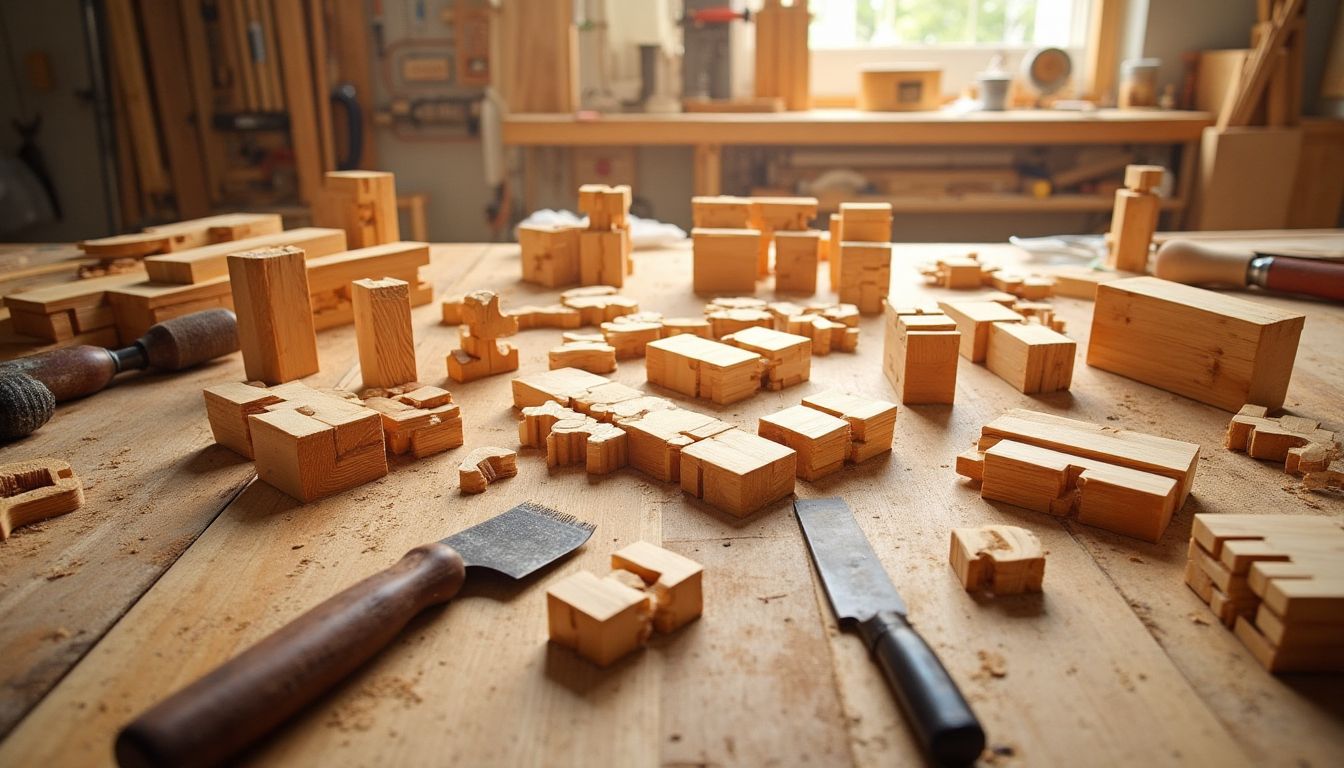
Woodworking joinery is the method of connecting two or more pieces of wood to form a structure. It’s the backbone of any woodworking project, determining how well your creation will hold up over time. Think of it like the skeleton of your project—without strong joints, everything else falls apart. Literally.
Joints come in all shapes and sizes, each with its own set of strengths and weaknesses. Some are simple enough for beginners to tackle in an afternoon, while others require the precision of a seasoned craftsman. But no matter your skill level, understanding the basics of joinery is the first step to creating sturdy, beautiful projects.
1.2 Types of Joints: An Overview
There’s a joint for every occasion, and choosing the right one depends on what you’re building. Here’s a quick rundown of the most common types:
- Butt Joints: The most basic joint, where two pieces of wood are glued or screwed together at a right angle. Simple but not always the strongest.
- Miter Joints: Similar to butt joints but cut at an angle, often used in picture frames and trim work.
- Lap Joints: Where two pieces of wood overlap, creating a stronger connection than a butt joint.
- Dovetail Joints: The gold standard of joinery, known for their strength and aesthetic appeal. Often used in drawer construction.
- Mortise and Tenon Joints: A classic joint where a tenon (a protruding piece of wood) fits into a mortise (a hole). Great for furniture and structural projects.
1.3 Tools You’ll Need
You don’t need a garage full of tools to get started, but a few essentials will make your life a lot easier. Here’s what every beginner should have:
- Saws: A handsaw or circular saw for cutting wood to size.
- Chisels: For carving out mortises or cleaning up joints.
- Clamps: To hold your pieces together while the glue dries.
- Measuring Tools: A tape measure, combination square, and marking knife to ensure precision.
If you’re just starting out, consider investing in a basic set of tools from Amazon’s woodworking section. You don’t need to break the bank to get started, but having the right tools will make all the difference.
2. Simple Joints for Beginners
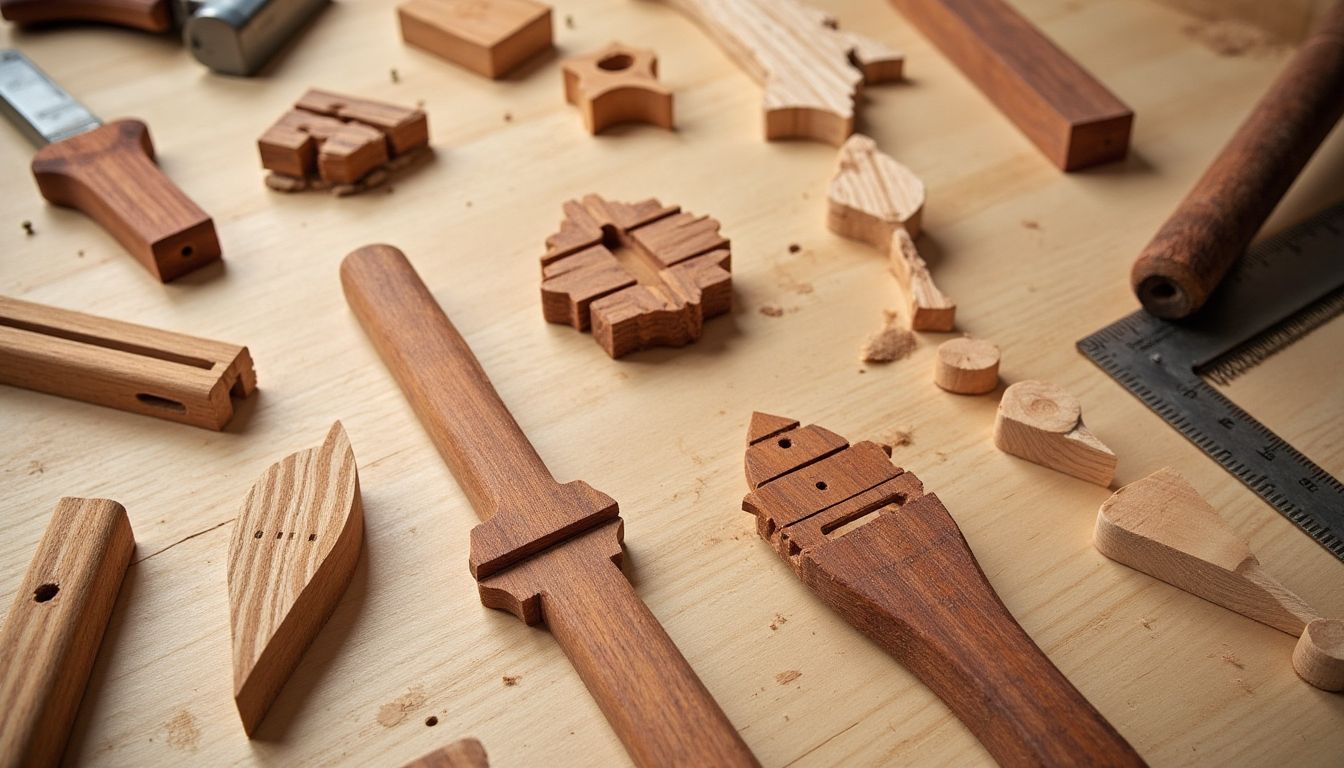
Alright, rookie woodworkers—time to get your hands dirty with the ABCs of joinery. These are the joints your grandpa probably used (and then bragged about for decades). They’re simple, forgiving, and perfect for when you’re still figuring out which end of the chisel to hold. Let’s break them down like a pallet in a woodchipper.
2.1 Butt Joints: The “Just Glue It” Special
Picture this: two pieces of wood meet at a 90-degree angle. You slap some glue on them, clamp them together, and call it a day. That’s a butt joint—the IKEA of woodworking joints. It’s fast, easy, and about as strong as a house of cards in a hurricane. But hey, we all start somewhere.
- When to use it: Picture frames, temporary jigs, or when you’re in a hurry (and okay with your project collapsing later).
- Pro tip: Reinforce it with screws or nails unless you enjoy the sound of splintering wood. Check out these basic clamps to keep things steady.
2.2 Miter Joints: Fancy Corners for Fancy Folks
Ever seen a picture frame with a seamless 45-degree corner? That’s a miter joint—the woodworking equivalent of a perfectly folded burrito. It looks sleek, but getting those angles just right is like trying to parallel park a Tesla blindfolded.
- When to use it: Moldings, frames, or anytime you want to impress your mother-in-law.
- Pro tip: A miter saw is your best friend here. Or, if you’re feeling medieval, a hand saw and a prayer.
2.3 Pocket Hole Joints: The Cheater’s Shortcut
Pocket holes are the duct tape of woodworking—ugly but effective. You drill an angled hole, drive a screw through it, and boom: instant joint. It’s the go-to move for Ana White fans and anyone who hates measuring twice.
- When to use it: Cabinets, tables, or when you’re too lazy to learn dovetails.
- Pro tip: Grab a Kreg jig—it’s like training wheels for joinery.
3. Intermediate Joints for Stronger Connections
Congratulations! You’ve graduated from “glue and pray” to “measure and swear.” These joints require a bit more finesse, but they’ll turn your wobbly creations into furniture that might actually survive a move.
3.1 Lap Joints: The Overachiever’s Handshake
Imagine two pieces of wood overlapping like Olympic synchronized swimmers. That’s a lap joint—simple but sturdy. Half-lap, cross-lap, dovetail lap… it’s like a woodworking soap opera with endless drama (and sawdust).
- When to use it: Table legs, frames, or anytime you need strength without bulk.
- Pro tip: A sharp chisel is key. Dull tools are why your joints look like they’ve been gnawed by beavers.
3.2 Dado Joints: The Shelf’s Best Friend
Dados are grooves cut into wood to hold another piece—like a bookshelf’s version of a hug. They’re strong, invisible, and easier to cut than explaining why you bought another Festool (we won’t judge).
- When to use it: Bookshelves, cabinets, or any project that needs to hold weight.
- Pro tip: Use a router or table saw with a dado stack. Or, if you’re old-school, a chisel and patience (good luck).
3.3 Rabbet Joints: The Underdog of Joinery
Rabbets are like dados’ shy cousin—they’re just a notch on the edge of a board. Perfect for drawer backs or cabinet bottoms, they’re the unsung heroes of “why doesn’t this wobble anymore?” moments.
- When to use it: Drawer construction, cabinet backs, or when you want to feel like a joinery ninja.
- Pro tip: A router makes quick work of rabbets. Or, channel your inner Paul Sellers and go hand-tool-only.
4. Advanced Joints for Precision and Durability
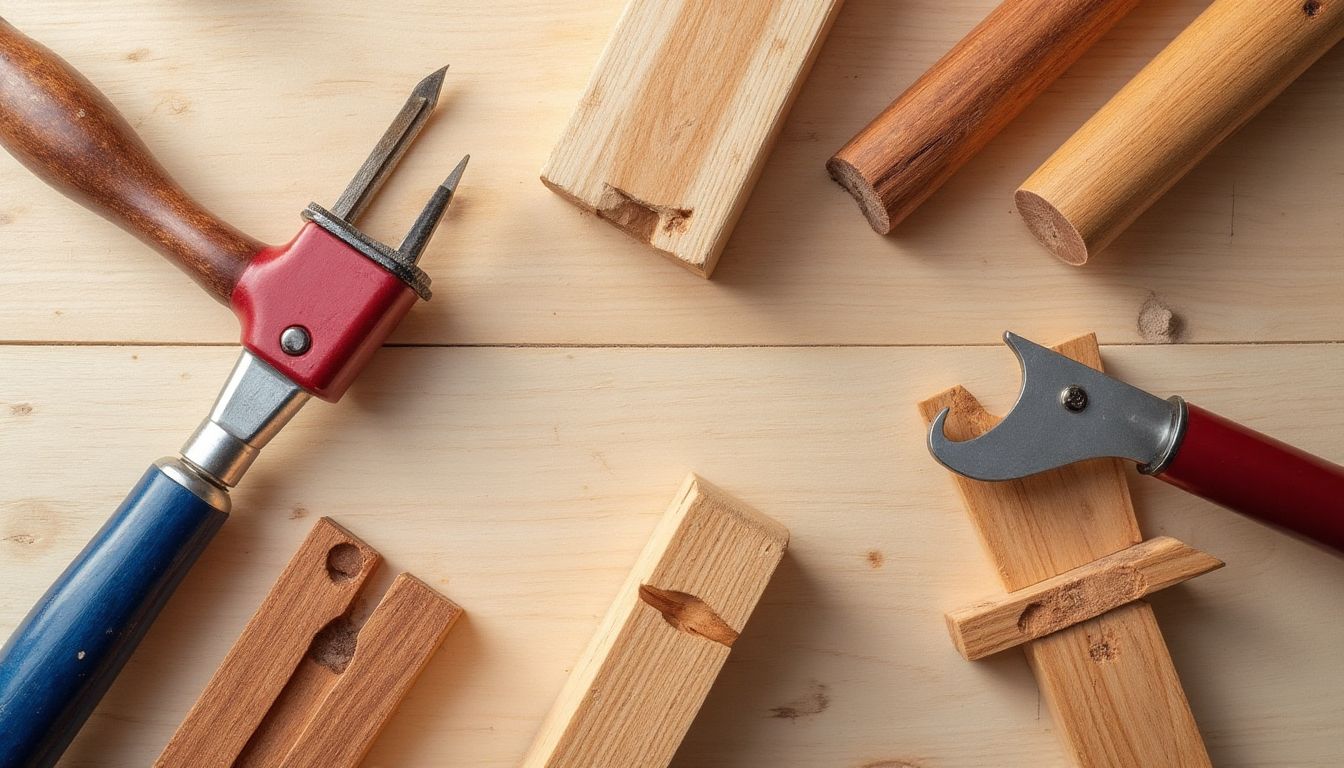
Now we're getting into the big leagues. These joints separate weekend hobbyists from serious craftsmen. They require patience, precision, and proper technique - but master these and you'll be building heirloom-quality furniture that lasts generations.
4.1 Mortise and Tenon Joints
The mortise and tenon is the workhorse of woodworking joints, used for thousands of years in everything from barn frames to Chippendale chairs. It's essentially a peg (tenon) fitting into a hole (mortise). Simple concept, endless variations.
Why it's awesome:
- Extremely strong when properly fitted
- Works for both structural and decorative applications
- Can be reinforced with wedges or pegs for added strength
Tools you'll need:
- Mortising chisel or mortising machine
- Tenon saw or table saw
- Marking gauge
- Mallet
Pro tip: Always cut the mortise first, then fit the tenon to it. Much easier than the other way around. For beginners, this mortising jig from Amazon can help achieve precise results.
4.2 Dovetail Joints
The dovetail is the holy grail of woodworking joints - instantly recognizable and admired for both its strength and beauty. The interlocking "tails" and "pins" create a joint that's incredibly resistant to being pulled apart.
Types of dovetails:
| Type | Best For | Difficulty |
|---|---|---|
| Through dovetail | Drawer boxes | Intermediate |
| Half-blind dovetail | Drawer fronts | Advanced |
| Sliding dovetail | Shelving | Intermediate |
| Secret mitered dovetail | High-end casework | Expert |
Fun fact: The dovetail joint was used in ancient Egyptian furniture and Chinese wooden architecture dating back to 1600 BCE. Some joints from China's Ming Dynasty are still holding strong today!
4.3 Box Joints
Box joints (sometimes called finger joints) are the practical cousin of dovetails - easier to make but still providing excellent strength. The interlocking fingers create significant glue surface area, making for very sturdy corners.
When to use box joints:
- Drawer construction
- Small boxes and chests
- Cabinet carcasses
- Jigs and shop fixtures
Modern twist: Many woodworkers now use router jigs or CNC machines to create perfect box joints quickly. But there's still something satisfying about cutting them by hand with a good old-fashioned dado stack on your table saw.
5. Tips and Tricks for Mastering Joinery
Now that we've covered all the major joint types, let's talk about how to actually get good at making them. Because let's be honest - your first attempts might look like a beaver chewed through your workpiece.
5.1 Choosing the Right Joint for Your Project
Picking the right joint is like choosing the right tool - it makes all the difference. Consider these factors:
- Strength needed: Will this joint bear weight or just hold things in place?
- Visibility: Will the joint be seen? If so, you might want something decorative.
- Time investment: Got all day for dovetails, or need something quick like pocket holes?
- Wood movement: Solid wood expands and contracts - some joints handle this better than others.
Quick reference guide:
| Project Type | Recommended Joints |
|---|---|
| Picture frames | Miter, splined miter |
| Bookshelves | Dado, rabbet, pocket hole |
| Drawers | Dovetail, box joint |
| Tables | Mortise and tenon, bridle joint |
5.2 Common Mistakes to Avoid
We've all been there. Here's how to dodge the most frequent joinery pitfalls:
- Rushing the layout: Measure twice (or thrice), cut once. A marking gauge is your best friend.
- Improper clamping: Too much pressure can distort joints. Use cauls to distribute pressure evenly.
- Ignoring grain direction: Chiseling against the grain leads to tear-out disasters.
- Skipping dry fitting: Always assemble without glue first to check fit.
- Over-relying on glue: Good joinery needs mechanical strength too.
Pro tip: Keep some wax or paraffin handy to lubricate tight-fitting joints during assembly. Your future self will thank you when that tenon slides in smoothly.
5.3 Practice Makes Perfect
Joinery is a skill that improves with practice. Here's a progression plan:
- Start with scrap wood - no pressure when it's just practice
- Make test joints in different wood species to learn how they behave
- Build simple projects like these beginner-friendly plans from Ted's Woodworking
- Challenge yourself with one new joint type per project
- Keep your early attempts to track progress (the cringe will turn to pride)
Remember: Even master woodworkers started somewhere. The difference between a novice and expert is about 10,000 hours of practice and a whole lot of sawdust.
Here's the HTML for Point 6 (AI Solutions) and the Conclusion, following your detailed instructions:
6. AI Solutions: How Could AI Help?
6.1 AI-Powered Design Assistance
Imagine having a virtual woodworking mentor that never sleeps. AI-powered tools like Autodesk Fusion 360 and SketchUp with AI plugins can analyze your project requirements and generate custom joinery designs in seconds. These systems learn from thousands of successful projects, suggesting optimal joint types based on your wood species, project dimensions, and intended use. The MIT Media Lab recently demonstrated an AI that can predict structural weaknesses in joints before you make the first cut.
6.2 Precision Cutting with AI
The marriage of AI and CNC technology is revolutionizing precision woodworking. Companies like ShopBot now offer AI-enhanced routers that automatically adjust cutting parameters based on wood density and grain patterns. These systems use computer vision to detect imperfections in the wood, adjusting the tool path in real-time. A recent Nature study showed AI-guided CNC machines achieving joint tolerances within 0.001 inches - impossible for even master craftsmen.
6.3 Virtual Reality Training
Why waste precious materials on practice runs? Oculus VR systems now offer woodworking simulations where you can practice dovetails all day without wasting a single board. The Georgia Tech Research Institute developed a VR training system that provides haptic feedback, letting users feel the resistance of different woods. Their studies show VR trainees achieve proficiency 40% faster than traditional methods.
6.4 AI for Material Optimization
AI doesn't just help with cutting - it can revolutionize your entire material workflow. Woodworking Network reports that AI systems can now analyze board footage, grain patterns, and moisture content to suggest optimal cutting patterns that minimize waste. The US Forest Service is piloting AI that can predict wood movement years in advance, helping woodworkers select the most stable boards for critical joints.
Action Schedule/Roadmap
| Timeframe | Action | Technology |
|---|---|---|
| Day 1 | Set up AI-assisted design workstation with Fusion 360 and machine learning plugins | Autodesk AI, NVIDIA GPUs |
| Week 1 | Train AI model on your specific woodworking style using past project data | TensorFlow, Custom ML models |
| Month 1 | Implement computer vision system for real-time joint quality inspection | OpenCV, Raspberry Pi cameras |
| Quarter 1 | Develop digital twin of your workshop for VR training simulations | Unity 3D, Oculus SDK |
| Year 1 | Deploy full AI material optimization system with predictive wood movement analysis | IBM Watson, USDA wood database |
| Year 2 | Create open-source AI woodworking assistant for community use | GitHub, OpenAI API |
Mastering the Craft in the Age of Intelligent Tools
The sawdust-filled workshops of tomorrow will hum with a new kind of intelligence. As we've explored, AI isn't here to replace the woodworker's touch, but to amplify it - like a digital apprentice that never tires. From design to cutting to material selection, these technologies offer unprecedented precision while preserving the soul of craftsmanship.
The most exciting development might be how these tools lower barriers to entry. A beginner with AI guidance can achieve results that once required years of apprenticeship. Yet paradoxically, this makes true mastery more valuable than ever. When machines handle the technical perfection, the human touch becomes the premium feature - the slight imperfections that reveal the maker's hand.
As you stand at this crossroads between tradition and innovation, ask yourself: How will you harness these tools to express your unique creative vision? Will you use AI to perfectly replicate traditional joinery, or invent new forms impossible by hand? The woodworking renaissance is just beginning, and the most beautiful projects will likely come from those who best balance silicon precision with human passion.
What joint will you reinvent first with these new tools? Share your boldest ideas in the comments below. And if you want to stay at the forefront of this craft revolution, join our newsletter to become a permanent resident of the "Shining City on the Web."
FAQ
Q1: What is the easiest joint for beginners to learn?
A: Butt joints are the simplest and most beginner-friendly. They involve joining two pieces of wood by simply butting them together and securing them with glue, screws, or nails. While not the strongest joint, they are perfect for starting your woodworking journey. For more beginner-friendly tips, check out our guide on essential woodworking tools.
Q2: What tools do I need to start with woodworking joinery?
A: To get started, you’ll need a few basic tools, including:
- A saw (hand saw or power saw)
- Chisels
- Measuring tape or a square
- Clamps
These tools will help you create precise and strong joints. For tool recommendations, visit our Amazon Associate page for tools.
Q3: How can I improve the strength of my joints?
A: There are several ways to reinforce your joints, such as:
- Using wood glue for added adhesion
- Adding screws or nails for extra support
- Incorporating dowels or biscuits for alignment and strength
For detailed techniques, explore Ted’s Woodworking Plans for step-by-step instructions.
Q4: Where can I find detailed woodworking plans?
A: For comprehensive and beginner-friendly woodworking plans, look no further than Ted’s Woodworking Plans. They offer a wide range of projects, from simple shelves to complex furniture pieces, perfect for honing your joinery skills.
Q5: Can AI really help with woodworking?
A: Absolutely! AI is revolutionizing woodworking by assisting in design, precision cutting, and material optimization. Tools like Autodesk Fusion 360 and SketchUp with AI plugins can generate custom joinery designs, while AI-driven CNC machines ensure perfect cuts. For more insights, read our article on the role of AI in modern woodworking.
Q6: What’s the best wood for beginners to use?
A: Beginners should start with softwoods like pine or cedar. They are easier to cut, sand, and finish compared to hardwoods like oak or walnut. For more tips on selecting the right wood, check out our guide on choosing the right wood.
Q7: How do I avoid common joinery mistakes?
A: Here are a few tips to avoid common pitfalls:
- Always measure twice and cut once to prevent errors.
- Use clamps to hold pieces in place while the glue dries.
- Practice on scrap wood before working on your final project.
For more beginner-friendly advice, explore our article on woodworking safety tips.
Q8: What’s the difference between a dado joint and a rabbet joint?
A: A dado joint involves cutting a groove across the grain of the wood, while a rabbet joint is a notch cut along the edge or end of a board. Dado joints are commonly used in shelving, while rabbet joints are ideal for drawers and cabinet backs. For a detailed comparison, check out our guide on woodworking joints.
Q9: How long does it take to master woodworking joinery?
A: Mastering woodworking joinery takes time and practice. Beginners can learn basic joints like butt and miter joints in a few weeks, while advanced techniques like dovetails may take months or even years to perfect. Remember, practice makes perfect! For inspiration, explore our list of beginner woodworking projects.
Q10: Can I use power tools for joinery?
A: Yes, power tools like routers, table saws, and jigsaws can make joinery faster and more precise. However, beginners should start with hand tools to develop foundational skills. For a list of recommended power tools, visit our Amazon Associate page for tools.
Wait! There's more...check out our gripping short story that continues the journey: A Joint of Permanence

Disclaimer: This article may contain affiliate links. If you click on these links and make a purchase, we may receive a commission at no additional cost to you. Our recommendations and reviews are always independent and objective, aiming to provide you with the best information and resources.
Get Exclusive Stories, Photos, Art & Offers - Subscribe Today!
Related posts:
 Affordable DIY Guide: Get Festool Domino-Style Joinery for Pennies on a Budget
 The Impossible Dovetail Box: A Woodworking Marvel You’ll Want to Build
 What is the most common tool used in woodworking?
 Unlocking the Power of ElevenLabs Conversational AI: A Beginner’s Guide to AI Agents
 What is considered woodworking?





Post Comment
You must be logged in to post a comment.