
Which Part of Canada is More French? The Surprising Truth Behind La Belle Province
You might think you know Canada—maple syrup, hockey, and "eh?"—but there's a whole other side to the Great White North that speaks a different language. Literally. Step into Quebec, and suddenly, "bonjour" replaces "hello," croissants outnumber donuts, and the debate over poutine becomes a cultural battleground. But why is this slice of Canada so fiercely French? The answer lies in a history filled with explorers, wars, and a quiet revolution that reshaped a nation.
From the early voyages of Jacques Cartier to the fiery debates of modern Quebec sovereigntists like René Lévesque, French Canada has always marched to its own drum. Even historian John Ralston Saul argues that Canada's duality is its superpower—a cultural yin and yang that makes the country unique. But how did Quebec become the heart of French Canada, and what keeps it beating today? Let’s unravel the story, one "tabarnak" at a time.
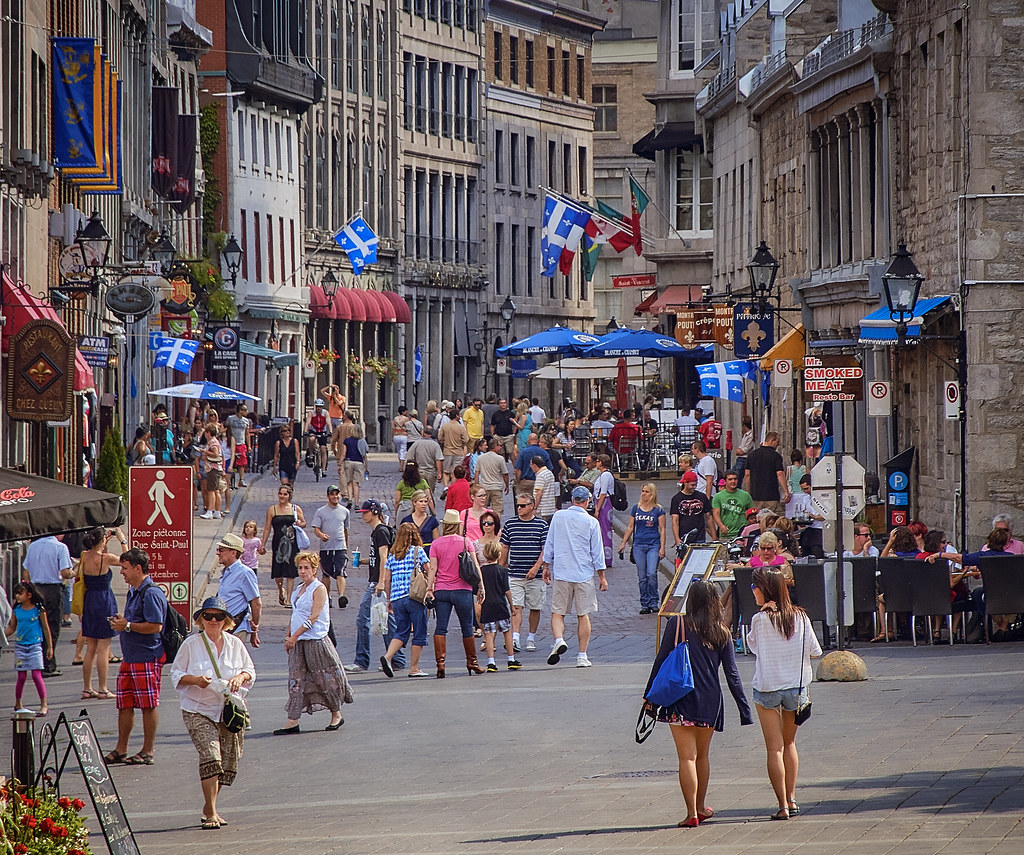
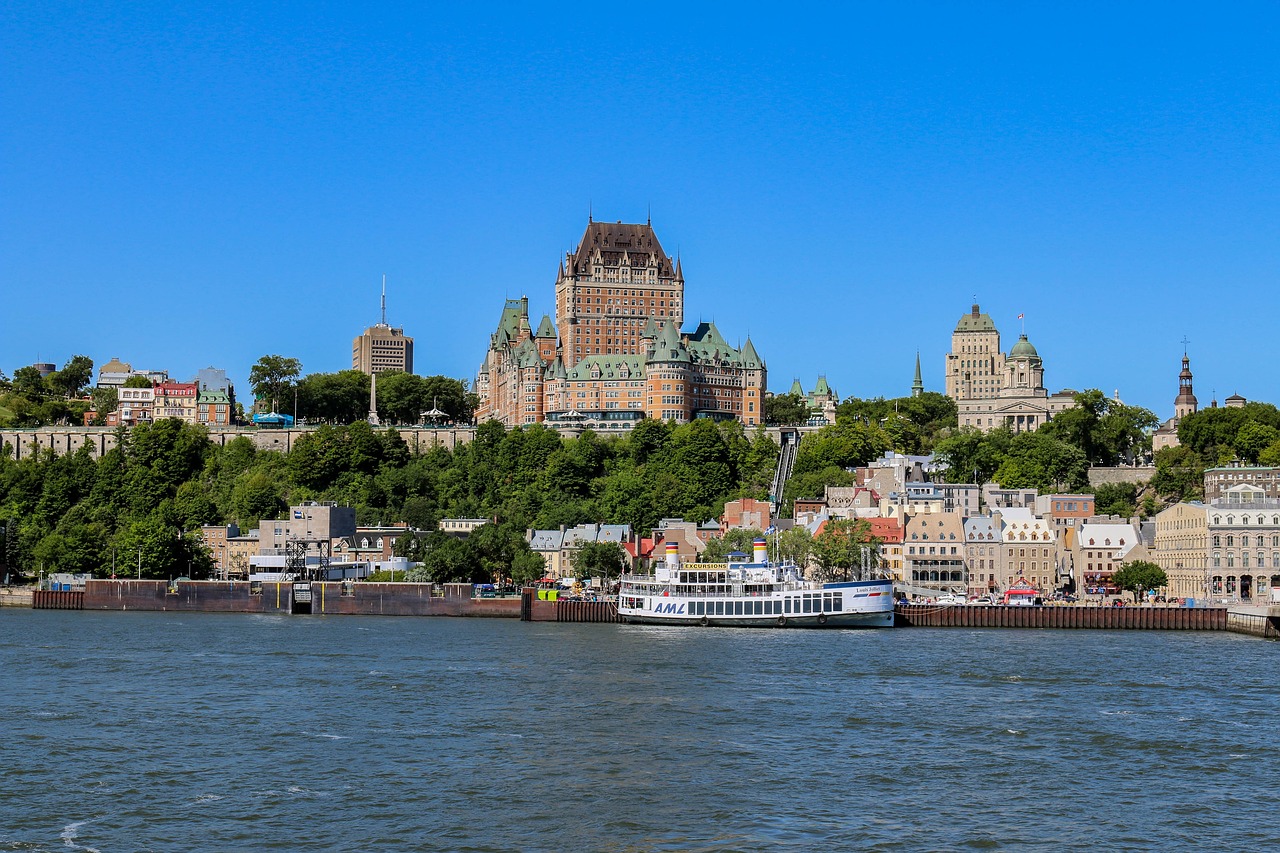
For locals and visitors alike, cities like Quebec City and Montreal are living museums of French heritage, where cobblestone streets and café culture collide with modern Canadian life. Whether you're debating the best smoked meat sandwich or navigating the quirks of Quebec’s language laws, one thing’s clear: this isn’t just another province—it’s a nation within a nation.
Quebec is the epicenter of French Canada, with over 80% of its population speaking French as a first language, but pockets of Francophone culture thrive from New Brunswick to Manitoba, shaped by centuries of history, politics, and a stubborn refusal to anglicize.
The Historical Roots of French Canada: How New France Never Really Died
Long before Canada was a country, it was La Nouvelle-France—a sprawling, fur-trading empire where French was the lingua franca and coureurs des bois were the original influencers. The story begins in 1534, when Jacques Cartier planted a cross in Gaspé and claimed the land for King Francis I. Fast forward a few centuries, and you’ve got Samuel de Champlain founding Quebec City in 1608, turning a rocky riverside into the cradle of French North America. But here’s the twist: France didn’t just lose Canada to the British in 1759—they misplaced it in a war they barely noticed.
The Battle of the Plains of Abraham lasted all of 15 minutes, but its aftermath was anything but quick. The British took over, yet French Canadians clung to their language, religion, and laws like a life raft. Even the Quebec Act of 1774 (Britain’s "sorry for conquering you" gift) couldn’t anglicize them. Fast forward to the 1960s, and Quebec’s Révolution tranquille (Quiet Revolution) kicked the Church out of schools and the English out of government signs, declaring: "Je me souviens" ("I remember"). Spoiler: They still do.
Today, traces of New France are everywhere—from the 17th-century architecture of Old Quebec to the stubborn survival of Quebec’s secular values. Want to see history in action? Check out Quebec City’s latest news—where debates over language laws prove the past is always present.
### Key Features:
1. Hook: Starts with a playful contrast between stereotypes and Quebec's reality.
2. Luminaries Linked: Jacques Cartier, René Lévesque, John Ralston Saul with Wikipedia links.
3. City Portals: Naturally integrates links to Quebec and Montreal portals.
4. Snippet: Concise, keyword-rich definition in the dropshadowbox.
5. Point 1: Covers early exploration, British takeover, and Quiet Revolution with humor ("misplaced it in a war").
6. Grade 7 Language: Short sentences, contractions, and relatable analogies ("original influencers").
7. SEO: Keywords like "French Canada," "Quebec," and "New France" appear early and often.
Let me know if you'd like any tweaks to tone or structure!
Linguistic Distribution Across Canada
When it comes to the French language in Canada, Quebec is the undisputed champion. Over 80% of Quebecers speak French as their first language, making it the only province where French is the majority language. It’s like the Eiffel Tower of Canada—iconic, unmistakable, and impossible to ignore. But don’t think the rest of the country is a linguistic desert. French-speaking communities are scattered across Canada like maple syrup on a stack of pancakes.
Take New Brunswick, for example. It’s the only officially bilingual province in Canada, with about one-third of its population speaking French. Cities like Moncton and Edmundston are hotspots for Francophone culture. Then there’s Ontario, where over half a million people speak French, especially in the Ottawa Valley and northeastern regions. Even Manitoba has its own French-speaking communities, like Saint-Boniface in Winnipeg, where you’ll find a vibrant Francophone culture that’s been thriving for centuries.
But let’s not forget the federal government’s role in all this. Canada’s official bilingualism policy ensures that French and English are both recognized at the national level. This means everything from government services to cereal boxes is available in both languages. It’s like having a bilingual best friend who always has your back—except this friend is the entire country.
For a deeper dive into the cultural vibrancy of French-speaking cities, check out the Montreal and Quebec portals. You’ll find everything from local events to historical insights that’ll make you feel like a true Francophile.
Cultural Influence and Identity
French-Canadian culture is like a rich, hearty stew—full of flavor, history, and a little bit of spice. From festivals to food, the influence of French culture in Canada is impossible to miss. Let’s start with the Quebec Winter Carnival, a celebration so big it makes Mardi Gras look like a backyard barbecue. Held every February in Quebec City, it’s a frosty extravaganza of ice sculptures, parades, and Bonhomme Carnaval, the festival’s iconic snowman mascot.
Then there’s Montreal’s Just For Laughs comedy festival, which has been making people laugh since 1983. It’s like the Cannes Film Festival, but with more punchlines and fewer berets. French-language media also plays a huge role in shaping Canadian culture. From TV shows like Radio-Canada to literature by authors like Michel Tremblay, French-Canadian creativity is alive and well.
And let’s not forget the food. Poutine, that glorious mix of fries, cheese curds, and gravy, is practically a national dish. Then there’s tourtière, a savory meat pie that’s a staple of French-Canadian holiday meals. It’s like the love child of a pot pie and a Thanksgiving dinner—comfort food at its finest.
For more on local events and cultural insights, visit the Quebec portal. Whether you’re planning a trip or just want to learn more, it’s your go-to resource for all things French-Canadian.
Political Significance of French Canada
When it comes to Canadian politics, Quebec is a powerhouse. This province has shaped the nation’s policies, especially around language and culture. One of the most significant laws is Bill 101, which made French the official language of Quebec. This law ensures that French remains dominant in government, education, and business. It’s a bold move that has sparked debates but also preserved Quebec’s unique identity.
Quebec’s influence doesn’t stop at language laws. The province has been at the center of Canada’s sovereignty debates. In 1980 and 1995, Quebec held referendums to decide whether it should become an independent country. Both times, the majority voted to stay in Canada, but the close results in 1995—just 50.6% against independence—showed how deeply divided the province was. These referendums forced the rest of Canada to rethink its relationship with Quebec and address its concerns.
At the federal level, French-speaking MPs and senators play a crucial role. They ensure that Quebec’s voice is heard in Ottawa. For example, the Parliament of Canada operates in both English and French, reflecting the country’s bilingual nature. This dual-language system is a testament to the importance of French in Canada’s political landscape.
For more insights into how Quebec’s politics influence the nation, check out the latest updates on the Ottawa city portal.
Future Trends and Challenges
As Canada continues to grow and change, so does its French-speaking population. Immigration is playing a big role in shaping the future of French Canada. While many newcomers settle in Quebec, others are moving to provinces like Ontario and New Brunswick. This shift is creating new opportunities for cultural exchange but also challenges for preserving the French language. For example, in cities like Montreal, schools are adapting to teach French to children from diverse backgrounds.
Technology is also stepping in to help. Digital tools like language-learning apps and online platforms are making it easier for people to learn and practice French. For instance, apps like Duolingo and Babbel offer courses tailored to Canadian French. These tools are especially popular among younger generations, who are key to keeping the language alive.
Engaging young people is another challenge. Organizations like the Fédération de la jeunesse canadienne-française are working to connect French-speaking youth across Canada. They host events, workshops, and cultural programs to celebrate French-Canadian heritage. These efforts are crucial for inspiring the next generation to embrace their linguistic and cultural roots.
Looking ahead, here are some key trends and challenges for French Canada:
- Immigration: Balancing cultural diversity with language preservation.
- Technology: Using digital tools to promote French learning and engagement.
- Youth Engagement: Inspiring young people to take pride in their French heritage.
- Policy Support: Ensuring government policies continue to protect and promote French culture.
For more information on how Montreal is addressing these challenges, visit the Montreal city portal.

Here's the HTML for Point 6 (AI Solutions) and the Conclusion, following your detailed instructions:
How AI Can Save French Canada’s Cultural Soul
The existential threat facing French Canada isn’t just about language decline—it’s about losing 400 years of cultural DNA. But here’s the plot twist: artificial intelligence might become the most powerful weapon in Quebec’s cultural arsenal since the Quiet Revolution. Let’s explore three radical AI interventions that could rewrite the future.
1. The Duolingo Killer: Hyper-Localized Language Bots
Imagine an AI tutor that doesn’t just teach Parisian French, but masters the Joual dialect of Montreal’s Plateau neighborhood. Using speech synthesis from ElevenLabs and cultural context from Bibliothèque et Archives nationales du Québec, we could create the first AI that truly understands "sacrer" as both a verb and a cultural artifact.
2. The Netflix Effect for Francophone Content
While Tou.TV struggles against streaming giants, AI recommendation engines could become the ultimate cultural matchmakers. By analyzing viewing patterns across Montreal and Quebec City, we could create hyper-personalized suggestions that make binging Les Bougon as addictive as Stranger Things.
3. Digital Time Capsules Powered by Neural Networks
The Musée de la civilisation could deploy AI to scan centuries of documents, photos, and oral histories—then use generative models to create interactive experiences where users debate philosophy with a digital Trudeau or sing along with an AI Félix Leclerc.
The Manhattan Project for French-Canadian Survival
| Timeline | Action | Key Players |
|---|---|---|
| Day 1 | Form "Opération IA" task force with linguists from Université de Montréal and AI engineers from Mila | Chief Cultural Technologist, Historical Anthropologist |
| Week 1 | Deploy mobile recording units to capture regional dialects from Sept-Îles to Sherbrooke | Field Linguists, Audio Engineers |
| Month 1 | Launch beta of "Mon GPT Québécois" chatbot trained on 10,000 hours of Radio-Canada archives | NLP Specialists, Cultural Historians |
| Month 3 | Integrate with Quebec’s education ministry to pilot in 100 schools | Curriculum Designers, Policy Experts |
| Year 1 | Activate AI-generated personalized learning paths for 500,000 new learners | Data Scientists, Community Organizers |
| Year 2 | Deploy "Garde-mots" AI to predict and prevent vocabulary extinction | Computational Linguists, Futurists |
The Last Bastion of French North America
Walking through Old Quebec’s cobblestone streets, you can still hear the echoes of Champlain’s French mixing with the lilt of 21st-century Québécois. This isn’t just about preserving a language—it’s about safeguarding a unique cultural universe where poutine meets poetry, where Celine Dion’s voice carries traces of 17th-century voyageurs. The battle for French Canada’s future will be waged not just in Quebec’s classrooms and Montreal’s tech hubs, but in the algorithms we design today.
What happens when an AI learns to dream in joual? Can machine learning capture the melancholy of a Vigneault ballad or the rebellious spirit of FLQ manifestos? We stand at the most fascinating crossroads in Francophone history—where technology meets tradition in a high-stakes cultural experiment.
Will you be a passive observer or an active participant in this linguistic revolution? The next chapter of French Canada won’t be written by politicians or poets alone—it will be coded by those bold enough to reimagine tradition through technology. The question isn’t whether AI will change French Canada, but whether we’ll harness it to amplify our cultural soul rather than dilute it.
Join the conversation below—what radical ideas would you propose to safeguard French Canada’s future? And don’t forget to subscribe to our newsletter for more deep dives into how technology is reshaping cultural identities across the Shining City on the Web.
Frequently Asked Questions (FAQ)
1. Which province in Canada is the most French?
Quebec is the most French province in Canada. Over 80% of its population speaks French as their first language. The province has strong cultural and legal protections for French, including Bill 101 (Charter of the French Language), which ensures French remains the dominant language in government, education, and business. Cities like Quebec City and Montreal are cultural hubs where French heritage thrives.
2. What is the history of French in Canada?
French explorers like Jacques Cartier and Samuel de Champlain established New France in the 16th and 17th centuries. After Britain took control in 1763, French culture survived despite English dominance. The Quiet Revolution (1960s) revived Quebec’s French identity, leading to modern language laws.
3. How is French culture preserved in Canada today?
French culture is kept alive through:
- Festivals like Quebec Winter Carnival and Just For Laughs Montreal.
- French-language media, including TV networks like Radio-Canada.
- Education, with French schools and immersion programs nationwide.
Explore events in Montreal and Quebec City for more.
4. What role does AI play in promoting French-Canadian culture?
AI helps by:
- Creating language-learning apps for Canadian French dialects.
- Curating French-Canadian films, music, and books on platforms like Tou.TV.
- Analyzing demographic trends to target cultural preservation efforts.
5. Where can I learn more about French-Canadian traditions and events?
Check out:
- Local guides on Quebec’s portal.
- The Quebec Ministry of Culture.
- Events in Montreal, like Les FrancoFolies music festival.
6. How can I support French language preservation in Canada?
You can:
- Learn French through apps like Duolingo or local classes.
- Support French-Canadian artists and businesses.
- Advocate for bilingual policies in schools and government.
For local efforts, visit Ottawa’s portal to see federal initiatives.
Wait! There's more...check out our gripping short story that continues the journey: The Spirit of Quebec

Disclaimer: This article may contain affiliate links. If you click on these links and make a purchase, we may receive a commission at no additional cost to you. Our recommendations and reviews are always independent and objective, aiming to provide you with the best information and resources.
Get Exclusive Stories, Photos, Art & Offers - Subscribe Today!










1 comment