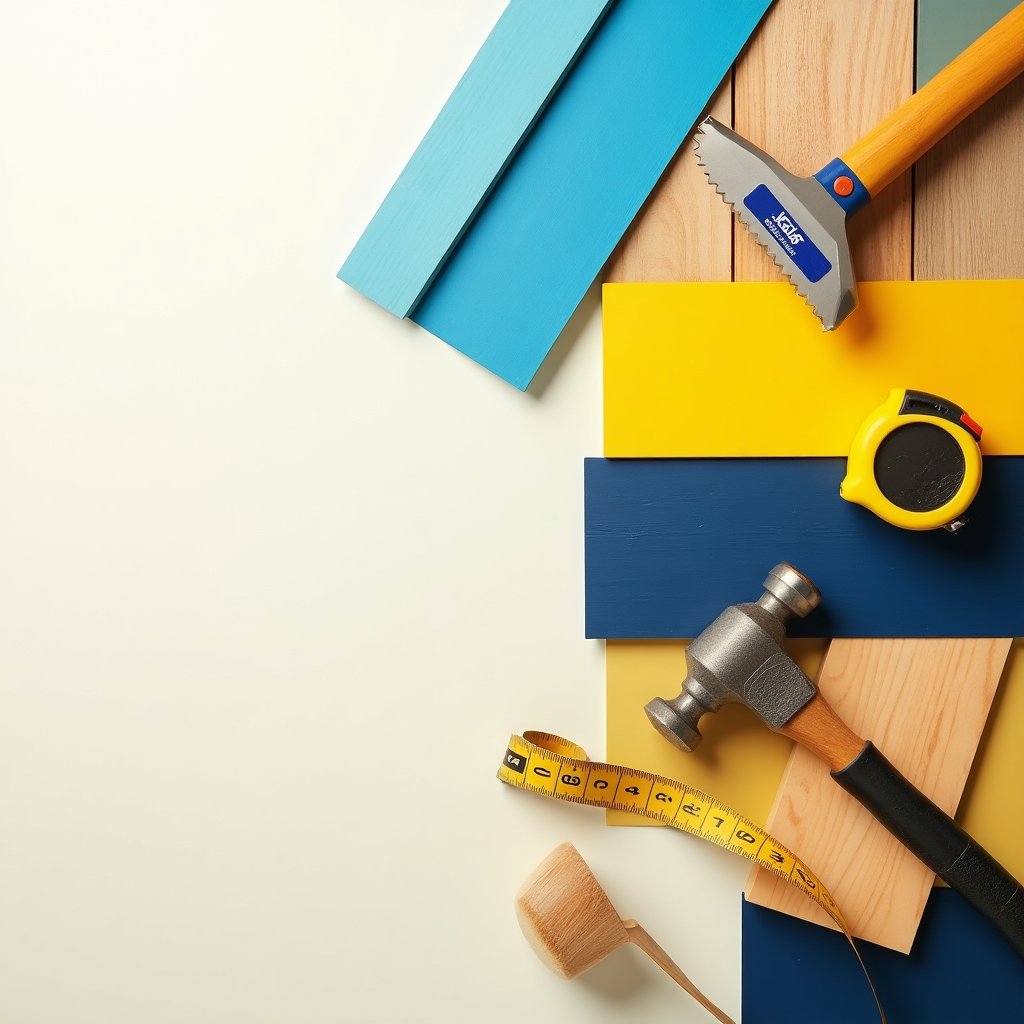
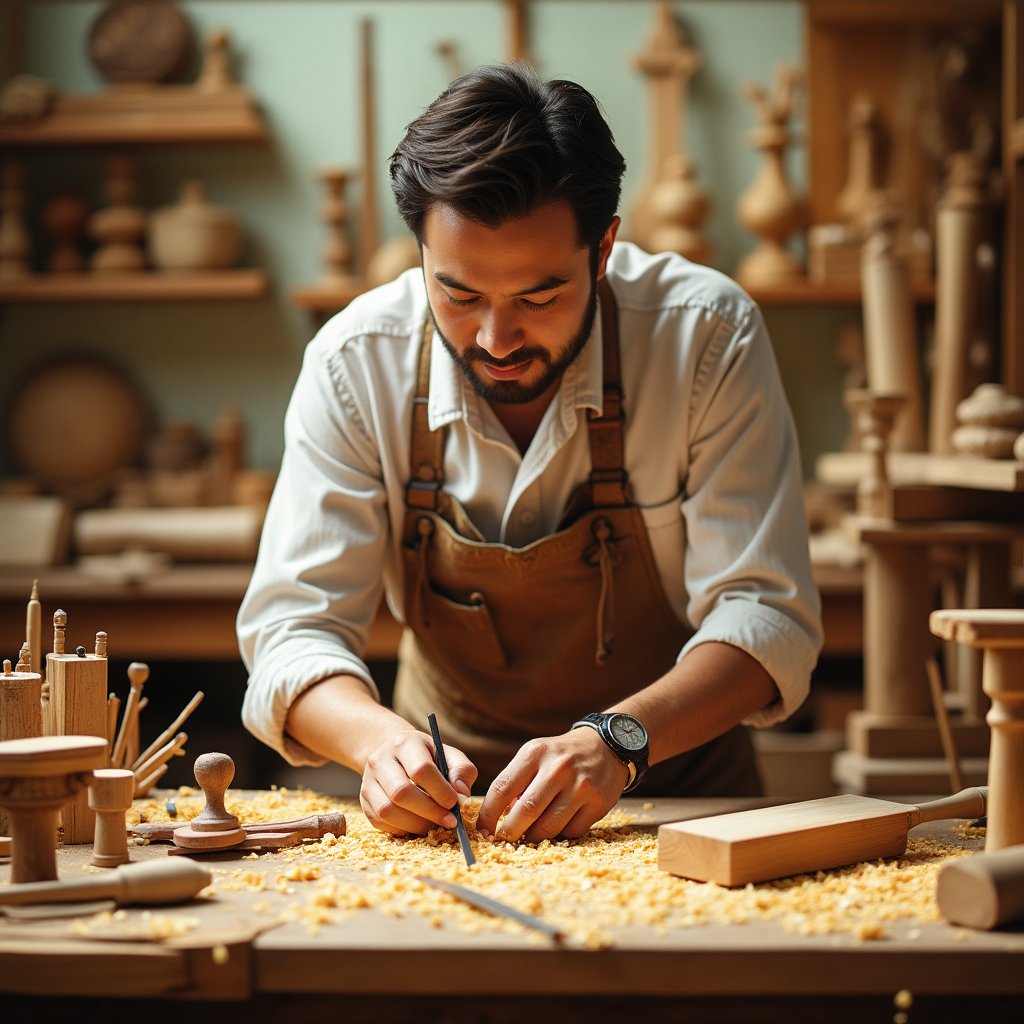
When you think of carpentry, do you picture a gruff guy with a hammer and nails, or a thoughtful artist shaping a piece of wood into a masterpiece? The truth is, carpentry is both a hard and soft skill. It’s a unique blend of technical precision and creative intuition. Hard skills in carpentry involve measurable, teachable abilities like reading blueprints, using power tools, and calculating precise measurements. Soft skills, on the other hand, include creativity, problem-solving, and the ability to visualize the end product. In this article, we’ll dive deep into the skill sets involved in woodworking and carpentry, helping you understand whether it’s more technical or creative—and why you need both to excel.
The Technical Side of Carpentry: Hard Skills That Matter
Carpentry is undeniably technical. If you’ve ever tried to build a bookshelf only to have it lean like the Tower of Pisa, you know what I mean. Hard skills are the backbone of carpentry. Here’s a breakdown of the essential technical skills every carpenter needs:
- Blueprint Reading: Understanding plans is crucial. Whether it’s a simple sketch or a detailed architectural drawing, reading blueprints is like decoding a secret language. Miss a detail, and your project could go sideways—literally.
- Measuring and Cutting: Precision is key. A fraction of an inch can make or break a project. Tools like tape measures, squares, and saws become your best friends.
- Tool Mastery: From power drills to table saws, carpenters rely on an arsenal of tools. Knowing how to use them safely and effectively is non-negotiable. If you’re new to the craft, check out this essential woodworking tools list to get started.
- Structural Knowledge: Understanding how materials interact is vital. You need to know which wood types are best for specific projects and how weight and stress affect your design.
These hard skills are the foundation of carpentry. But without the soft skills, you’re just a technician, not a craftsman.
The Creative Side of Carpentry: Soft Skills That Bring Projects to Life
While hard skills get the job done, soft skills make the job worth doing. Creativity is the soul of carpentry. Here’s how soft skills come into play:
- Problem-Solving: Ever tried to fit a square peg into a round hole? Carpentry is full of unexpected challenges. A great carpenter can think on their feet and find innovative solutions.
- Attention to Detail: The difference between a good project and a great one is often in the details. Whether it’s the finish of the wood or the alignment of joints, perfection lies in the particulars.
- Vision: Before a single piece of wood is cut, a carpenter must visualize the final product. This ability to see the end result is what separates the pros from the amateurs.
- Patience: Carpentry isn’t a race. It’s a marathon. Rushing through a project can lead to mistakes, frustration, and wasted materials.
Think of carpentry as a dance between logic and creativity. The hard skills keep you in step, but the soft skills give you the rhythm and flow.
The Bigger Picture: Why Carpentry Matters
Carpentry isn’t just about building stuff; it’s about building dreams. Whether you’re crafting a dining table for family dinners or restoring a historic piece of furniture, carpentry connects you to something larger. It’s a tangible way to express yourself, solve problems, and create lasting value. In a world of mass-produced goods, carpentry reminds us of the beauty of handmade craftsmanship.
Consider this: carpentry is one of the oldest trades in the world. From the pyramids of Egypt to the cathedrals of Europe, carpenters have shaped history. Today, woodworking isn’s part of a tradition that spans centuries.
How to Develop Your Carpentry Skills
Ready to take your carpentry skills to the next level? Here are some practical tips:
- Start Small: Don’t try to build a mansion on your first day. Begin with simple projects like a picture frame or a birdhouse. As you gain confidence, tackle more complex designs.
- Learn from the Pros: Follow experienced carpenters on YouTube, read woodworking blogs, and join local workshops. The more you learn, the better you’ll become.
- Invest in Quality Tools: Good tools make good work. Check out Amazon for tools that can elevate your craft.
- Practice Patience: Rome wasn’t built in a day, and neither is a perfect piece of furniture. Take your time and enjoy the process.
If you’re serious about mastering carpentry, consider using detailed plans to guide your projects. Teds Woodworking Plans offers a comprehensive library of blueprints for all skill levels. It’s a great resource for anyone looking to hone their craft.
The Final Verdict: Hard Skills Meet Soft Skills
So, is carpentry a hard or soft skill? The answer is both. It’s a harmonious blend of technical know-how and creative flair. Without hard skills, your projects won’t hold together. Without soft skills, they won’t inspire. The best carpenters are those who can balance precision with imagination, logic with artistry.
Carpentry is more than just a trade—it’s a way of life. It teaches patience, problem-solving, and the value of hard work. Whether you’re building a bookshelf or a career, carpentry offers endless opportunities for growth and fulfillment.
Join the iNthacity Community
What’s your take on carpentry? Do you see it as more technical or creative? Share your thoughts in the comments below! If you’re passionate about woodworking, join the Shining City on the Web and become part of the iNthacity community. Like, share, and participate in the debate. Let’s build something amazing together!
Wait! There's more...check out our gripping short story that continues the journey: The Carpentry of the Cosmos

Disclaimer: This article may contain affiliate links. If you click on these links and make a purchase, we may receive a commission at no additional cost to you. Our recommendations and reviews are always independent and objective, aiming to provide you with the best information and resources.
Get Exclusive Stories, Photos, Art & Offers - Subscribe Today!






Post Comment
You must be logged in to post a comment.