
Here's the cleaned HTML code:
The Control Trap: Why We Keep Banging Our Heads Against Walls
Every family has that one uncle who ruins Thanksgiving. Every office has that coworker who derails meetings. We exhaust ourselves trying to change them because we've bought into the dangerous myth that our happiness depends on others' behavior. Clinical psychologist Dr. Steven Hayes' research shows this "control agenda" actually increases suffering.
Consider this radical thought experiment: What if the alcoholic cousin, the rude neighbor, and the politically obnoxious Facebook friend are all perfectly positioned in your life to teach you this exact lesson? The "Let Them" approach isn't passive—it's strategic surrender that gives you back your power.
The Neuroscience of Letting Go
When we encounter behaviors that offend us, our amygdala triggers a threat response identical to physical danger. This explains why you feel physically drained after arguments about things that "shouldn't" matter. The "Let Them" method works because it:
- Rewires neural pathways through deliberate acceptance
- Reduces cortisol spikes by removing judgment
- Activates the prefrontal cortex for better decision-making
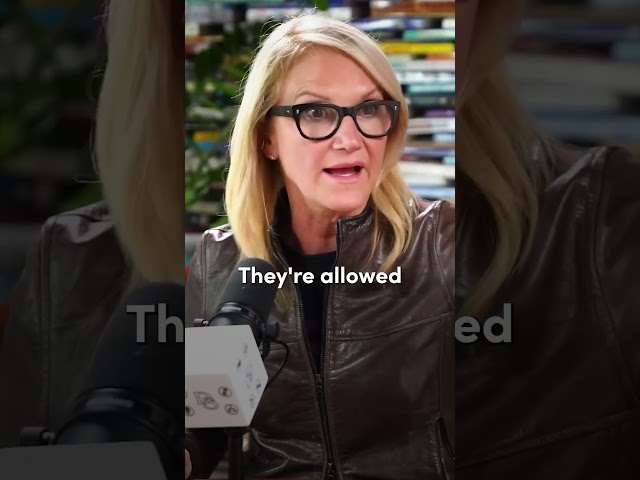
Watch how Mel Robbins explains the transformation:
The "Let Them" Playbook: Practical Liberation
This isn't theoretical—here's exactly how to apply this today in your most frustrating relationships:
| Situation | Old Response | "Let Them" Response |
|---|---|---|
| Parent criticizing your life choices | Defensive arguments lasting hours | "I hear you feel that way" (then change subject) |
| Friend always canceling plans | Resentment and guilt-tripping | Make flexible plans you'll enjoy regardless |
| Partner leaving messes | Nagging creating tension | Designate one "their" space to remain messy |
The Counterintuitive Bonus
When you stop trying to change people, an odd thing happens—some actually change. By removing resistance, you eliminate the power struggle dynamic. As clinical studies show, people are most likely to grow when they feel accepted, not judged.
Your Personal Freedom Toolkit
Implement these immediately:
- The 5-Second Rule: When triggered, pause for five breaths before reacting
- The Boundary Menu: Decide in advance what behaviors you'll exit from
- The Values Compass: Ask "Does responding serve what I value most?"
For deeper work, combine this with mindfulness practices that build emotional resilience.
The Cultural Revolution of "Let Them"
In our hyper-connected world where everyone's opinions blast constantly through social media, this philosophy becomes radical self-preservation. What if we applied "Let Them" to:
- Political disagreements (without unfriending)
- Generational differences in the workplace
- Parenting teens testing boundaries
The data from CAMH shows these small shifts could reduce societal stress levels dramatically.
When "Let Them" Doesn't Apply
Important exceptions:
- Abusive situations (physical/emotional)
- Dangerous behaviors affecting children
- Workplace harassment
For these, local support services can provide proper intervention strategies.
The Ultimate Question
What relationship in your life needs the "Let Them" treatment today? How might your energy shift if you stopped trying to control what you can't? Share your breakthrough moments below—your story might spark someone else's liberation.
Ready for more life-changing perspectives? Join our community at iNthacity: the "Shining City on the Web" where we explore ideas that transform frustration into freedom.
Remember: The only person you can change is the one staring back in the mirror—but oh, what glorious changes those can be!
Disclaimer: This article may contain affiliate links. If you click on these links and make a purchase, we may receive a commission at no additional cost to you. Our recommendations and reviews are always independent and objective, aiming to provide you with the best information and resources.
Get Exclusive Stories, Photos, Art & Offers - Subscribe Today!
Related posts:
 Feeling Overwhelmed About Money? This Simple Shift Will Change Everything
 Feeling Trapped? This Simple Shift Will Blast You Forward
 Why Letting People Unfollow You Is the Ultimate Power Move
 Stop Chasing the Spark in Relationships – Relationship Advice
 The Surprising Science to Stop Pain and Heal Your Body Fast (Feel Better Today)




Post Comment
You must be logged in to post a comment.