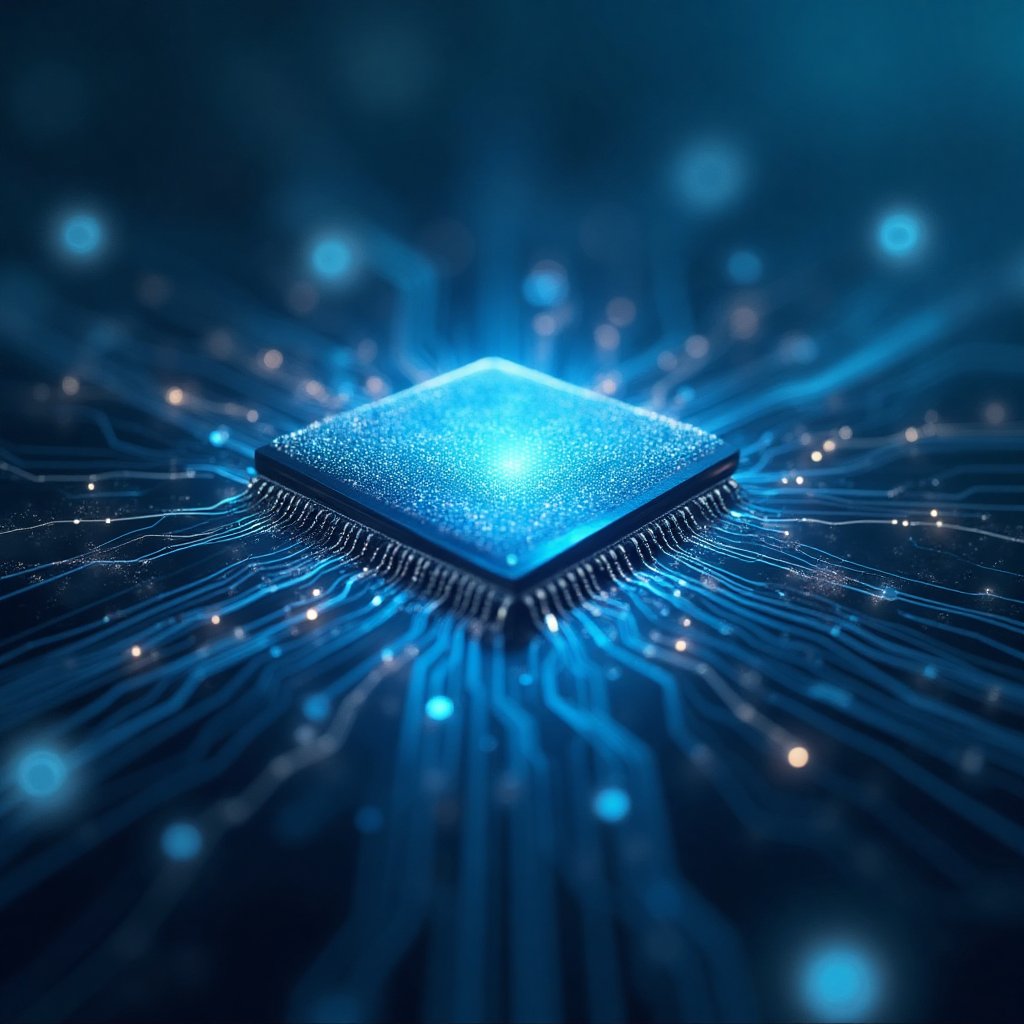
Revolutionizing Healthcare with Microchip Technology
Healthcare is about to get a massive upgrade, and it’s all thanks to microchips. According to a groundbreaking study from the NYU Tandon School of Engineering, researchers have developed microchips capable of detecting multiple diseases from a single air sample. This isn’t just science fiction—it’s the future of diagnostics, and it’s closer than you think.
How Does It Work?
These microchips use field-effect transistors, a type of technology that can detect incredibly small concentrations of viruses, bacteria, and other pathogens in the air. Imagine walking into your kitchen, coughing into a small device, and instantly knowing whether you have the flu, a cold, or something more serious. This technology could make that a reality.
The research, published in the journal Nanoscale, was supported by Mirimus, a Brooklyn-based biotech company, and LendLease, a global construction and real estate firm. Together, they’re working to bring illness-detecting wearables and home devices to the market.
Why This Matters
The world is facing unprecedented health challenges. From pandemics to chronic diseases, the need for quick, accurate, and accessible diagnostics has never been greater. These microchips could change the game by enabling rapid testing anywhere, anytime. They could also reduce the strain on healthcare systems by catching illnesses early, before they become severe.
The Potential Applications
The possibilities are endless. Here’s how this technology could transform healthcare:
- Portable Diagnostic Devices: Think of a smartwatch that not only tracks your steps but also monitors your health in real-time.
- Home Testing Kits: No more waiting in long lines at the clinic—just cough into a device and get instant results.
- Public Health Monitoring: Airports, schools, and workplaces could use these devices to detect outbreaks before they spread.
The Challenges Ahead
While the potential is huge, there are still hurdles to overcome. One major challenge is ensuring the technology is affordable and accessible for everyone. Another is navigating regulatory approvals to ensure these devices are safe and effective. But if history has taught us anything, it’s that innovation finds a way.
What This Means for You
Imagine a world where you can take control of your health like never before. Where you no longer have to wonder if that cough is just a cold or something more serious. Where you can catch diseases early and take action before they escalate. That’s the promise of these microchips.
The Bigger Picture
This isn’t just about technology—it’s about empowerment. It’s about giving people the tools they need to live healthier, more secure lives. It’s about hope, freedom, and the ability to take charge of your own well-being. And in a world that often feels uncertain, that’s a pretty big deal.
Join the Conversation
What do you think about this groundbreaking technology? Could you see yourself using a microchip-based diagnostic device at home? What concerns or questions do you have? Share your thoughts in the comments below and let’s discuss the future of healthcare together.
And if you’re passionate about innovation and want to stay ahead of the curve, consider joining the Shining City on the Web community. Become a permanent resident of iNthacity and be part of a movement that’s shaping the future. Don’t forget to like, share, and participate in the debate—your voice matters!
Explore Related Products
If you're interested in learning more about cutting-edge health technology, check out these related products on Amazon:
The future of healthcare is here, and it’s smaller, smarter, and more powerful than ever. Are you ready to embrace it?
Disclaimer: This article may contain affiliate links. If you click on these links and make a purchase, we may receive a commission at no additional cost to you. Our recommendations and reviews are always independent and objective, aiming to provide you with the best information and resources.
Get Exclusive Stories, Photos, Art & Offers - Subscribe Today!
Related posts:
 Scientists invent breakthrough device to rapidly detect airborne signs of disease
 How AGI Can Transform Aging Populations: Revolutionizing Eldercare, Healthcare, and Policy for Longevity and Quality of Life
 Google’s AI is now listening for signs of sickness—literally – Discover how your smartphone might soon diagnose your cough
 AI and the Universal Translator: How Real-Time Translation is Revolutionizing Global Communication
 AI in Smart Cities: Revolutionizing Urban Living with Real-Time Transportation and Resource Management





Post Comment
You must be logged in to post a comment.