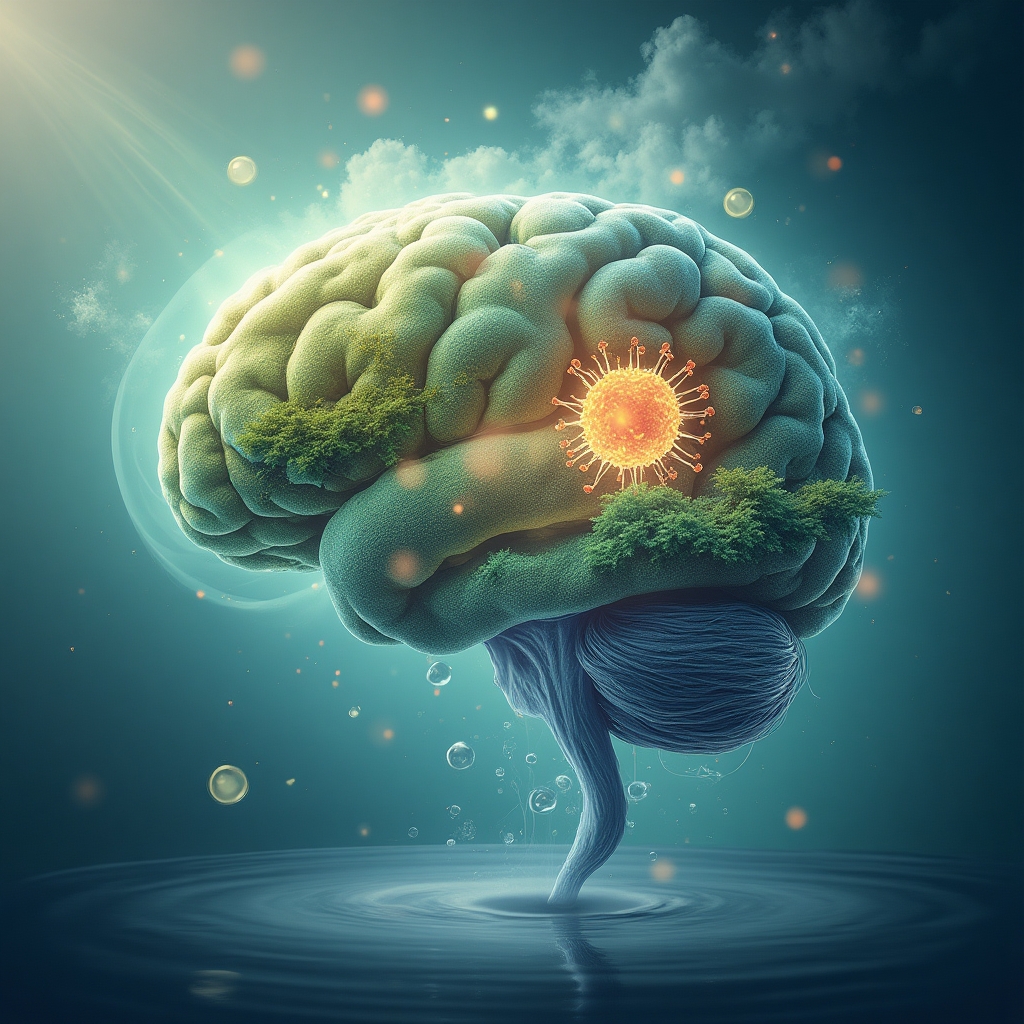
Your brain has its own elite defense team, and new research shows these "guardian" cells might be the real battleground for neurological diseases like Alzheimer’s and stroke. According to a recent study, most genetic risks linked to these diseases act not within neurons, as traditionally believed, but in the blood vessels and immune cells that form the blood-brain barrier (ScienceDaily, https://www.sciencedaily.com/releases/2025/08/250803233111.htm).
iN SUMMARY
- ? The blood-brain barrier plays a crucial role in protecting the brain from neurological diseases.
- ? Research highlights the importance of immune cells in managing neurological risks.
- ? The study shifts focus from neurons to blood vessels and immune cells for understanding Alzheimer’s.
- ? This discovery opens new avenues for prevention and treatment strategies.
The Brain's Unseen Defenders
What would you do if the battleground for something as crucial as brain health lay not within the brain itself, but at its very borders? Researchers are now uncovering the extraordinary role of the blood-brain barrier and its army of immune cells that act as vigilant guardians against invaders and disease (ScienceDaily, https://www.sciencedaily.com/releases/2025/08/250803233111.htm).
Beyond Neurons: The Real Frontline
The traditional views of diseases like Alzheimer's have often focused on neurons—the cells that transmit information throughout the brain. However, cutting-edge research has shifted this focus to the blood-brain barrier, a strategic defense of tightly packed cells designed to protect the brain from pathogens and toxins.
This new perspective comes from an understanding that many genetic risks associated with Alzheimer’s function not within these neuron cells, but rather at the boundaries—within the blood vessels and immune cells themselves.
Unlocking the Secret Roles of Guardian Cells
Think of these immune cells as a diligent team of security personnel. Their roles include not only passive surveillance but active engagement against harmful agents. When things go wrong, however—such as in Alzheimer's or stroke—these cells might malfunction, being implicated in the disease process rather than protection.
What This Means for Prevention and Treatment
This novel understanding urges scientists and clinicians to develop therapies that target these newly identified sites of risk, guided by the discovery of these shifts in focus from neurons.
- Enhancing the Blood-Brain Barrier: Researchers are exploring methods to strengthen or repair this protective boundary.
- Targeting Immune Responses: Fine-tuning the immune response might prevent the onset or progression of neurological diseases.
- Gene Therapy: Correcting genetic missteps that lead to disease at the level of these border cells is a potential frontier.
For more on this fascinating subject, you can explore local city news portals for the latest community discussions and scientific advancements, like those in Ottawa and New York.
Looking to the Future
The potential implications of these findings are enormous. By revealing new potential therapeutic targets, researchers might prevent or even reverse the damaging effects before they take root. Neurological research is now on a promising route to not only map but also mend the frontlines of our brain’s natural defenses.
Imagine a world with fewer borders for our brains, where understanding and immortalizing this border strength becomes a symbol of resilience in health! For those of you keen to delve deeper, consider reading the original study or understanding local impacts through your nearest Montreal news portal.
What innovations or insights intrigue you most about this new frontier? Share your thoughts and become a part of the conversation by joining the iNthacity community. Apply to become a permanent resident, and perhaps someday, a citizen of the “Shining City on the Web”—where ideas illuminate and inspire us all. And remember, every great frontier demands a daring leap into the unknown.
Who knows, your next leap might just lead you to an unexpected discovery. After all, even Sherlock Holmes believed that "the world is full of obvious things which nobody by any chance ever observes," so why not start observing today?
Disclaimer: This article may contain affiliate links. If you click on these links and make a purchase, we may receive a commission at no additional cost to you. Our recommendations and reviews are always independent and objective, aiming to provide you with the best information and resources.
Get Exclusive Stories, Photos, Art & Offers - Subscribe Today!
Related posts:
 Triple Your Long COVID Risk? Discover the Surprising Social Factors Behind It!
 So THAT’S why we love to live beside the seaside! Having a home within 330 yards of water may reduce the risk of mental decline, study reveals
 Mystery Disease X Outbreak in Congo Kills More Children as Health Officials Reveal Risk Level for North America
 The Journey Begins
 Space Brains: How Zero Gravity Could Help Us Outsmart Major Diseases!




Post Comment
You must be logged in to post a comment.