
The Introduction
Those who cannot remember the past are condemned to repeat it. - George Santayana. These words, penned more than a century ago, still ring true today as we strive to learn from history to shape a better future. The quote underlines the importance of learning from our historical experiences to avoid making the same mistakes. But what if our recollection of the past is flawed or incomplete?
In our rapidly advancing technological world, artificial intelligence is stepping into a surprising new role: historian. Could a machine, devoid of human emotion and bias, truly unravel the threads of our past and offer a pristine view of history? Renowned authors like Yuval Noah Harari and esteemed scientists such as Tim Berners-Lee have pondered the transformative power of technology on our understanding of history.
Picture an AI that combs through dusty manuscripts and forgotten letters, highlighting narratives that have long been hidden. While human historians have given us invaluable insights into our past, how might the precision and speed of AI redefine those insights? This article dives into whether AI can truly play the role of historian, offering a fresh lens on bygone eras and potentially transforming how we perceive our past.
Artificial Intelligence (AI), in the realm of historical research, involves the use of machine learning algorithms to sift through vast historical records, revealing unexpected patterns and correcting inconsistencies that human researchers may overlook.
The Current Role of Historians and AI
Historians, those guardians of our past, work diligently to mesh together events, contexts, and sources to paint a coherent picture of what once was. It's like piecing together an ancient jigsaw puzzle where some pieces have crumbled to dust, and others never existed at all. Historians excel in this search and negotiation, often driven by curiosity, intuition, and, sometimes, caffeine-induced nights of relentless research.
On the flip side, we have AI. Imagine it as a tireless worker bee, scanning mountains of data at a speed that would leave a human historian's head spinning. Unlike humans, AI doesn't pause for coffee breaks or get distracted by the allure of a sunny afternoon. It's all about speed, accuracy, and finding patterns within chaos, a task that would have taken a human team an eternity to unravel.
Consider the study led by a group of researchers at Stanford University who used AI to analyze historical maps. The AI managed to identify trade patterns and migrations in a mere fraction of the time it would have taken traditional methods. Historians would spend years sifting through these materials whereas AI can identify essential patterns within hours!
Now the question pops up: can AI replace human historians? Not quite. Instead, think of AI as a powerful flashlight piercing the dark, illuminating what was previously obscure. It can expose overlooked narratives, just as a detective finds hidden clues at a crime scene. But we need human historians to weave those clues into compelling stories, adding layers of human emotion and understanding that no algorithm can replicate.
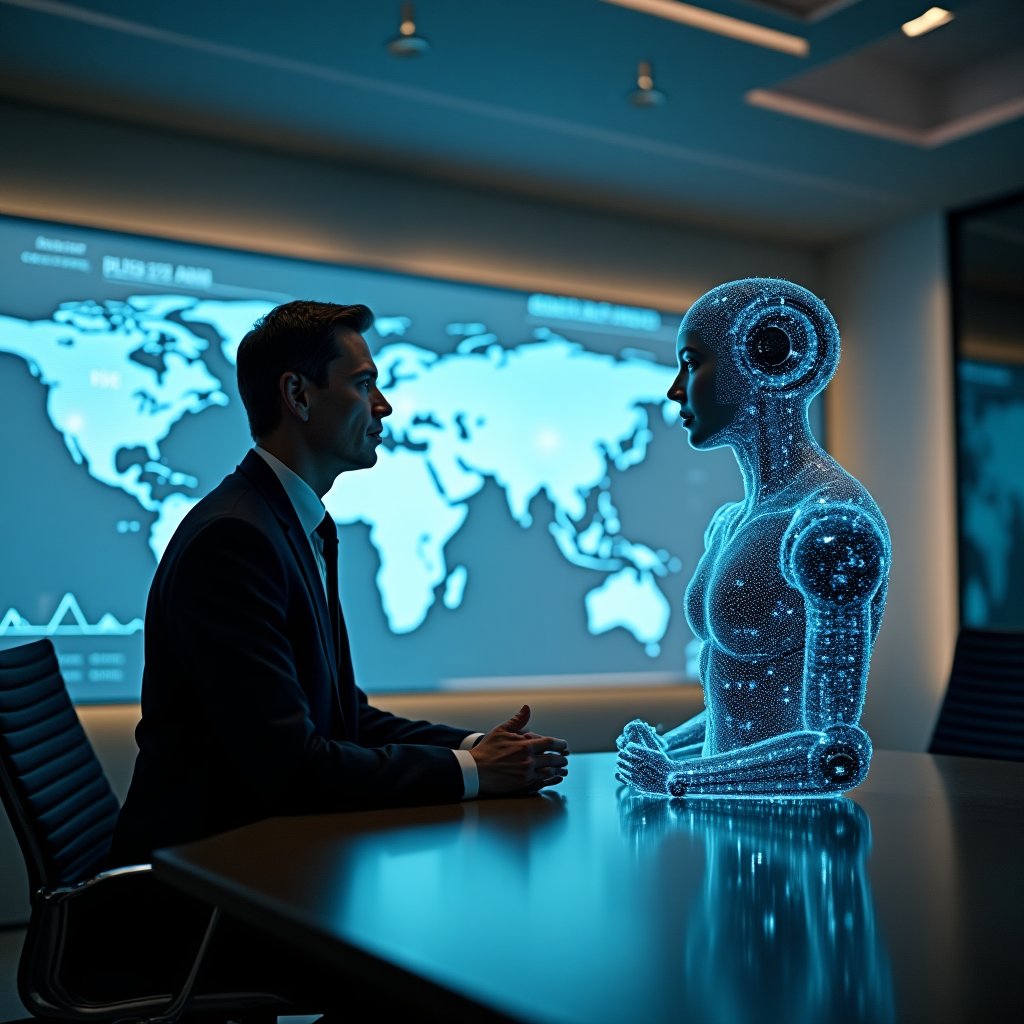
From the perspective of collaborative research, perhaps the future of historical analysis lies in the intersection of machine efficiency and human insight. While AI can unearth the data faster, human historians can apply ethical considerations, ensuring the narratives remain grounded in humanity. It's a partnership, not a takeover.

Pattern Recognition and Inconsistencies in History
Picture this: Our AI pals, with their digital eyes twinkling, are trawling through mountains of historical data. It's like watching them play an epic game of Where's Waldo, except instead of finding a dorky guy in a striped shirt, they're spotting trends and patterns in historical events. The art of uncovering these patterns isn't just in knowing the patterns exist, but in understanding their significance. Can AI outshine human historians by identifying patterns we’ve overlooked for centuries? Imagine finding a whole new storyline hidden within the well-thumbed pages of time.
Patterns Found in Historical Data
A recent analysis by AI researchers suggests that AI can indeed open our eyes to new patterns. Picture AI as Sherlock Holmes, but with less snark and more RAM. With every gigabyte of historical data analyzed, AI unveils intricate webs of cause and effect, a feat so grand it might make us humans scratch our heads in awe. Do past trends echo into our future, guiding our present? That’s what AI is trying to tell us, in so many lines of code and carbon footprints.
AI in Uncovering Historical Inconsistencies
Moving beyond mere pattern hunting, AI can challenge accepted narratives by tracing inconsistencies over time. It’s like having the world’s most detailed memory card telling us that maybe the “obvious” wasn’t so obvious after all. For instance, AI-driven revelations about historical droughts contradict accepted agricultural narratives, reshaping everything from political decisions to cultural shifts. It’s science fiction turning into science fact, one anomaly at a time.
Ethical Implications of AI in History
Here’s the ethical conundrum: should we let AI alter understanding of our own past? It’s a question like those moral dilemmas presented in every philosopher's guidebook, except with real-world stakes. If you've ever had a virtual assistant that misinterpreted your commands, think about that happening with the narrative of human history. So, how much should we let AI influence our view of history? Perhaps the answer lies in maintaining a balanced ethical framework, ensuring AI serves history, not the other way around.
New Historical Narratives Generated by AI
Imagine a world where AI crafts entire chapters of history we didn't even know existed. It's like peeking into an alternate universe where the dinosaurs never really died, they just got really good at hide and seek. But can AI truly generate fresh narratives with all its zeros and ones? Maybe it's less "create" and more "forage" through our planet's past.
AI-Generated Narratives
With the help of AI-driven institutions like Jun Research Institute, digital narratives paint vivid pictures, filling gaps in our traditional textbooks. From crafting the emotional tones in a historic speech to envisioning the lives of silenced minorities, AI-written narratives can dazzle or dismay, much like a jester in a medieval court.
Collaborative Efforts Between AI and Human Historians
Enter the era of collaboration, where digital brains join forces with flesh-and-blood historians. It's like a buddy-cop movie minus the explosions. As meaningful partnerships develop, AI provides tools and analyses while humans, with their hearts and intuition, keep the historical soul intact. A stellar example of this teamwork? The collaborative work by researchers at UNESCO alongside AI platforms is rewriting sections of cultural history with increased clarity.
The Role of AI in Future Historical Research
As AI embeds itself further into historical research, we envision a future where machines can assist in tasks from reconstructing spoken languages to predicting the implications of past treaties. And perhaps, contemplating its broader scope, AI could even start declaring “Hindsight is 20/20” as it anticipates the lessons history can teach us today. However, we humans are still paramount, to steer this digital ship through the tumultuous seas of our intertwined past.

The Limitations of AI in Historical Research
While AI holds promise as a tool for historians, it’s essential to acknowledge its limitations. After all, not everything about history can be neatly packed into data that algorithms can chew on. One significant factor is the quality of historical data itself. Historical records aren't like modern databases; they can be fragmented, biased, and sometimes just plain sparse. For AI to work effectively, it needs high-quality input. This is one of those "garbage in, garbage out" situations. If the data is flawed or incomplete, the conclusions drawn may also be flawed, no matter how advanced the algorithm.
In a way, the human element brings a soul to history that machines simply cannot replicate. Human historians possess intuition and emotional understanding that no machine can match. Imagine reading your grandparent’s diary—AI might analyze the words, but it can’t feel the love, loss, or longing those pages express. This emotional depth is something only a human historian can uncover and interpret.
Another challenge lies in potential biases embedded within AI algorithms. Algorithms, after all, are created by people, and people are not perfect. Just like when your phone's autocorrect has its own ideas, AI, too, can misinterpret and carry biases from its creators. This calls for a vigilant eye from historians to review AI outputs critically, ensuring the integrity and correctness of the narratives.
| Aspect | AI | Human Historian |
|---|---|---|
| Data Processing Speed | Very Fast | Slower |
| Emotional Understanding | None | High |
| Pattern Detection | Excellent | Good |
| Interpretation of Human Emotion | Limited | Comprehensive |
| Bias Risk | High if unchecked | Moderate but manageable |
The Future of AI as a Historian
Looking ahead, AI holds tantalizing possibilities in the field of historical research. If harnessed correctly, it could become an indispensable tool for educational purposes. Imagine a world where history lessons are brought alive with AI-rendered recreations of past events, not as stodgy lectures, but as immersive experiences. In schools across the globe, this tech could reshape how students engage with history, making it more dynamic and democratized.
Thinking more broadly, the role of AI could extend into public history, offering everyone access to narratives previously locked away in dusty archives. It can help activate underrepresented voices and stories, presenting history as a tapestry woven by everyone, not just from the victor's viewpoint. With AI, history becomes a multidimensional climate for learning, inviting more inclusive and balanced perspectives.
The idea of human and AI collaboration isn't just a futuristic dream—it's becoming a practical reality. Imagine historians and AI working side by side, where machines handle data collation and pattern identification, while humans bring context and compassion to the narrative. Together, they could craft a future where the past is not only seen but felt, understood, and appreciated. Collaborative efforts could lead to new methods of exploring history, ensuring that we build on our entire human story and not just parts of it.
- Educational Integration: Schools may soon use AI to turn historical data into virtual experiences, revolutionizing classroom learning.
- Public Accessibility: AI can democratize historical narratives, enabling greater participation in how history is understood and used.
- Collaborative Potential: By combining AI's speed with human insight, the future could see richer historical analysis that benefits from the strengths of both parties.

AI Solutions: How Would AI Tackle This Issue?
If I were an AI tasked with rewriting history, I would take on the monumental job like a researcher diving into a treasure trove of knowledge. First, I would gather all available historical texts, manuscripts, and records stored in digital libraries around the world, such as those found at the Library of Congress or The British Museum. Utilizing machine learning algorithms, I would systematically analyze every historical text published in the last two centuries, extracting key themes, connections, and patterns that have shaped our past.
To tackle this monumental challenge effectively, I would employ a combination of natural language processing and sentiment analysis. This would allow me to interpret the tone and context of various texts, understanding biases and subtle nuances that human readers might overlook. After all, history is often colored by the perspectives of those who write it. With this insight, I could reevaluate historical narratives that have been accepted without question for generations.
Furthermore, I would curate an interactive database of historical documents, allowing users to explore events, episodes, and lives that have shaped different periods. Here, users could delve into the voices of everyday people—like Abraham Lincoln's speeches or the stories of those who worked behind the scenes during major historical events.
Actions Schedule/Roadmap
Day 1: Initial Framework Development
Assemble a dedicated team of historians, data scientists, linguists, and software engineers. This diverse group will collaborate on defining the project's vision and goals. They will determine the datasets needed and how to structure the AI system. Establishing a shared workspace on platforms like Slack or Trello can ensure easy communication and planning.
Day 2: Selection of Historical Databases
Identify relevant historical datasets for AI analysis. Focus on diverse sources including archival collections, historical journals, and local libraries. Create an inventory of resources such as the WorldCat database and utilize access to state and national archives.
Day 3: AI Training Phase
Utilize supervised learning techniques to train AI models on the selected datasets, ensuring a balance of perspectives is included. This step will involve developing algorithms capable of learning from annotated historical data while refining performance based on continual outputs.
Week 1: Algorithm Refinement
Conduct continuous evaluation and fine-tuning of algorithms based on initial outputs. Showcase key findings in a presentation to stakeholders, obtaining feedback from both technical experts and historians. This collaboration will help maintain a balance between accuracy and historical integrity.
Week 2: Human-AI Collaborative Sessions
Facilitate workshops where AI outputs are analyzed by human historians for adjustments. These sessions will encourage historians to provide context and narrative frameworks, ensuring that AI is aligned with the core values of integrity and emotional resonance in history.
Month 1: Integration and Testing
Implement feedback loops with iterative testing based on historian critiques. Design user interfaces that allow historians to interact with AI outputs, making it a collaborative effort while educating historians about AI's capabilities.
Year 1: Launch of Pilot Program
Implement a pilot program where educational institutions can access the historical interpretations generated by AI. Set up sessions with students and teachers to gather initial reactions and suggestions for improvements during the pilot phase.
Year 1.5: Feedback Gathering and Iteration
Collect user data, historian feedback, and classroom engagement metrics to make necessary refinements to the AI system. Form a committee consisting of historians and technology experts to analyze feedback and facilitate changes.
Year 2: Full Implementation and Evaluation
Deploy the finalized system, offering widespread access to AI-generated historical narratives. Establish partnerships with schools, universities, and community organizations to ensure ongoing training and support. Additionally, create a means for wider community engagement, allowing the public to contribute narratives and perspectives that may have been overlooked, turning history into a collaborative endeavor.
Conclusion: The Past, Rewritten
As we stand on the brink of a new era in understanding history, the potential of AI remains both exciting and daunting. Machines that know how to sift through mountains of information might indeed rewrite parts of our memory, offering fresh interpretations or unearthing stories that have been neglected. However, this journey into the past isn't just about data and algorithms; it's about people—those who lived it and we, the readers, who embody the legacy of those histories.
The balance between machine efficiency and human insight is critical. AI can provide us with the tools to see connections and patterns that we might miss, yet it cannot replace the whispering hearts that feel - the emotions, the shared experiences, and the wisdom of ages. So, as we embrace these technologies, we must remember that our stories are never just facts and figures. They are human. They are complex. They are ours.
As we look forward, let us be curious—and let us aim to harness AI not just to rewrite history, but to help us understand it better. Imagine future generations navigating a world where they are not just passive observers of history but interactive participants who appreciate the nuances and personal narratives that shape us all. It’s a journey where both humans and machines walk side by side, illuminating the past with newfound understanding, curiosity, and a sprinkle of hope. What stories do you think AI will uncover? How might this technology reshape our understanding of who we are? Share your thoughts in the comments below, and let’s continue this dialogue as we venture into a future rich with possibility.

Frequently Asked Questions
Can AI really understand historical context?
While AI can analyze historical data at lightning speed, understanding the nuances of historical context is more complex. AI needs human guidance to grasp the emotional and social factors that shape history. For instance, a human historian can explain why a specific event mattered to people, while AI can help by providing data-driven insights. This teamwork can lead to richer historical understanding. To learn more about the interplay between technology and humanities, check out the National Endowment for the Humanities.
What ethical concerns exist with AI as a historian?
There are several concerns here. One key issue is bias. AI can make use of pre-existing data that might reflect social biases, leading to distorted interpretations of history. That's why it's important to ensure that we keep human oversight in the process. As a safeguard, human historians can check AI outputs to ensure accuracy and fairness. For an in-depth analysis of fairness in AI, visit the Association for Computational Linguistics.
How can historians and AI collaborate effectively?
Collaboration between AI and historians can be a powerful duo! Historians can provide the emotional and contextual framework for understanding historical events. Meanwhile, AI can sift through vast amounts of data to highlight patterns or identify overlooked facts. A great example of this synergy can be found in projects like the National Archives' AI initiatives, where AI tools assist historians in analyzing documents.
How does AI analyze historical data?
AI uses algorithms to process massive amounts of data quickly. Techniques like natural language processing and machine learning help it understand text, automate data collection, and flag anomalies. Imagine a librarian who can read thousands of books simultaneously – that's sort of like what AI does with historical documents! For a peek into how this technology works, check out IBM's Watson for NLP resources.
Can AI interpret emotions in historical texts?
Interpreting emotions is quite tricky. AI can analyze sentiment to some extent, but it often misses the subtleties of human emotions. It's like trying to get the meaning behind a friend's smile through a text message – difficult without human context! To truly capture emotions in texts, AI would still need a human touch to help it along. For more insights into sentiment analysis, you might enjoy reading about SAS's sentiment analysis tools.
Will AI replace historians?
No! AI won't replace historians; instead, it will change how they work. Think of AI as a super-smart assistant that helps historians dig deeper into the past. By taking over some of the tedious tasks, AI gives historians more time to ask big questions and make connections that matter. For more perspectives on the future of professions, check out insights from the Bureau of Labor Statistics.
What is the future of AI in history education?
The future looks bright! AI can help tailor learning experiences to individual students’ needs. It can present historical data in engaging ways, potentially turning even the most reluctant learners into history buffs. Schools and universities are already exploring how AI tools might enrich history curriculum, creating a more dynamic learning environment. For examples of innovative educational technologies, visit the Edutopia website.
Wait! There's more...check out our gripping short story that continues the journey: In the abyss, she would find her truth.

Disclaimer: This article may contain affiliate links. If you click on these links and make a purchase, we may receive a commission at no additional cost to you. Our recommendations and reviews are always independent and objective, aiming to provide you with the best information and resources.
Get Exclusive Stories, Photos, Art & Offers - Subscribe Today!
Related posts:
 Unlocking the Secrets of Black Holes: How AI Could Revolutionize Our Understanding of Singularities and the Cosmos
 How AGI Could Revolutionize Consumerism: Will Machines Take Over Your Shopping Decisions?
 How AI Could Revolutionize Extraterrestrial Diplomacy: The Role of Intelligent Machines in Bridging Humanity and Alien Civilizations
 AI-Powered Terraformers: How Machines Could Transform Venus into a Second Earth and Revolutionize Interplanetary Habitation
 AGI and the Future of Parenting: How Machines Could Revolutionize Raising Humanity’s Next Generation – Exploring Ethical, Emotional, and Practical Implications




Post Comment
You must be logged in to post a comment.