

It’s shaping up to be one of the worst tick seasons ever in the U.S., thanks to winter that saw both heavy snowfall and the arrival of warm temperatures in the early spring. These weather conditions have created the ideal environment for a variety of bugs to thrive. With many scientists predicting unusually high tick populations this year, it could make for a longer tick season and hence more opportunities for them to come into contact with people and pets.
Related: What’s Eating Your Lawn? The Spring Pests You Can’t Ignore
Why We’re Seeing an Increase In Tick Activity
Snow Blanket Effect: While snow may appear to the enemy of ticks, it’s actually beneficial for them. Heavy snowfall in the Northeast this past winter created a thermal insulator that blanketed the ground, keeping soil temperatures higher than normal. As a result, many ticks were able to survive the winter.
The Acorn Effect: Showing a true cause and effect relationship in nature, last year was a “mast year” with various types of oak trees producing bumper crops of acorns. This led to a dramatic increase in white footed mice, which are one of the primary hosts for ticks.
Early Spring Awakening: With the arrival of spring-like temperatures before the actual arrival of spring, ticks began awakening early this year in such states as Wisconsin and Connecticut.
Why This Year Could Be Worse
A Longer Tick Season
The early arrival of spring coupled with warmer temperatures running deeper into fall makes the tick season longer. This longer tick window means there’s greater chance of tick exposure and hence a bigger risk of being bitten by a tick and contracting a tick borne disease. Even if you haven’t seen increased tick activity yet, conditions are right for tick populations to spike as soon as temperatures begin to rise.
Related: Your Potting Soil Might Be Killing Your Plants—Here’s How to Tell
Where Are We Seeing Spikes in Tick Activity?
Areas in the Northeast, Midwest, and the South are seeing increases in tick activity already.
How Bad is It?
The Centers for Disease Control estimates for this tick borne disease suggests this could be a record tick season. The CDC projects diagnosed cases of Lyme disease could surpass 500,000 for the first time ever. The National Pest Management Association (NPMA), is forecasting high tick activity across much of the country, from the Northeast, to the South, to the Midwest.
Why Ticks Are a Bigger Concern Than Other Bugs
Tick populations are a significant concern given the diseases borne illnesses they carry, namely lyme disease and Rocky Mountain spotted fever, both of which can cause major health problems if they’re not treated right away. With higher tick populations and a longer exposure window, tick prevention is even more critical than it has been in the past.
Where You’re Most Likely to Encounter Ticks
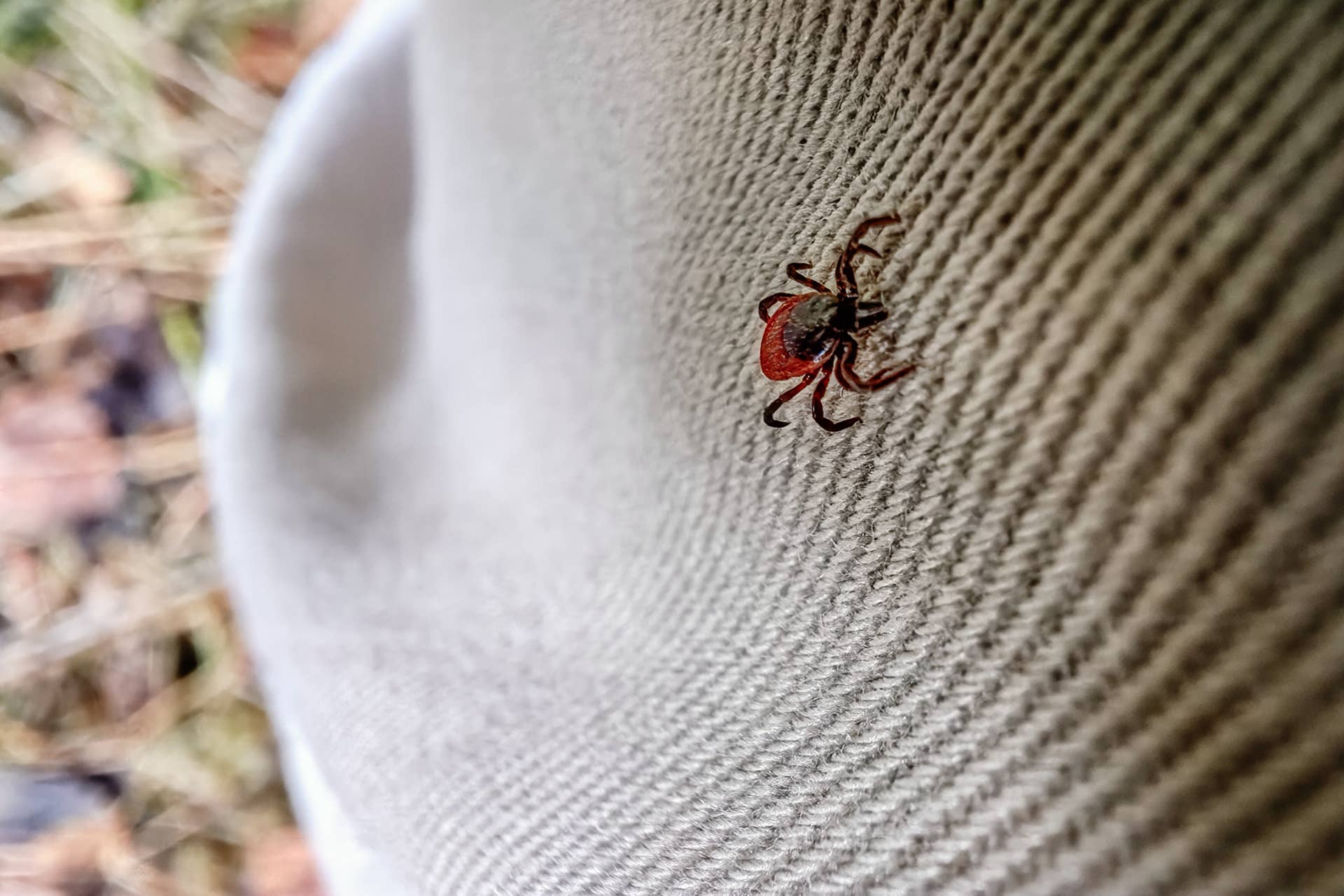
Ticks aren’t particularly mobile. They hang out in grass and brush and wait for you to come to them. Here’s where you’re most likely to find ticks:
- Overgrown lawns and tall grass
- Wooded areas and tree lines along properties
- Piles of brush or leaves
- Shaded damp areas in your yard
What You Can Do Now To Prevent Ticks
Trim Your Yard
Ticks love to hide in tall grass. Keep to your mowing schedule and prevent your grass from growing too high, so ticks don’t have a place to hide and wait for pets and passersby.
Keep a Tidy Yard
Get rid of any leaf piles, clear out brush, and trim back any overgrown vegetation that can provide cover and moisture for ticks.
Create a Tick Buffer
Parts of your yard that border wooded areas as especially prone to tick activity. Create a buffer that makes it hard for ticks to move from woods to lawn. Install a strip of gravel or mulch that separates your yard from trick heavy wooded areas.
Protect Yourself
Wear sleeves and long pants when venturing into areas with heavy tick activity such as woods and tall grass. Also use insect repellent to keep ticks at bay. Repellents that include DEET, Picaridin, Oil of Lemon Eucalyptus, are especially effective at repelling ticks.
Conduct Tick checks
After spending time outdoors, check your skin, clothing and pets for any ticks. Catching ticks early is key to preventing the transmission of diseases.
Bottom Line
An unusual winter has created conditions that are ripe for greater tick activity. With surges expected in various parts of the country, it makes sense to take precautions now to protect your pets and family. By taking the time to make your yard less tick friendly, you can avoid issues as the weather warms up. If you’re noticing an increase in tick activity in your yard, or you’re finding ticks on your pets or yourself more frequently, then it may be time to call in a professional to treat your yard. Pest control services can decrease the tick population on your property and suggest improvements that will decrease tick activity.
Source: Life – Fitness – mensjournal