
Is there a ‘best’ solar eclipse?
Source: Science – Scientific American
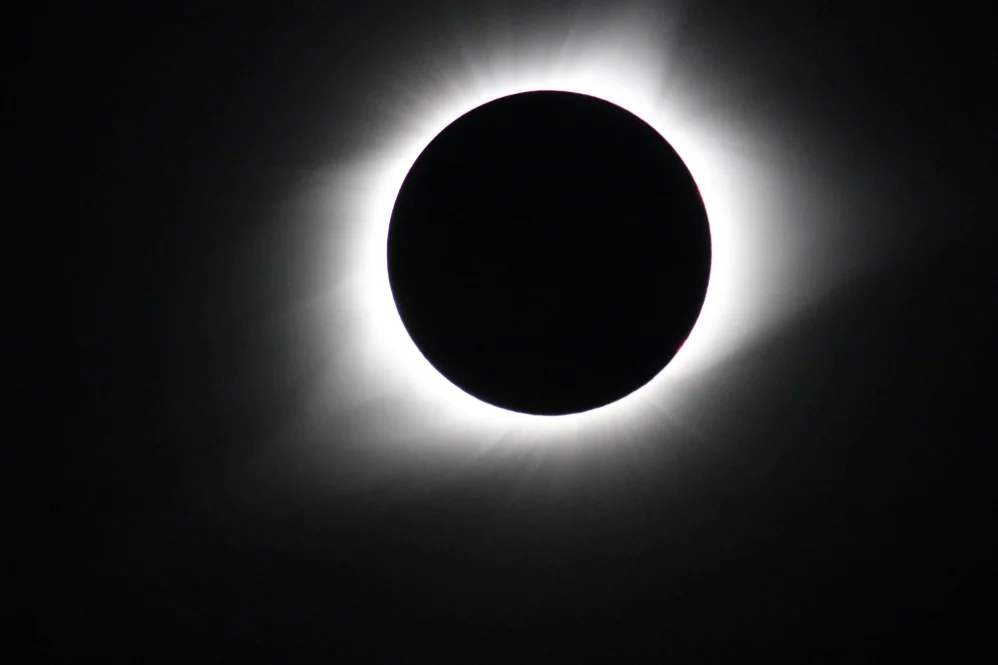
Is there a ‘best’ solar eclipse?
Source: Science – Scientific American


Suddenly, the world is plunged into an eerie, violet darkness. The temperature drops. Birds and other animals, bewildered by unforeseen night, start behaving strangely. Stars and planets appear in the sky next to the blotted-out sun.
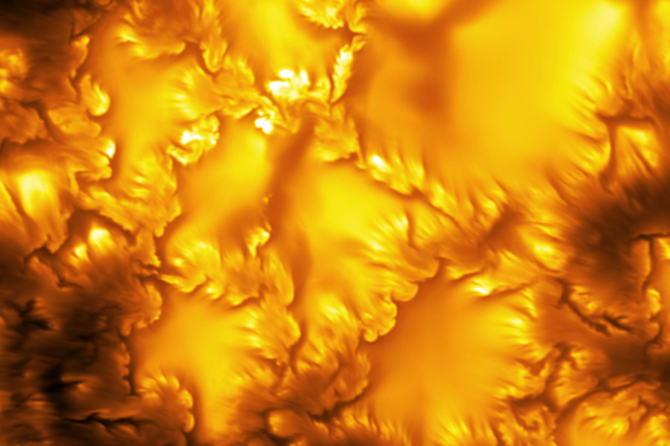
For the first time, scientists have directly observed a 150-year-old predicted phenomenon on the sun’s surface that could explain why the sun’s atmosphere is far hotter than its surface.

Over the past few decades, scientists have become increasingly interested in developing materials that do not simply withstand mechanical forces but instead respond to them in useful, detectable ways. For example, it is now possible to engineer materials that signal…