
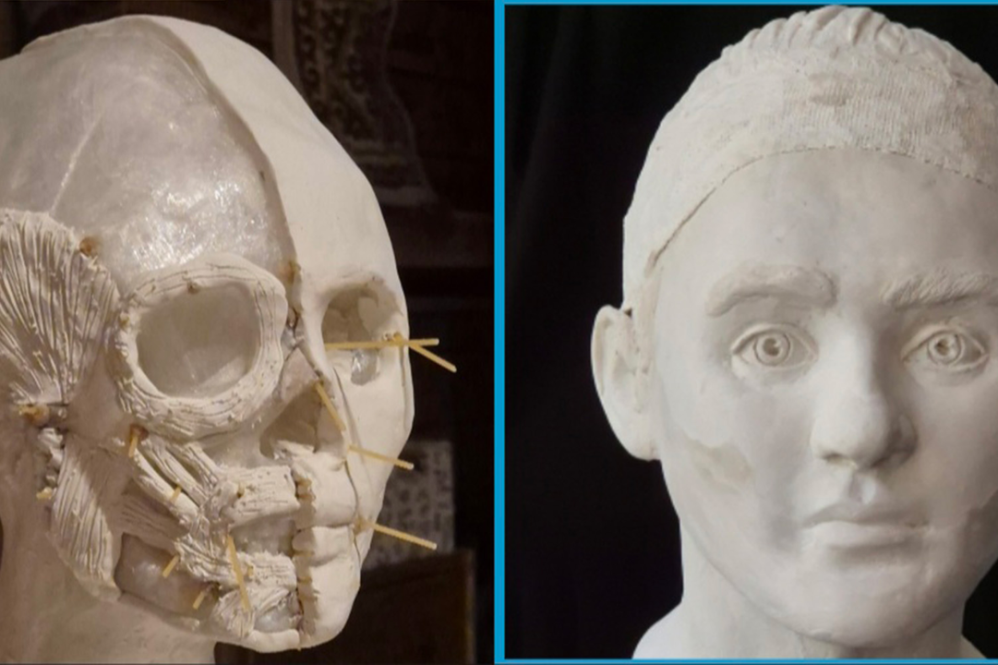
The face of a young woman crowned with a laurel wreath, buried in elaborate clothing and unusual cork sandals, has appeared nearly 1,700 years after her death.
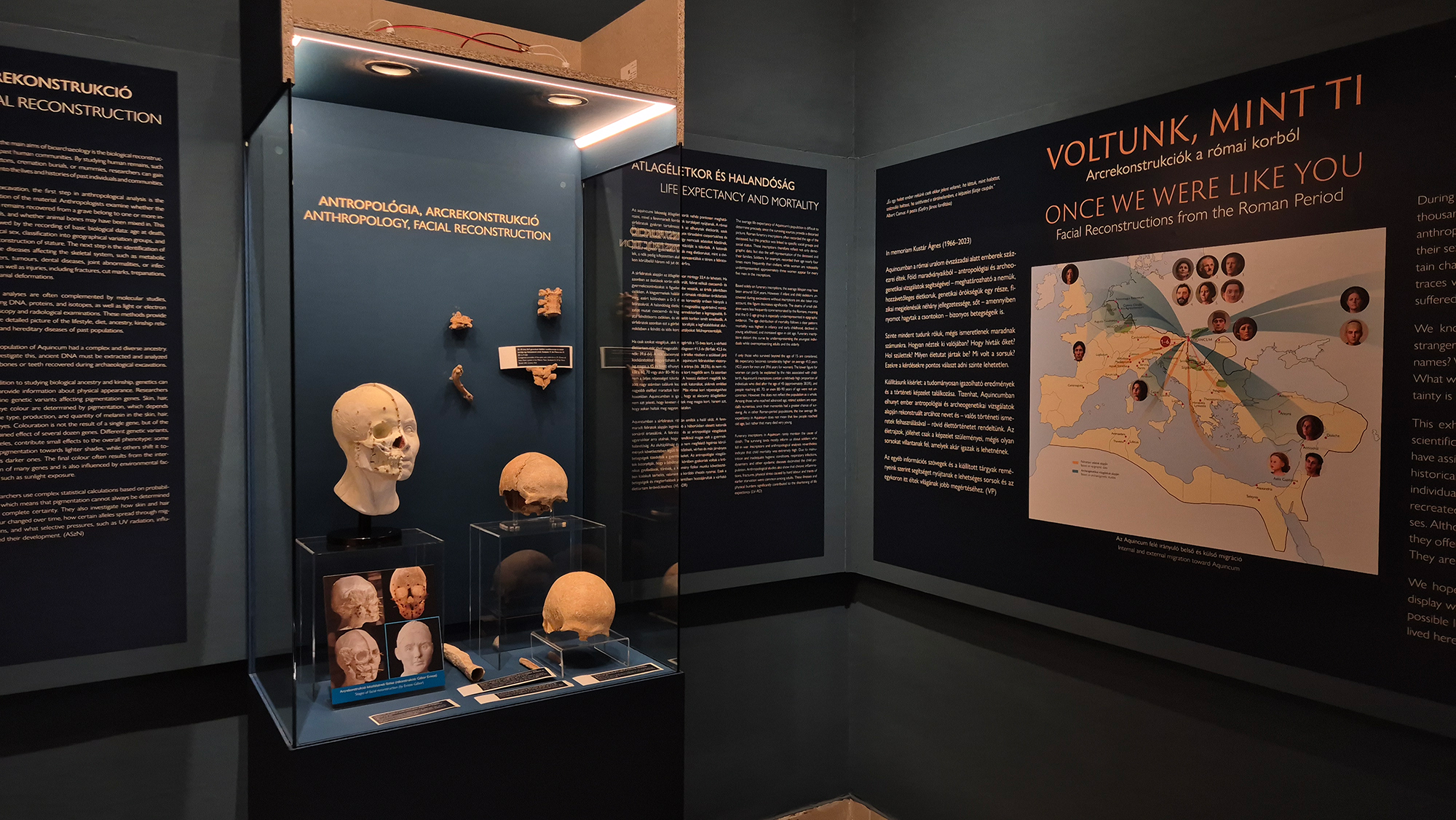
She is one of 16 people from Aquincum, a Roman-era city in present-day Hungary, whose faces have been reconstructed for “Once We Were Like You,” a new exhibition at the Aquincum Museum in Budapest. The display pairs skulls excavated in and around the ancient city with scientifically informed approximations of how their owners may have looked in life.
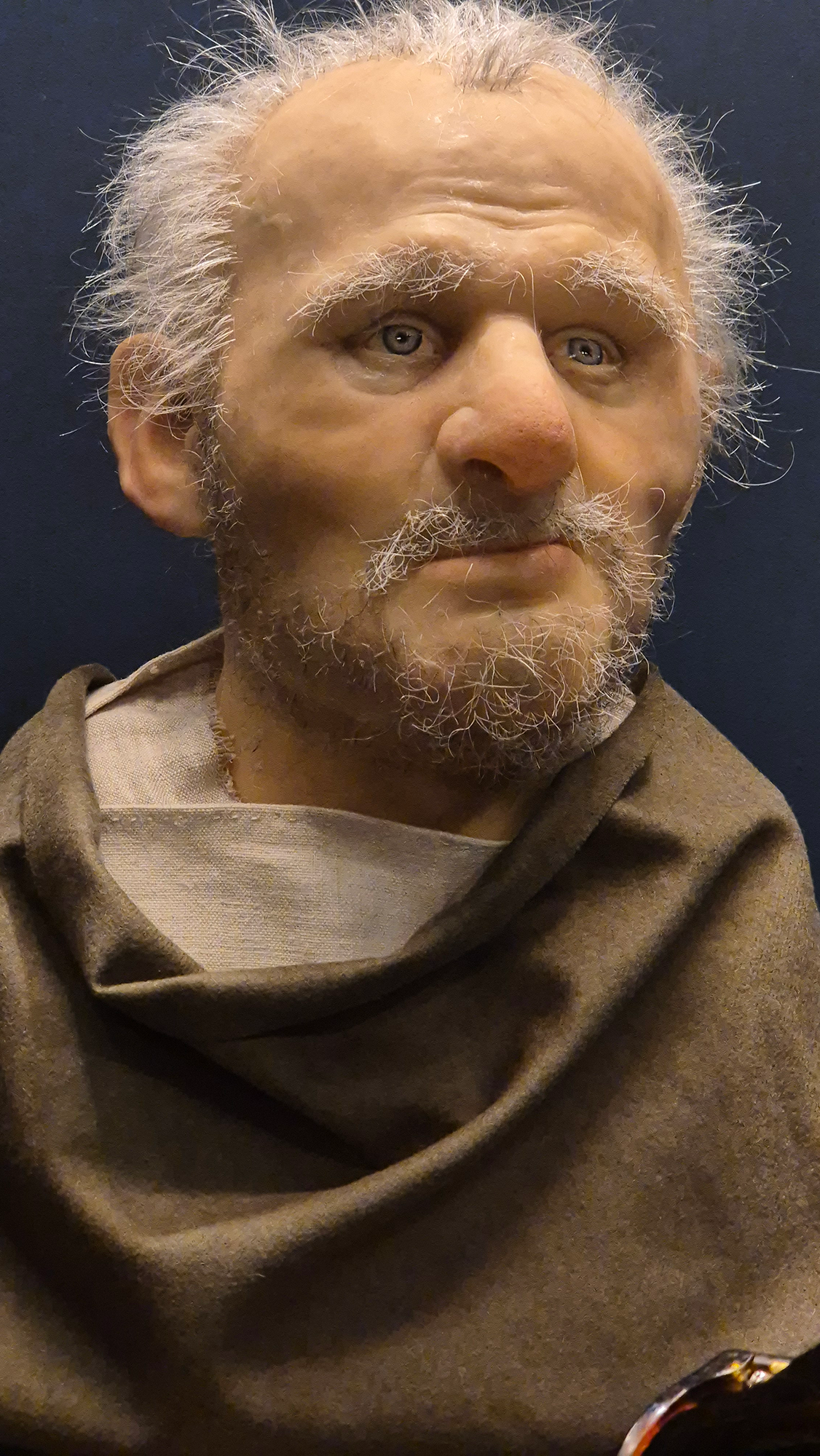
Six of the reconstructions are hyperrealistic silicone models, complete with artificial eyes, human hair, eyebrows, eyelashes and, in some cases, beards. The exhibition, which runs through Oct. 31, includes men, women and a child who lived during the region’s period of Roman rule.
“The face is the most important feature for recognizing a person,” Emese Gábor, a forensic facial reconstruction specialist who sculpted the silicone faces, told Live Science in an email. Although a skull cannot reveal every detail of a person’s appearance, reconstruction lets museum visitors encounter the faces as those of “a real human being rather than as skeletal remains,” she said.
Rebuilding a Roman face
Aquincum stood on the Danube frontier of the Roman Empire in what is now Budapest. The city was home to a diverse population in the first through fourth centuries, and genetic and archaeological analyses of the individuals in the exhibition point to connections with regions including present-day Italy, Scotland and Syria, as well as Sarmatian groups from the Eurasian steppe and Celtic communities that lived in the region before Roman rule.
The remains of those who lived here have also been unearthed, and continue to be discovered today during the excavation of cemeteries,” according to a statement from the museum.
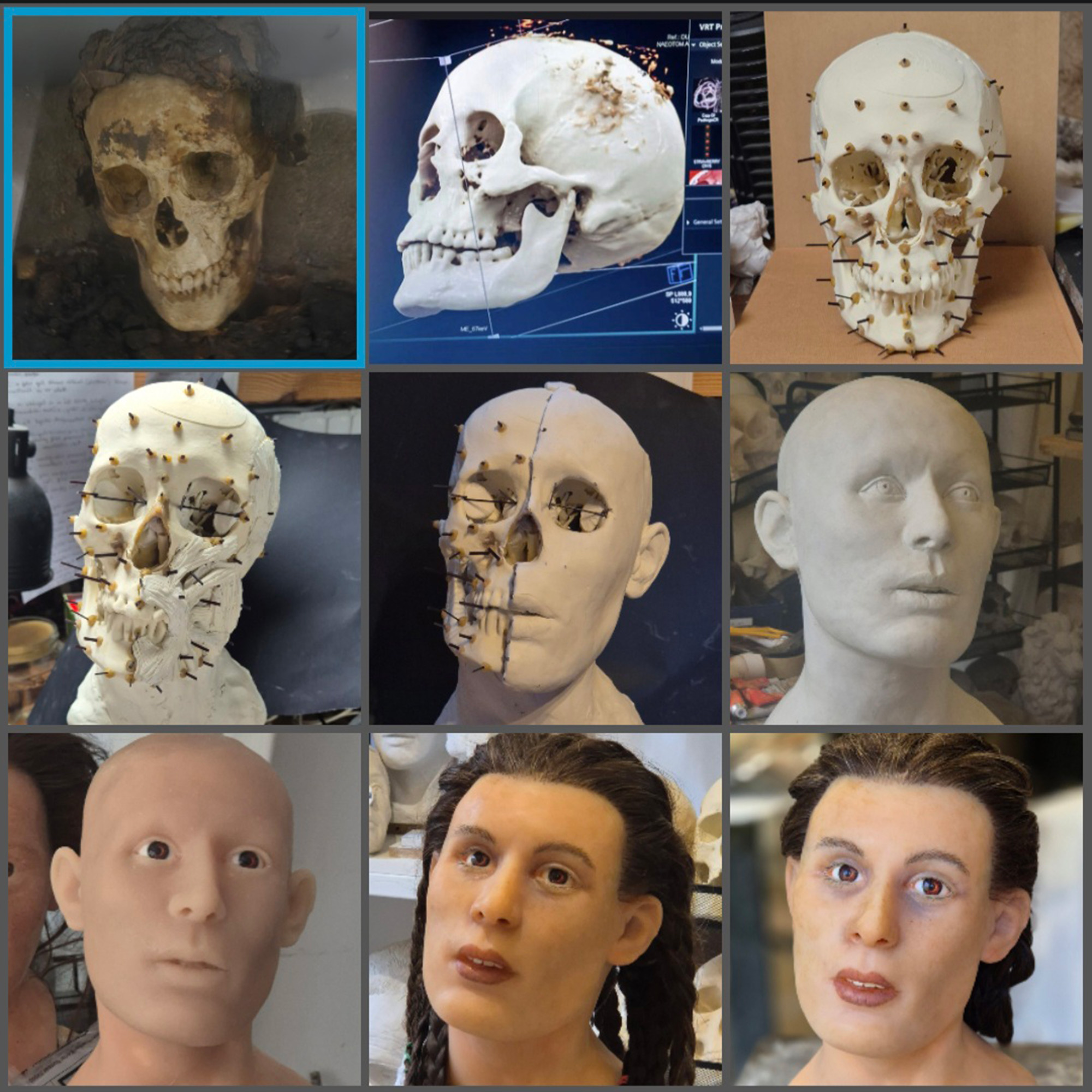
Creating a reconstructed face begins with a high-resolution 3D CT scan of the original skull. Specialists then produce an exact 3D-printed replica, allowing experts like Gábor to work without repeatedly handling or disturbing the ancient remains.
“The latest scientific advances — including 3D scanning, CT imaging, archaeogenetic (ancient DNA) analysis and facial approximation research — are incorporated whenever possible,” she said.
“If a hyper-realistic reconstruction is required, I create a mould and cast the face in coloured silicone, finishing it with real human hair, eyebrows, eyelashes and, where appropriate, a beard,” she said.
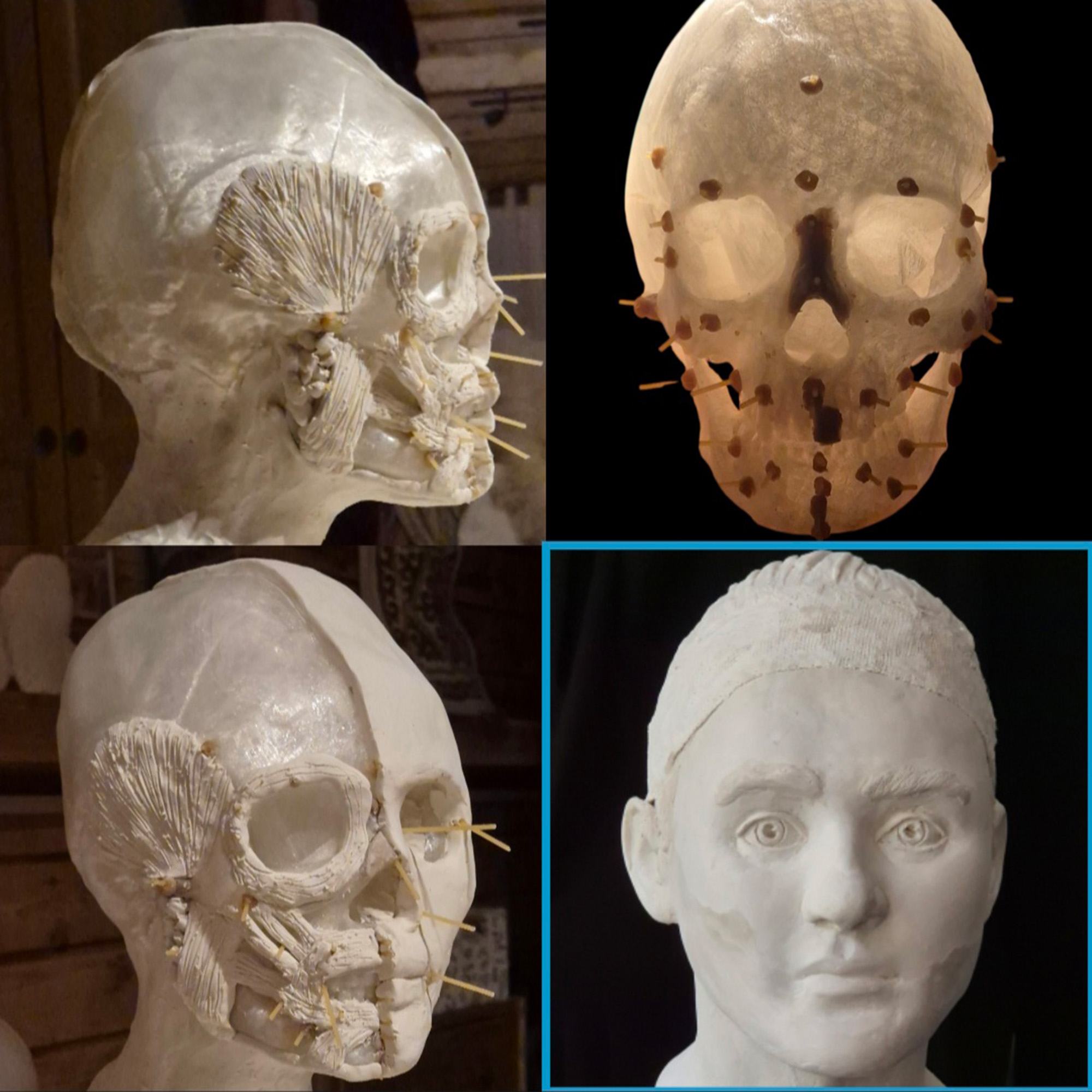
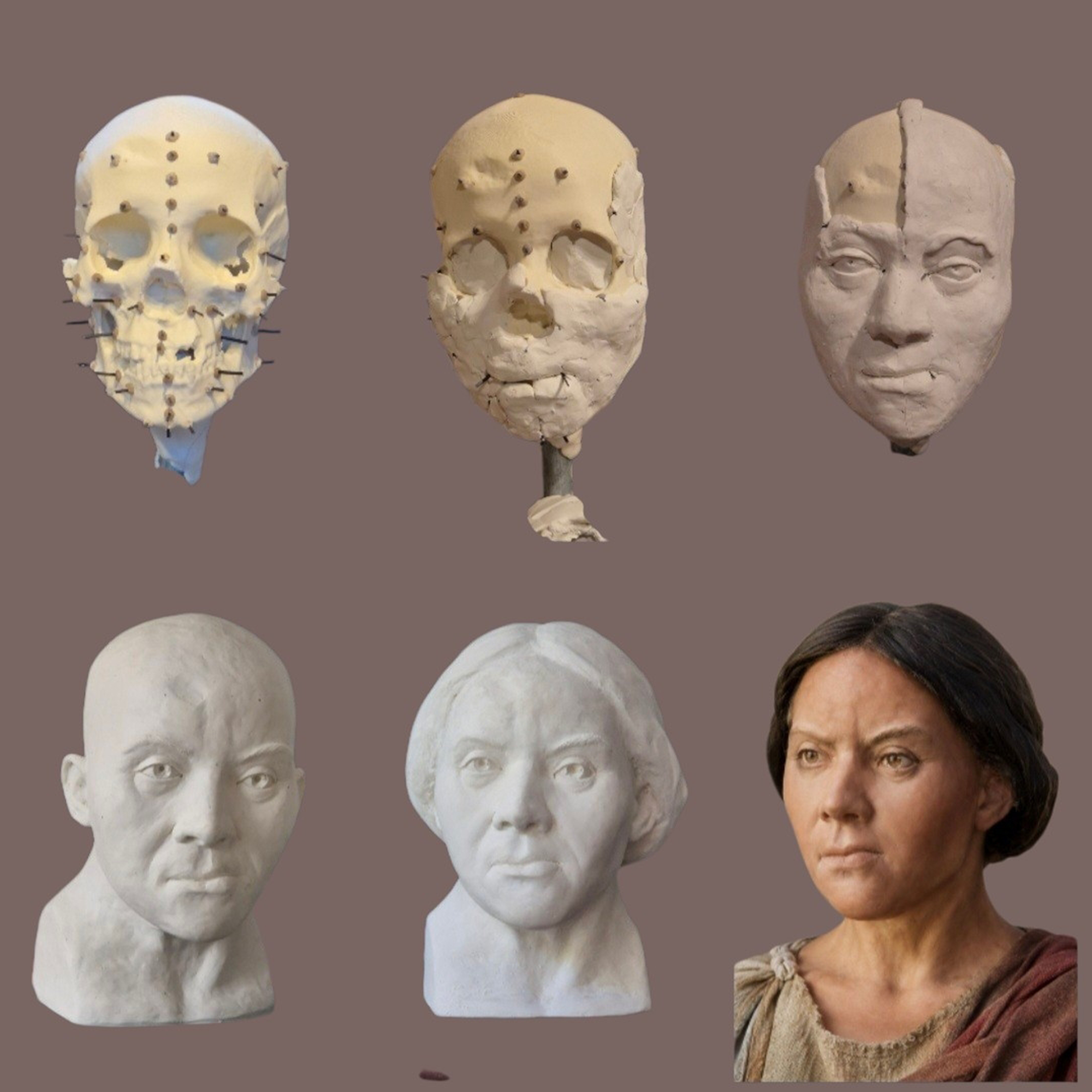
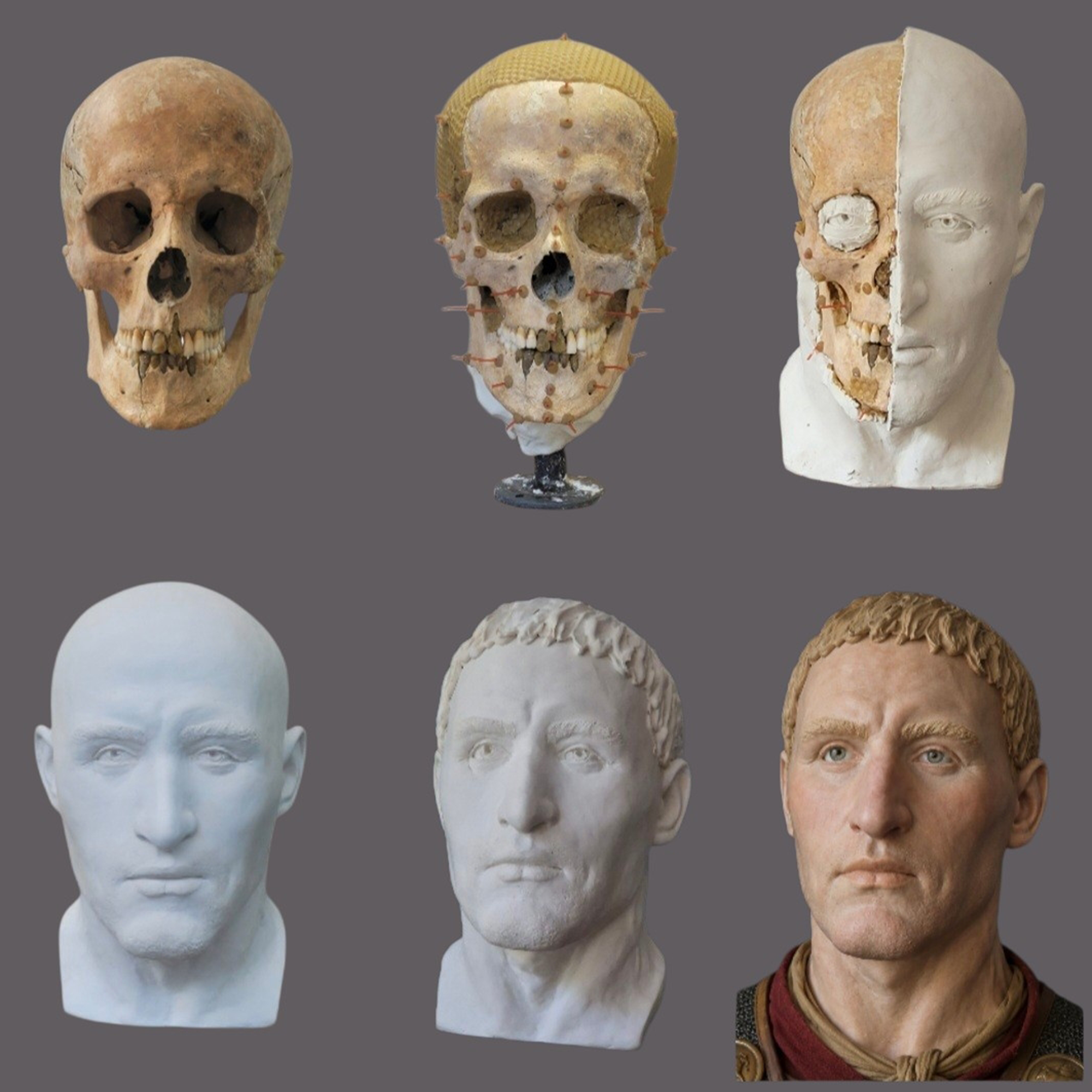
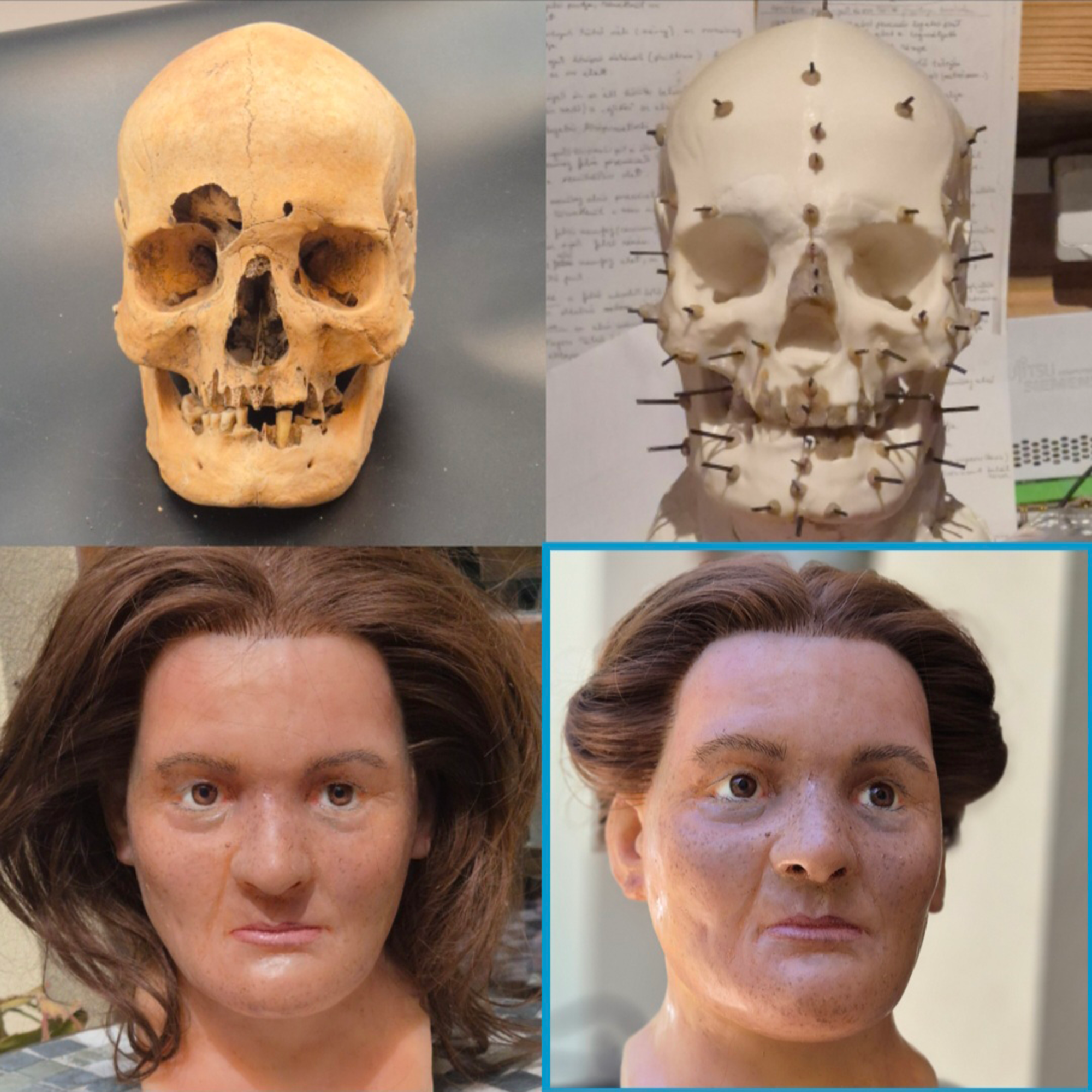
Ancient DNA can sometimes provide additional clues about pigmentation, including probable eye, hair and skin color. But the results are still approximations, not portraits. For instance, hairstyle, expression and many details of the person’s appearance are usually more speculative.
The woman with the laurel wreath
Of all the people she reconstructed, Gábor said she found it especially difficult to forget the woman known as the Jablonka Road mummy.
The woman’s skeleton was relatively well preserved, but the soft tissue on her face had decayed, leaving only the skull. A laurel wreath still rested on her head, and, according to Gábor, her burial contained fine clothing, a spindle for weaving, bird-shaped cork sandals and a painted male portrait that had been placed near her feet. Archaeologists have suggested that the portrait may have represented her husband or father, although his identity is unknown.
“Based on these details, the archaeological context and the anthropological data, it was the archaeologists who pieced together her story while I reconstructed her face,” Gábor said. “That was very moving.”
Other individuals selected for the exhibition include those of a young girl who died in childhood and a woman interpreted as a nurse or healer who was buried in a children’s cemetery. Some of the other reconstructions include a construction worker, a military officer and a blacksmith.
Two women appear to have met particularly violent or punitive ends. They were buried face down with their legs bound together, Gábor said. The exhibition’s interpretation associates one woman with an accusation of witchcraft and the other with poisons, although such details are historical interpretations rather than evidence-based findings from the burials.
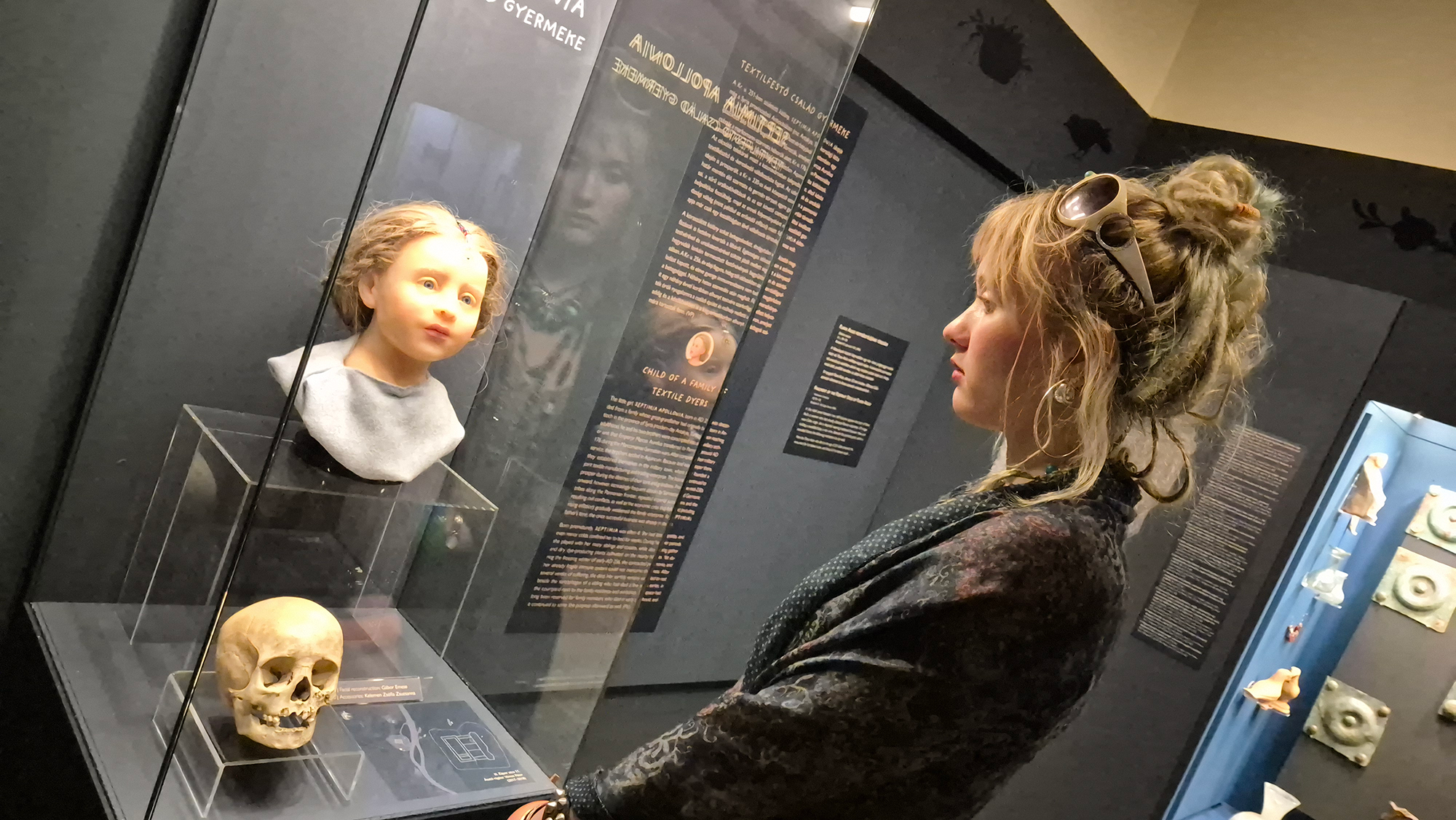
“Every reconstruction is a journey,” Gábor said. “As I shape each face, I find myself reflecting on that person’s life again and again, and by the end, they no longer feel like anonymous remains, but like real people.”
Analyses of the skeletons suggest that many of the individuals endured strenuous physical labor, periods of hunger and chronic inflammation. This evidence led museum curators to conclude that many represented the less wealthy inhabitants of Roman society — people whose names and experiences were unlikely to appear in surviving written histories.
For Gábor, the physical reconstructions offer something that a digital image cannot: Visitors can stand face-to-face with a life-size person, walk around the model and study it from different angles. Her hope is that this encounter encourages visitors to think beyond the scientific data and imagine the full lives that once surrounded the excavated bones.
“When you see a face, you don’t just see bones in a display,” Gábor said. “You see a person — someone who was born, who grew up, who worked, who loved, who laughed, who struggled, who fought with challenges, who raised children. Some were sick. Not everyone died of illness. Some died in accidents. Some through violence. And eventually, all of them died. That sense of shared humanity helps spark empathy.”
Can you match these historical maps to the empires that ruled them? Test your geography skills with our ancient empires quiz!
Source: Science – livescience