
Fans who’d grown up on the original “Star Wars” trilogy were adults when they went through the ordeal of Han, Luke and Leia dying on screen. If tears were shed then, however, spare a thought for the kids who’d queued to watch “Transformers: The Movie” back in 1986, only to see many of their heroes expiring in the cartoon spin-off’s opening act.
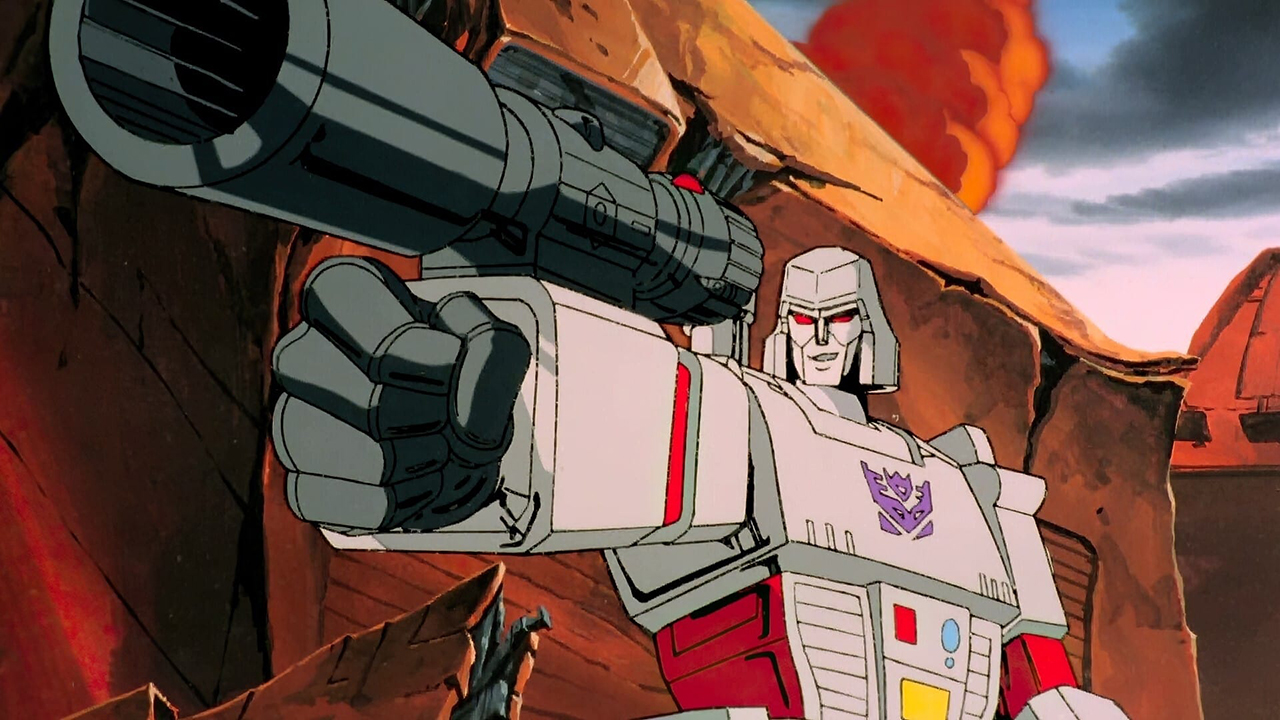
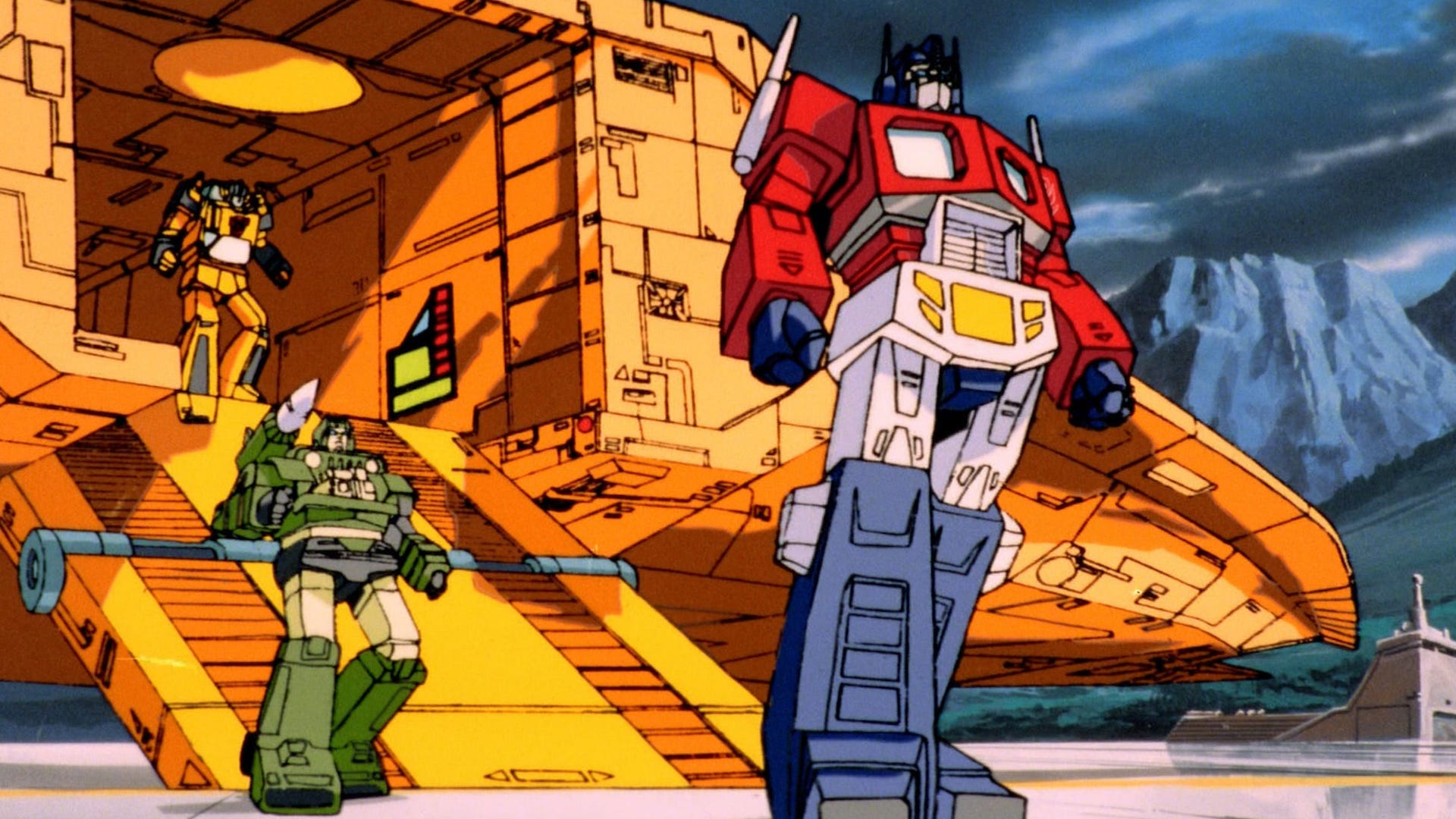
If you can have a bloodbath of sentient machines, this was it, as robots in disguise met their maker at an alarming rate. Ironhide? Dead. Ratchet? No more. Starscream? Pushing up mechanical daisies. Not even the iconic Optimus Prime was spared, as the noble leader of the Autobots met a brutal end at the hands of his nemesis, Decepticon leader Megatron.
This may seem like a recipe for traumatizing the film’s target audience — and for many of “Transformers: The Movie”‘s young viewers, it was a genuinely disturbing experience. But toy manufacturer Hasbro had ulterior motives for killing their darlings.
Like “Masters of the Universe” (and many other ’80s cartoons before and after), the popular “Transformers” TV show was a thinly veiled commercial for one of the hottest toylines on the planet. But, the theory went, the kids who’d been watching since the series debuted in 1984 would now be familiar/bored with the original line-up, and already have the relevant robots in disguise in their toyboxes. By instigating an on-screen cull, Hasbro believed they’d be able to make way for new characters, and keep their young fans coming back for more.
“They created the story using characters that could best be merchandised for the movie,” director Nelson Shin (who, in a previous life, had helped to animate the lightsabers in the original “Star Wars”) told SFX magazine in 2011. “Only with that consideration could I have freedom to change the storyline. What I tried to focus on was animation-izing the story. For example, when Optimus Prime died, I changed his color from red and blue into gray in order to show that the spirit was gone from his body.”
Although screenwriter Ron Friedman was sceptical — “I told Hasbro and their lieutenants they would have to bring him back, but they said no and had ‘great things planned’,” he recalled to Todd Matthy.com — many of the production team had little idea of the emotional carnage they were about to unleash.
“We didn’t know that [Optimus Prime] was an icon,” story consultant Flint Dille admitted in an interview on the “Transformers: The Movie” DVD. “It was a toy show. We just thought we were killing off the old product line to replace it with new products.
“Kids were crying in the theaters,” he continued. “We heard about people leaving the movie. We were getting a lot of nasty notes about it. There was some kid who locked himself in his bedroom for two weeks.”
Forty years on from its original release, a movie with such a high death count looks like a misguided brand extension for a popular Saturday morning cartoon — especially as the TV incarnation hadn’t killed anyone across its two seasons to date. But for all its flaws, “Transformers: The Movie”‘s storytelling was arguably bolder than any other Hollywood animation of the era.
It was also an impressive technical feat. Although the visuals are a visible step-up from the TV version, Shin (who’d been supervising producer on the cartoon from day one) and his team had to work to extremely tight deadlines to meet the film’s release date:
“Time constraints and the sheer amount of work needed were the two biggest challenges, since everything had to be hand-drawn by people!”
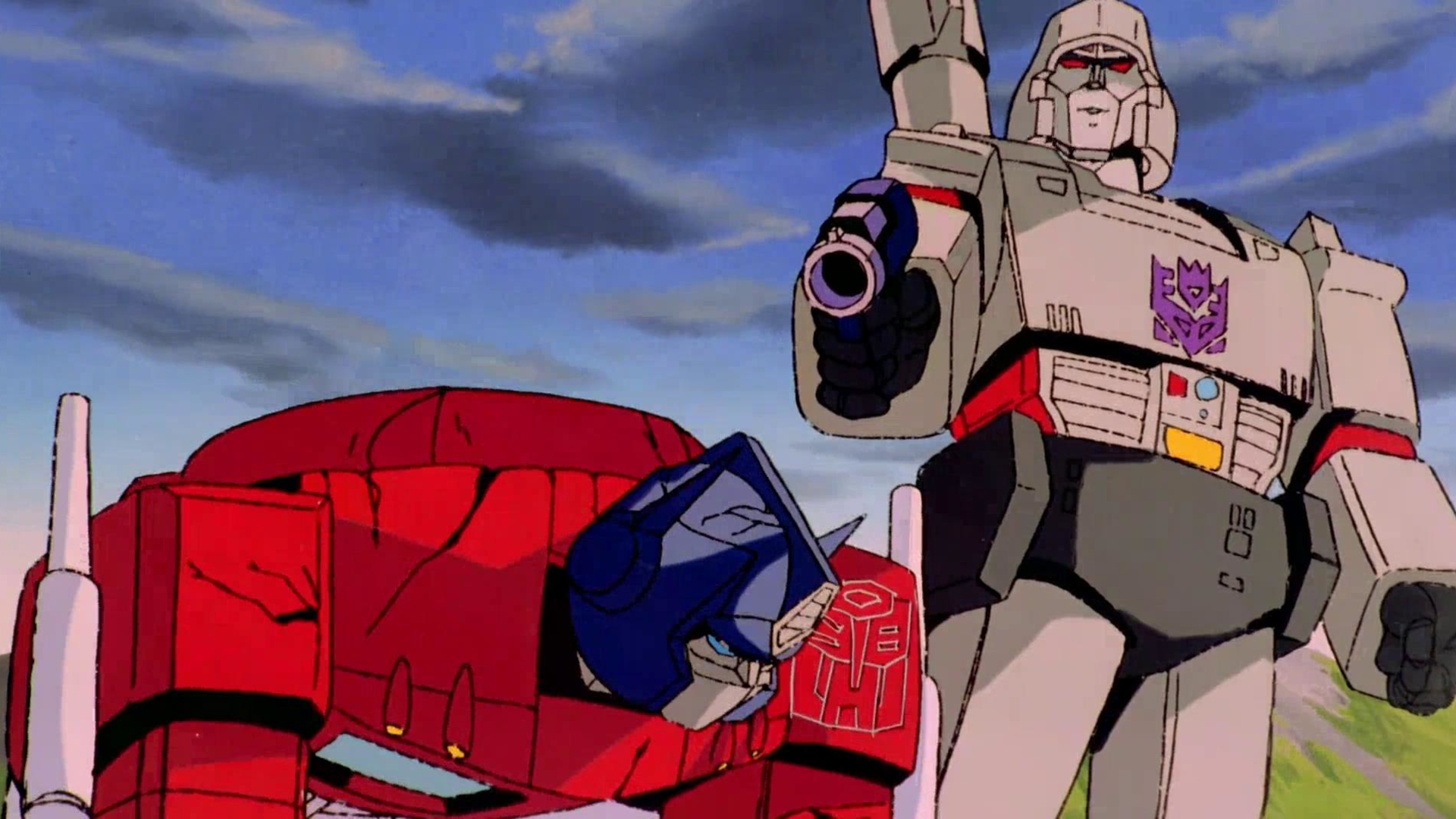
The film is set in 2005, some 20 years on from the original series. The Decepticons have taken control of the Transformer homeworld of Cybertron, while human Autobot chum Spike Witwicky (a kid in the TV show) is now grown up with a son of his own. When the villains attack the Autobots’ base on Earth, Optimus Prime is fatally wounded, with Megatron also at death’s door.
A moment where he pleads, “Don’t leave me, Soundwave!” to his loyal cassette player lieutenant is unintentionally hilarious, though still can’t compete with a later sequence in which the surviving Autobots dance for joy with some new allies — tonally this movie is all over the place.
Having been cast adrift by the duplicitous Starscream, Megatron runs into a planet-sized robot in disguise named Unicron, who has a similar world-chomping MO as Marvel’s Galactus. He wants to get his hands on the Autobots’ Matrix of Leadership (the only thing in the universe that can kill him), so he transforms a reluctant Megatron into the souped-up Galvatron, and sends him out to hunt for the McGuffin.
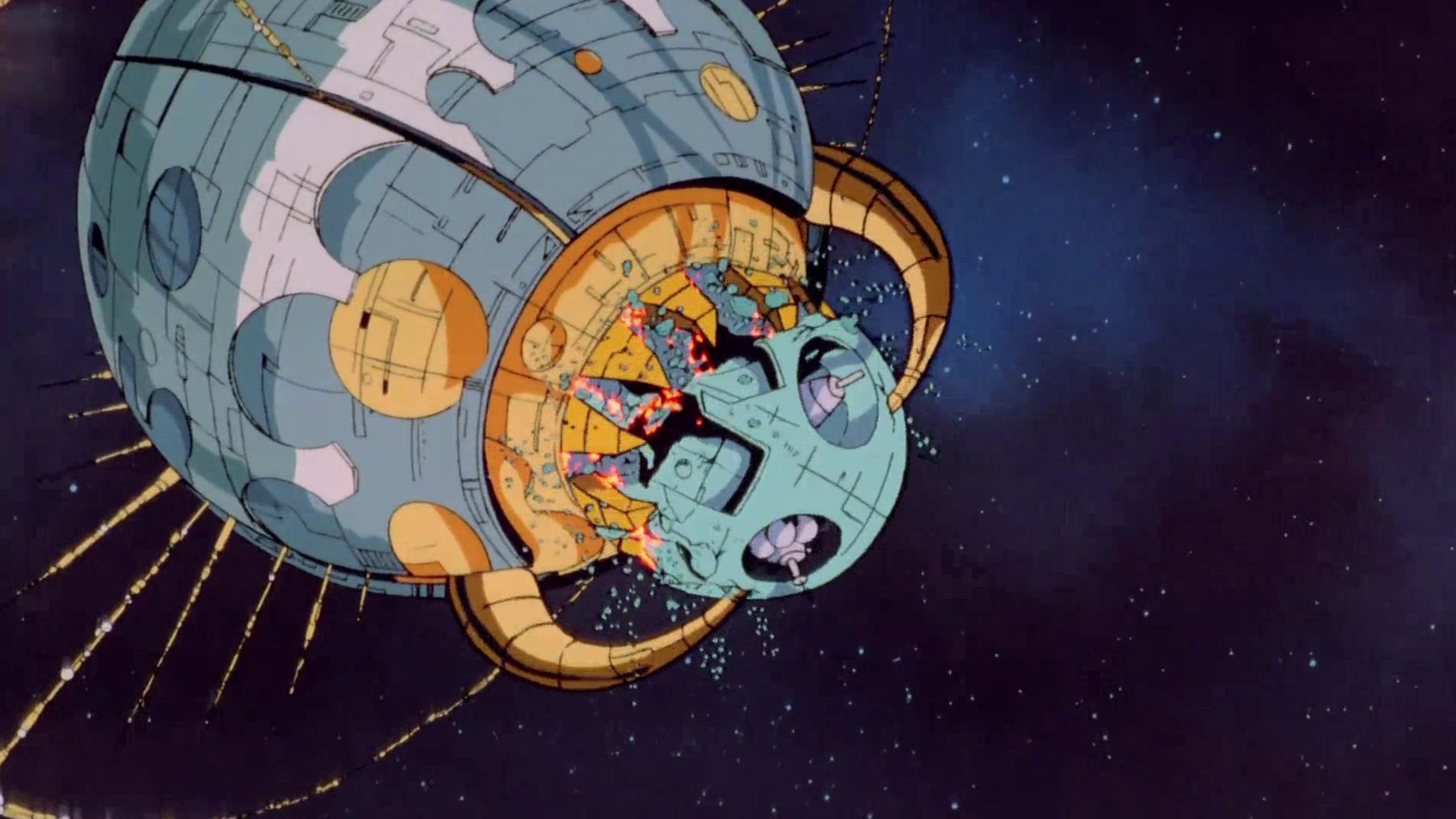
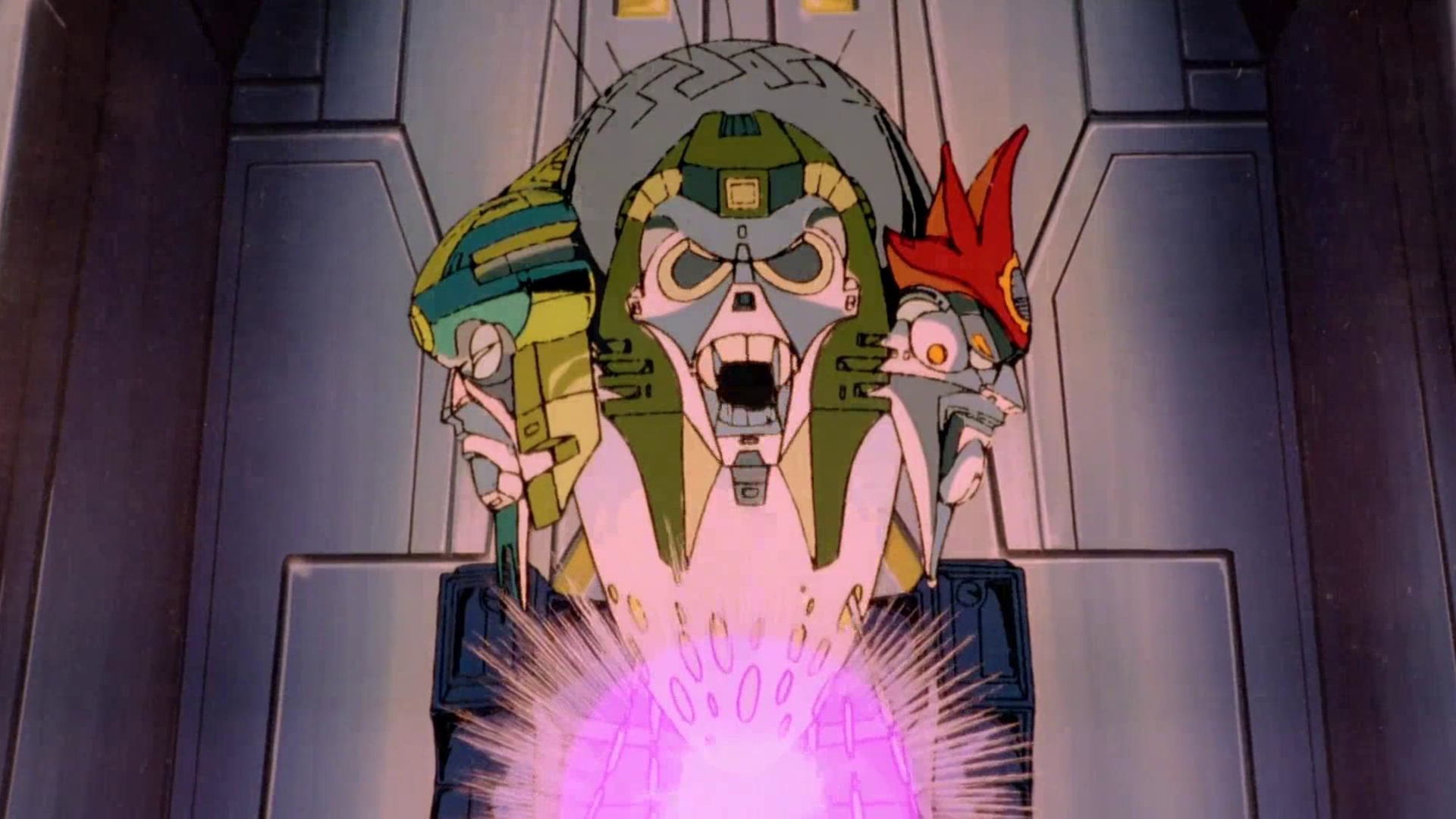
It makes for a madcap 85 minutes as two factions of mostly unfamiliar faces vie to come out on top. The story is mostly told via the medium of fast-paced laser battles, alongside encounters with the surprising number of robotic lifeforms who populate the galaxy. Among them are a five-faced being with a penchant for feeding its fellow machines to mechanical sharks, and some scrapyard dwellers whose conversation is based on snippets from TV ads.
The “Junkions”‘ leader, Wreck-Gar, is voiced by Monty Python’s Eric Idle, just one of the numerous star names whose presence would have meant little, if anything, to the film’s young audience back in 1986. Megatron’s Galvatron upgrade brought with it the dulcet tones of “Star Trek”‘s Leonard Nimoy, reckless Autobot up-and-comer Hot Rod was voiced by “The Breakfast Club”‘s Judd Nelson, and Robert Stack (whom readers of a certain vintage will recognize from “Airplane!”) was Optimus Prime’s ultra-serious number two, Ultra Magnus.
The biggest name of all was a bona fide Hollywood legend, as Orson Welles delivered his final performance as Unicron. Of the “Citizen Kane” auteur, Shin said, “He was co-operative and professional, and I liked working with him,” though Welles was apparently a little less convinced.
“You know what I did this morning?” he reportedly complained to a friend. “I played the voice of a toy… I menace somebody called something-or-other. Then I’m destroyed. My plan to destroy whoever-it-is is thwarted, and I tear myself apart on the screen.”
The filmmakers also spent more of their reported $6 million budget than they probably should have on a soundtrack powered by ’80s hair metal and power ballads — Stan Bush’s “The Touch”, originally written for Sylvester Stallone vehicle “Cobra”, went on to have a second life when the fictional Dirk Diggler “covered” the song in Paul Thomas Anderson’s “Boogie Nights”.
In hindsight, few of the creative decisions above were conducive to winning over a fanbase who’d have been happy with an extended episode of the TV show. “Transformers: The Movie” subsequently struggled to make back its budget at the box office, an also-ran in a packed summer that also included “Aliens“, “Flight of the Navigator” and “Short Circuit”.
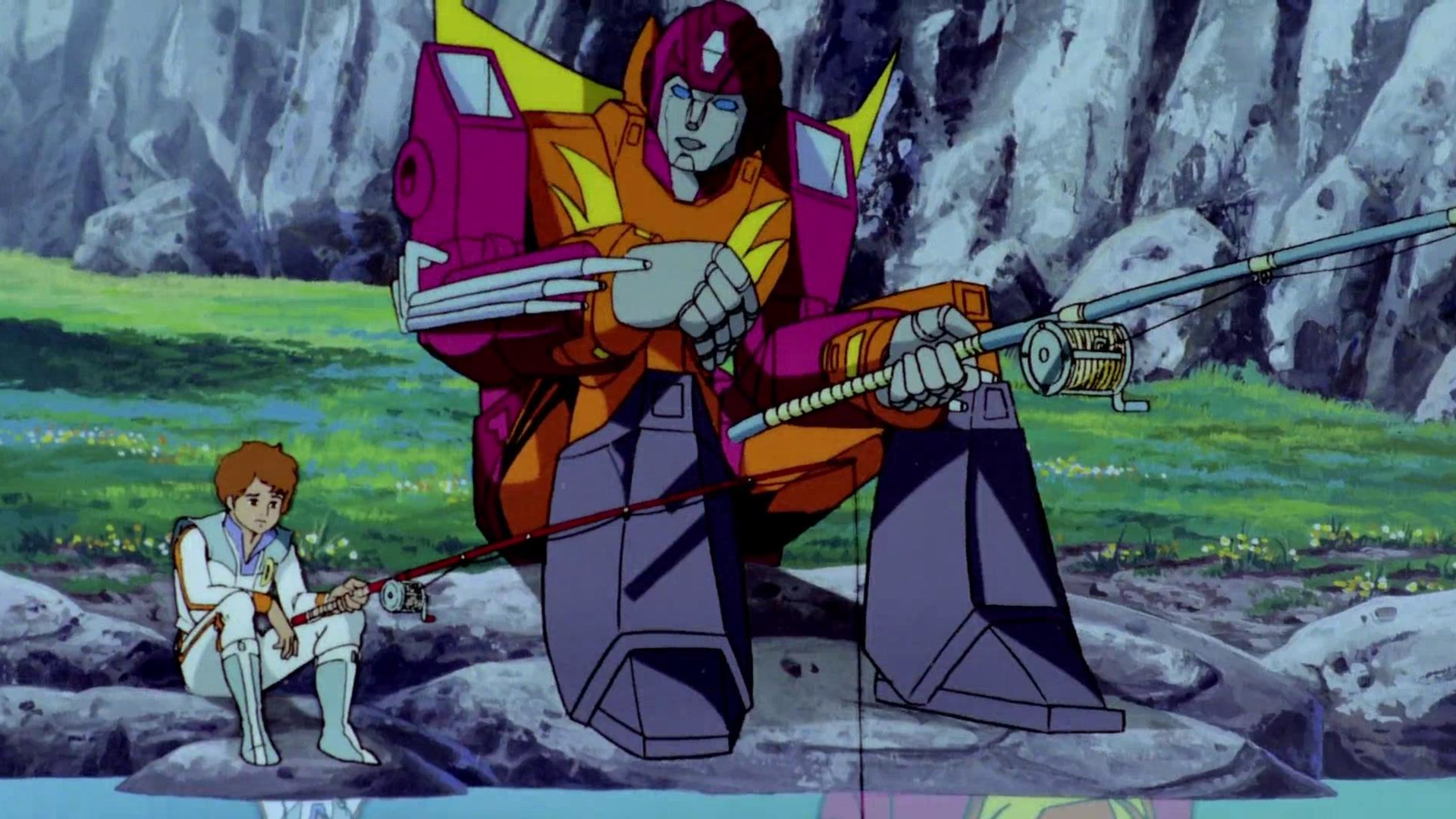
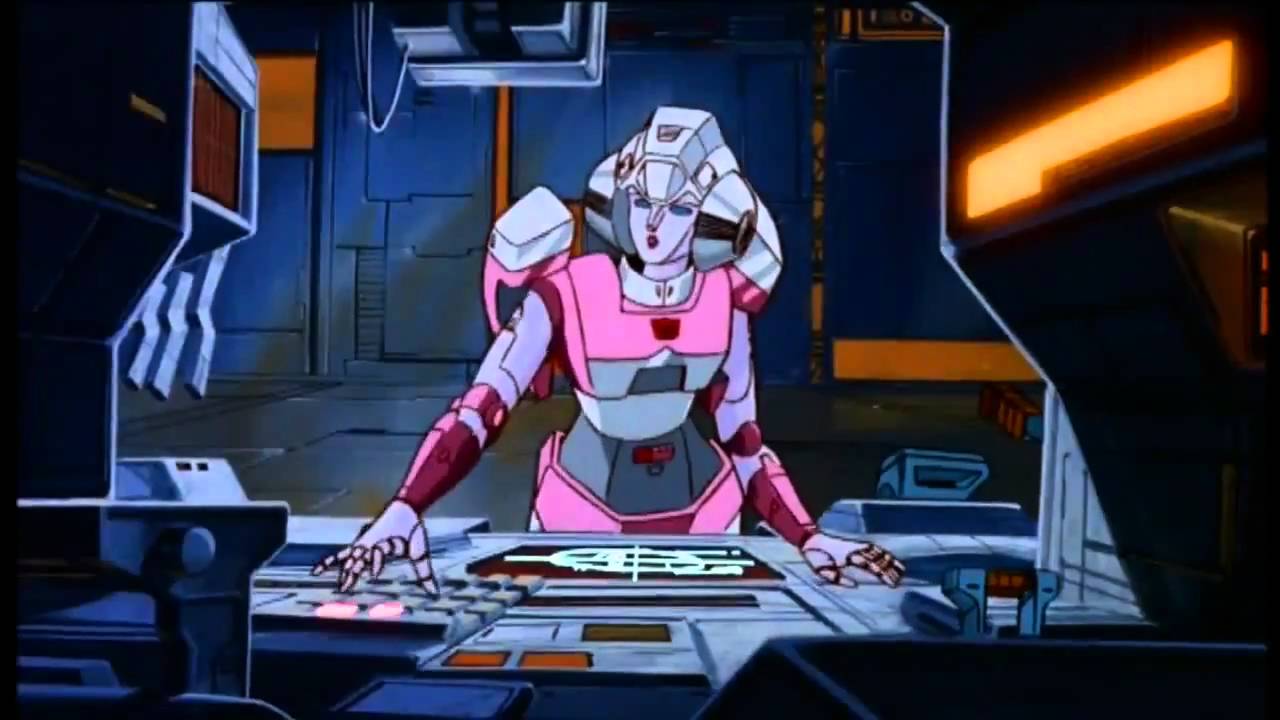
It’s since gone on to pick up a cult following, but still feels like one for completists — ask a casual fan to name a Transformer, and they’re going to say Optimus Prime, Bumblebee or Megatron ahead of movie debutants Kup, Arcee (belatedly the first female Autobot) or Rodimus Prime.
Perhaps inevitably, Optimus Prime didn’t stay dead for long, and made his inevitable comeback in the next season of the TV show. The good/bad thing about living in a modern pop culture universe is that death doesn’t have to be the end.
“Transformers: The Movie” returns to theaters with a 40th anniversary re-release on September 17. It’s also available to buy or rent on Amazon Prime Video.
Source: Space.com